


Rode Mic roundup
The Best Rode Mics for the Money
Not every recording job needs the same microphone. Here's how the best Rode mics sort by what you're recording and roughly what tier of spend that sits in.
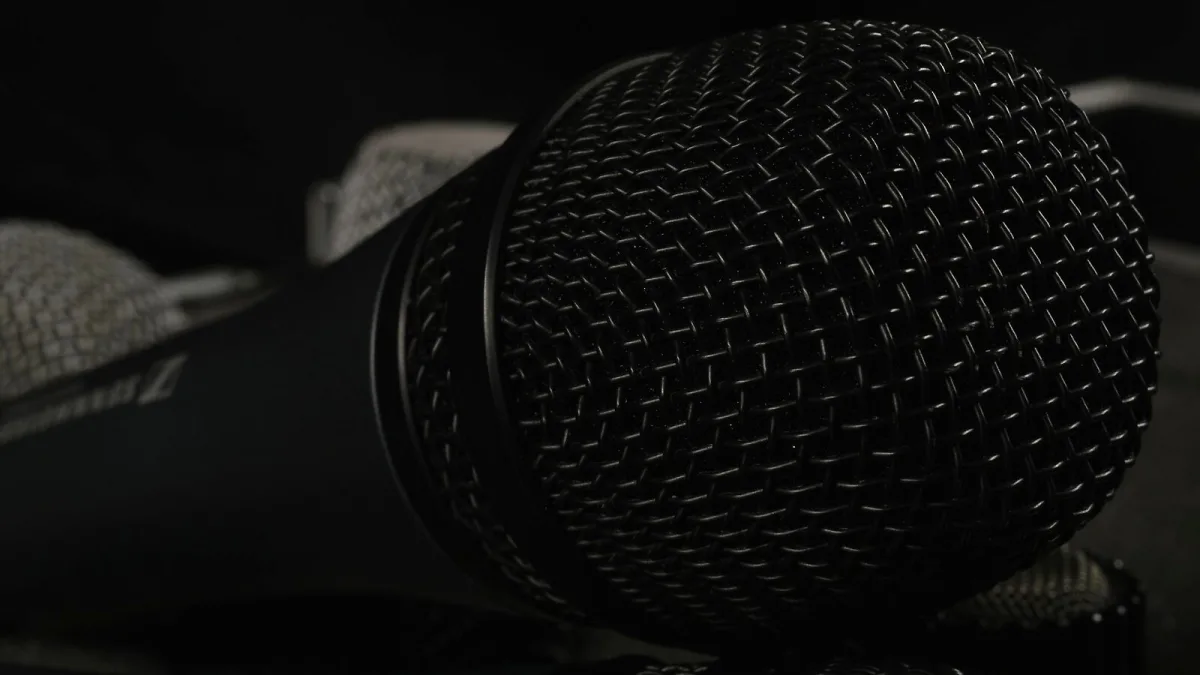
Not every recording job needs the same microphone, and not every budget stretches the same way. Rather than crown one overall "winner," this round-up sorts the best Rode mics by what you're actually trying to do and roughly what tier of spend that sits in. No invented test scores here — just an honest read on which model earns its keep for which job.
Best for Vocals and Acoustic Instruments: The NT1 Family
If your main job is capturing a singer, an acoustic guitar, or general studio sources, the NT1 line is where Rode puts its best work. The current NT1 Signature Series is a large-diaphragm cardioid condenser with roughly 4 dBA of self-noise and SPL handling up to around 142 dB — low enough noise for quiet passages, and enough headroom for a loud vocalist without distorting.
MusicRadar called the NT1 Signature "ultra-versatile as well as fantastic value for money," which lines up with how it's generally used: as a genuine all-rounder rather than a specialist. It comes supplied with a shock mount, pop filter, XLR cable and case, which keeps the total outlay honest — you're not buying accessories separately on top.
Best for a Hybrid Studio-and-Laptop Setup: NT1 5th Generation
If you want one microphone that works both through a traditional interface and plugged straight into a computer, the NT1 5th Generation is the pick among Rode mics. It keeps the familiar XLR output but adds USB connectivity, onboard digital conversion up to 192 kHz, and 32-bit float recording.
Wirecutter's testing placed it at or near the top for spoken word, vocal and music recording, with testers praising its clarity and detail. It sits a step up in price over the standard Signature Series, and that step only pays off if you'll genuinely use the USB side — if you already own an interface and never plan to record straight into a laptop, save the difference.
Best Budget-Friendly Entry Point: NT-USB+
For anyone who wants to start recording today without buying an interface, cables or stands to match, the NT-USB+ is the simplest of the Rode mics here. It's a USB condenser that plugs directly into a computer, includes a headphone output for zero-latency monitoring, and covers vocals, instruments, streaming, podcasting and voiceover reasonably well.
It won't match the NT1 family's ultimate detail on a critical vocal take, but for someone building their first setup, removing the interface from the equation removes a genuine barrier to just getting started.
Best for Speech and Podcasting: PodMic
The PodMic is a different animal entirely — a broadcast-oriented cardioid dynamic microphone, voiced and tuned for speech rather than music. It needs no phantom power, published frequency range of 50 Hz to 13 kHz, and MusicRadar described it as "a well-made, robust dynamic mic" best suited to spoken word, though usable on some instrument sources too.
Because it's less sensitive than a condenser, it tends to reject more room noise, which makes it a genuinely strong choice for anyone recording podcasts or voiceover in an untreated room. One practical note: its lower sensitivity means it often benefits from a preamp or inline gain booster if your interface doesn't supply much clean gain.
Best for Video, Interviews and Content on the Move: Wireless GO (Gen 3) and Wireless PRO
Neither of these is a studio microphone in the traditional sense, but for filmmaking, interviews, backstage content and live-session capture, they're the strongest of the Rode mics on offer. Both use Rode's Series IV 2.4 GHz digital transmission with 128-bit encryption and a quoted line-of-sight range of up to 260 metres.
| Model | Best suited to | Key strength |
|---|---|---|
| Wireless GO (Gen 3) | Compact, mobile content capture | 32-bit float onboard recording, small form factor |
| Wireless PRO | Filmmaking, location sound, interviews | More production-oriented feature set |
The Wireless PRO sits at a higher tier and suits people producing video content regularly; the Wireless GO (Gen 3) is the more accessible route into the same technology.
Choosing by Budget Tier
Rather than quote figures that date quickly, here's how the range generally sorts by spend:
- Entry tier: NT-USB+ — the lowest barrier to a genuinely usable recording.
- Mid tier: NT1 Signature Series, PodMic, Wireless GO (Gen 3) — the core of most home setups.
- Higher tier: NT1 5th Generation, Wireless PRO — extra flexibility and features for people who'll actually use them.
If you're not sure which category fits your situation yet, our buyer's guide walks through the deciding factors in more depth, and our full guide to the range covers every model's specification side by side.
Why There's No Single "Best"
Comparing a condenser against a broadcast dynamic against a wireless system on one scale doesn't really work — they're built to solve different problems. The genuinely useful question is which of these Rode mics matches your actual recording job and your existing setup, not which one wins an abstract contest. Buy for the job, not the hype.
The Bottom Line
For most home musicians, the NT1 Signature Series remains the sensible middle ground: low noise, high headroom and a fair price for what it does. Podcasters are better served by the PodMic, absolute beginners by the NT-USB+, and anyone shooting video by the Wireless GO or PRO. Once you've settled on one, it's worth a quick read of our guide to common Rode mic mistakes to avoid so it performs the way it's supposed to from day one.



Comments