


Roland Keyboard roundup
The Best Roland Keyboards for the Money
There's no single best Roland keyboard, only the best one for what you're about to do with it. Here's how the range splits by player and price.

"Best" only means something once you know who's asking. A parent buying a first keyboard, a wedding pianist replacing a tired stage rig, and a bedroom producer chasing analogue-style pads all need something completely different from Roland's catalogue — and all three can genuinely get the best Roland keyboard for their money without overspending. Here's how the range breaks down by who it actually suits.
Best for Beginners and Casual Players: GO:KEYS
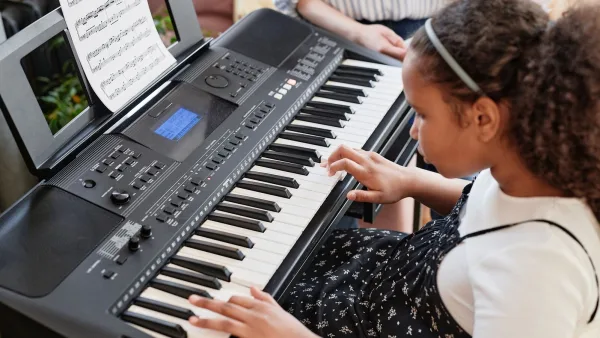
Roland's GO:KEYS 3 and GO:KEYS 5 are built specifically for people who want to make music without wading through a manual first. They're portable, battery-friendly in some setups, and come loaded with built-in sounds and auto-accompaniment that let a new player sound fuller than their skill level alone would suggest. Worth knowing before you buy: these aren't a substitute for a weighted digital piano if the goal is formal lessons — they're built for songwriting and general keyboard playing rather than reproducing acoustic piano touch. For a gentler explanation of the whole range, our beginner's guide to Roland keyboards is a good next stop.
Best for Home Piano Practice: FP, HP, LX and GP
Once weighted feel and realistic tone matter, Roland's home piano ranges take over.
| Range | Best for | What you're paying for |
|---|---|---|
| FP series | Compact practice and lessons | Portability, honest touch at a lower price |
| HP series | A permanent home instrument | Cabinet design, built-in speaker system |
| LX series | Serious home players | Premium action, richer speaker system |
| GP series | Players who want a grand-piano feel | Grand-style cabinet and presentation |
An FP model is often the smarter buy for a flat or a touring player, even if an LX or GP looks more impressive in a showroom — a keyboard that fits your space and travels well beats one that doesn't get played.
Best for Live Performance: The RD Series
Roland's RD stage pianos exist for one job: getting a gigging keyboardist through a set without fumbling for sounds. The RD-2000 EX sits at the top for professionals who need every zone, split and layer option instantly to hand. The RD-88 EX and RD-08 trim the weight and price while keeping the fast sound access that makes the RD line a long-standing favourite — Roland credits players including Elton John, Rick Wakeman and Ed Sheeran among those who've used the range over the years.
Best for Synthesis and Production: Jupiter-X, Juno-X, GAIA 2 and FANTOM
For players who want to shape sound rather than just select it, this is where the interesting decisions happen.
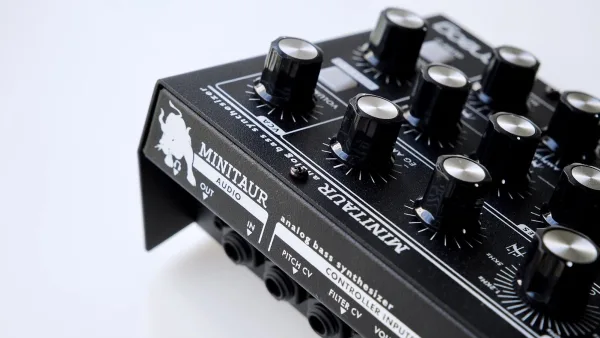
- GAIA 2 — the most direct, hands-on synthesizer interface, good value for players who want to learn synthesis by twisting knobs.
- Juno-X — built around the workflow and character of the classic Juno line, on Roland's modern ZEN-Core architecture.
- Jupiter-X — a broader performance synth with access to a wide pool of Roland-style analogue and digital sounds.
- FANTOM — the most complete option, combining multiple sound engines, sequencing and sampling for players who want one instrument to do everything in the studio.
The trade-off up this list is complexity: a FANTOM rewards the time you put into learning it, while a GAIA 2 gets a satisfying sound out of the box far faster.
Best for Studio Control: The A-Series
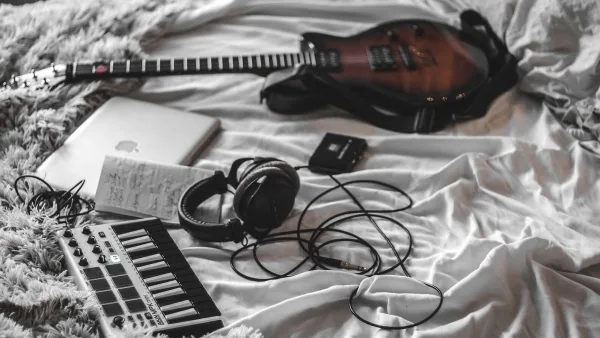
If your sounds already live inside a computer, an A-88 MIDI controller is the most cost-effective route into Roland's world — you're paying purely for key feel and control, with no onboard sound engine to fund. Just confirm your DAW and driver support before buying, since a controller lives or dies on how well it talks to your software.
Matching Price to Purpose
As a rough guide: GO:KEYS and compact FP models sit at the entry level; RD-08, mid-range FP and Juno-X occupy the middle; and the RD-2000 EX, FANTOM and LX or GP pianos sit at the professional end. Rather than chasing the biggest spec sheet your budget allows, it's worth reading our full Roland keyboard buyer's guide to check you're comparing the right features for how you actually play, and our list of common Roland keyboard mistakes before you check out.
A Quick Decision Checklist
- Buying for a total beginner or a child? Start with GO:KEYS.
- Need weighted keys for lessons or classical repertoire? Look at FP, HP, LX or GP.
- Gigging most weekends? The RD series is built for exactly that.
- Want to shape sound, not just select it? Try GAIA 2, Juno-X or Jupiter-X.
- Running everything through a laptop already? An A-series controller is the leanest option on this list.
The Bottom Line
There's no single best Roland keyboard, only the best one for what you're about to do with it. Match the family to your playing goal first — beginner, home pianist, gigging performer, or producer — and the individual model becomes a much easier choice.



Comments