


Roland Keyboard roundup
Roland Keyboard: A Complete Buyer's Guide
The range runs from pocket-friendly beginner keyboards to full production workstations. Here's how to work out which Roland actually fits you.
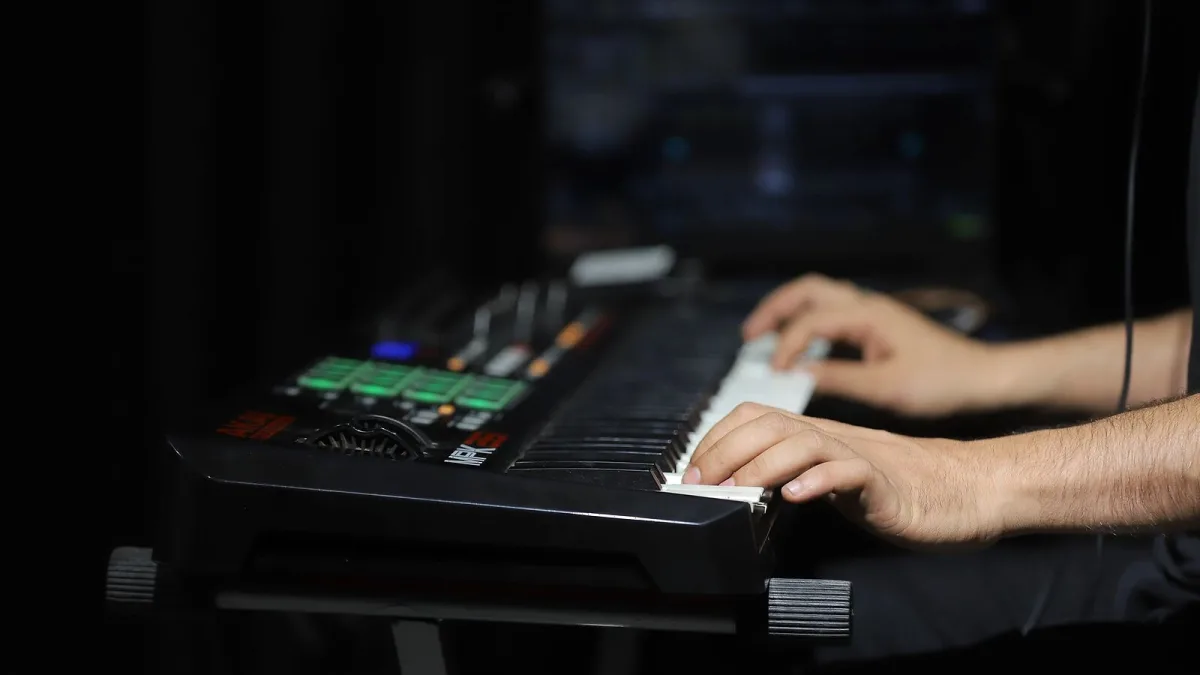
Buying a Roland keyboard is easy to get wrong if you shop by budget alone, because the range stretches from a pocket-friendly beginner model to a full production workstation, and they solve completely different problems. This guide walks through the questions worth answering before you spend a penny, so you end up with a keyboard that fits how you actually play rather than one that just looked impressive in the shop window.
Start With Your Playing Goal, Not the Model Name
Before comparing spec sheets, be honest about what you'll use the instrument for. Learning piano from scratch, gigging three nights a week, and producing tracks at home all point towards very different Roland ranges. Roland itself splits its keyboards roughly this way: FP, HP, LX and GP models for home piano playing; the RD series for stage performance; FANTOM for production and sequencing; Jupiter-X, Juno-X and GAIA 2 for hands-on synthesis; GO:KEYS for casual, beginner-friendly music-making; and the A-series for controlling software instruments with no onboard sounds. Our overview of Roland's keyboard ranges covers each family in more depth if you want the full picture first.
Key Action: The Single Biggest Decision
The way the keys feel under your fingers matters more than almost any other spec on a Roland keyboard, and Roland uses three broad action types.
| Action type | Feel | Best suited to |
|---|---|---|
| Synth action | Light, springy, fast to repeat notes | Synthesizer and production work |
| Semi-weighted | A middle ground with some resistance | Organ, electric piano and general playing |
| Weighted hammer action | Heavier, mimics an acoustic piano | Classical and pop piano repertoire |
If piano lessons are the main reason for buying, a weighted action isn't a nice-to-have — it's what builds the finger strength and touch control a real piano demands. If you're mainly programming beats or playing synth lines, a lighter action will simply feel more natural.
Sound Engine and Technology
Every Roland keyboard generates sound in one of three main ways, and it's worth knowing which your shortlist uses:
- Sample-based sounds are recordings of real instruments, layered by how hard you play.
- Modelling, as used in Roland's V-Piano technology, calculates the tone in real time rather than replaying a fixed sample.
- ZEN-Core is Roland's shared architecture across several modern synths and workstations, giving instruments like the Jupiter-X and Juno-X access to a common pool of tones — though the exact sounds and controls still differ by model.
Neither approach is automatically "better"; a well-implemented sample library can sound superb, and a modelling engine's advantage is more about flexibility and real-time expression than raw fidelity.
Connectivity and Everyday Extras
A few practical details are easy to overlook in a shop but matter enormously once the keyboard is home:
- Speakers — home pianos in the HP, LX and GP ranges usually include them; stage pianos and controllers generally don't, so you'll need an amp or headphones.
- Pedal input — check whether a proper sustain pedal is included, and whether the jack supports half-pedalling for expressive playing.
- Bluetooth audio and MIDI — handy for practising along with backing tracks or connecting to an app without trailing cables.
- USB-MIDI — essential if you plan to control software instruments on a computer or tablet.
- Polyphony — the number of notes the instrument can sound at once; sustain pedal use and layered sounds eat into this quickly, so more headroom is rarely wasted.
Budget Tiers, Realistically
Entry-level GO:KEYS and compact FP models sit at the affordable end and suit beginners and casual players well. Mid-range FP, RD-08 and Juno-X instruments step up in build quality, sound depth and connectivity for serious hobbyists and gigging musicians. At the top, the RD-2000 EX, FANTOM workstations and LX or GP home pianos are aimed at professionals who need every feature and the best possible touch and tone. For a model-by-model shortlist at each of these levels, see our guide to the best Roland keyboards for the money.
Questions to Ask Before You Buy
A little homework before you buy a Roland keyboard avoids most regrets:
- Will this live at home, travel to gigs, or both? Weight and case options matter more than they seem to at first.
- Do you need built-in speakers, or will it always run through an amp, PA or headphones?
- Are you buying for lessons that require a properly weighted action, or for production where a lighter touch suits faster passages?
- Does the included software bundle (if any) genuinely match what you plan to do with the instrument?
If you're buying a first keyboard for someone just starting out, our beginner's guide to Roland keyboards covers the gentler end of the range in more detail, and it's worth reading our list of common Roland keyboard mistakes to avoid before you commit.
The Bottom Line
The right Roland keyboard is the one that matches your playing goal, not the one with the longest feature list. Settle the key action and sound engine first, check the connectivity you'll actually use, then let budget narrow the final shortlist — apply that order to any Roland keyboard on your list and you'll rarely end up disappointed.



Comments