


Roland Keyboard article
Roland Keyboard for Beginners: A Complete Guide
Choosing a first Roland keyboard shouldn't feel intimidating. Here's a calm, practical guide for absolute beginners, written like a good first lesson.
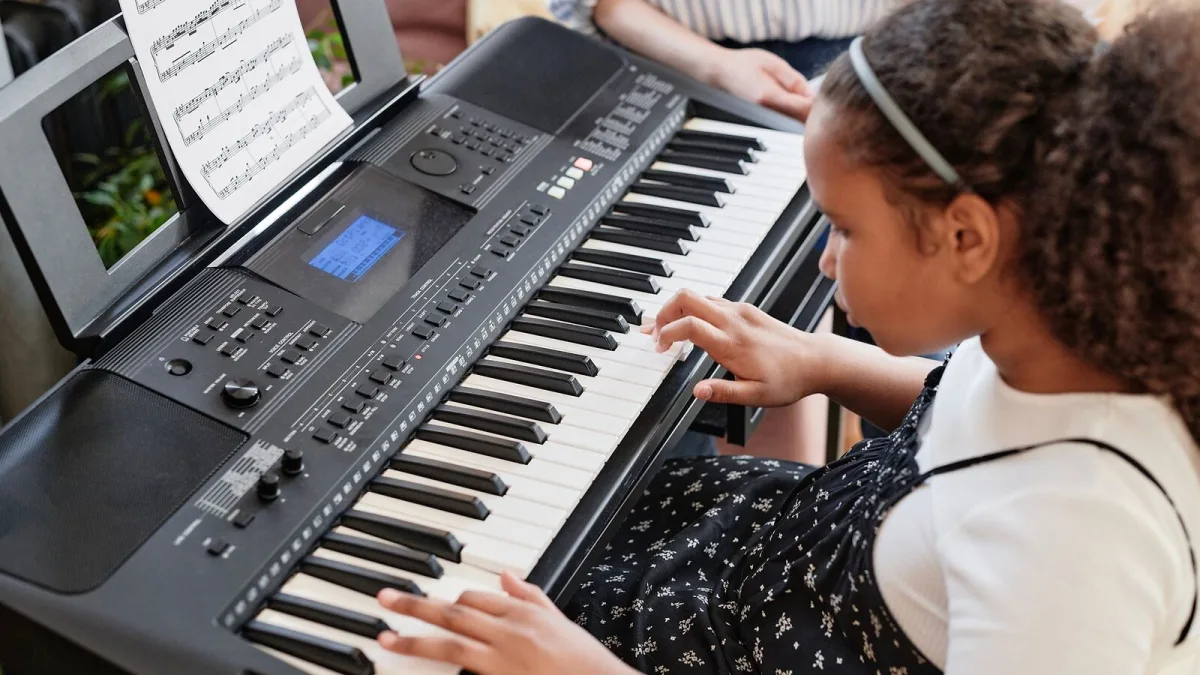
Standing in front of a wall of Roland keyboard models for the first time can feel like being handed a menu in a language you don't speak yet. Take a breath — you don't need to understand every model to make a sensible choice. This guide is written for exactly that first-timer moment: what the names actually mean, which model suits a genuine beginner, and how to settle into playing without feeling out of your depth.
Why Roland Is a Sensible Place to Start
Roland has been building keyboards since the early 1970s, so a beginner instrument from this maker inherits decades of work on how a keyboard should feel and respond under untrained fingers. That matters more than it sounds: an instrument that responds predictably to a light or heavy touch is easier to learn on than one that behaves unpredictably. You won't need most of what a professional model offers on day one, and that's completely fine — nobody expects a first bicycle to be a racing bike.
Which Roland Model Actually Suits a Beginner
Two ranges cover almost every beginner's needs, and they solve slightly different problems.
| Range | Good for | Keep in mind |
|---|---|---|
| GO:KEYS (3 or 5) | Casual playing, songwriting, having fun straight away | Built-in sounds and accompaniment make you sound fuller than you are — enjoy that, but don't mistake it for a weighted piano |
| FP series | Formal lessons, classical or grade exam study | A genuinely weighted action, closer to an acoustic piano touch |
If you or your child are starting proper lessons with a teacher, lean towards an FP model — the weighted keys build the finger strength that exam pieces eventually demand. If the goal is simply to enjoy making music without formal study, a GO:KEYS instrument removes a lot of early frustration.
Getting Comfortable With Touch and Sound
Every Roland keyboard responds to how hard you press a key — press gently for a quiet note, firmly for a louder one. This is called touch sensitivity, and it's worth practising deliberately in your first week, because it's the single skill that will most affect how musical you sound later. Try playing the same simple five-note pattern three times: once very softly, once at a comfortable volume, and once firmly. Notice how differently each one feels and sounds.
Don't feel you need to explore every onboard sound in your first sitting. Pick one honest piano tone and stay with it while you're learning notes and rhythm — switching sounds constantly is a pleasant distraction, but it slows down the more important work of training your hands.
A Gentle First Few Weeks
- Sit properly. Bench height should let your forearms sit roughly level with the keys — slouching or reaching upward tires your hands quickly.
- Learn hand position before speed. A relaxed, slightly curved hand will serve you far better long-term than fast but tense playing.
- Use headphones without guilt. Most Roland keyboards have a headphone socket specifically so you can practise at any hour without an audience.
- Keep early sessions short. Fifteen focused minutes most days beats one exhausting hour at the weekend.
- Record yourself occasionally. It's a kind, honest way to notice progress you can't hear in the moment.
Common Early Worries, Answered
"Am I pressing too hard?" — probably not; it takes real deliberate effort to damage a modern Roland keyboard through normal playing. "Do I need to understand MIDI or connectivity yet?" — no, that becomes useful much later if you start recording or using apps. "Should I have bought a more advanced Roland keyboard?" — almost never; an appropriately simple instrument that gets played beats an impressive one that gathers dust.
When You're Ready to Learn More
Once the basics feel comfortable, it's worth understanding the wider range so your next upgrade, if you ever want one, is an informed choice rather than a guess. Our overview of Roland's keyboard ranges explains how the FP, RD, Jupiter and FANTOM families differ, and our complete buyer's guide is there for when you're ready to compare specifications properly. If you'd rather see recommendations laid out by budget and purpose straight away, our round-up of the best Roland keyboards for the money does exactly that.
The Bottom Line
A beginner doesn't need the most capable Roland keyboard available — just one that matches their actual starting point and gets played regularly. Choose sensibly, sit comfortably, practise little and often, and the rest of the range will still be waiting whenever you're ready to explore it.



Comments