


Nord Keyboard article
Nord Keyboard for Beginners: A Complete Guide
That many buttons on a distinctive red case can feel daunting on day one — here's a gentle, step-by-step way into your first Nord keyboard.

A new keyboard with this many buttons and a distinctive red case can feel a bit intimidating on day one, especially if it's your first "proper" instrument. Take a breath. We'll go through it gently, one piece at a time, the same way I'd introduce any new instrument to a family in my teaching room.
What Your Nord Keyboard Actually Does
Underneath the red casing, it's built to give you fast access to piano, organ and often synth sounds without digging through menus. That's genuinely the whole design philosophy: important controls live on the front panel where you can reach them while you're playing, not buried three menus deep.
A Few Nord Keyboard Words You'll See a Lot
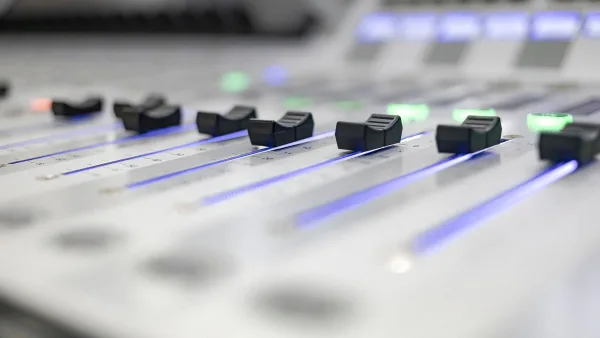
- Drawbars — the sliders used for organ sounds, based on how a real Hammond-style organ builds its tone. Push and pull them to shape the sound.
- Layers — combining two sounds together, like piano and strings, so both play when you press a key.
- Waterfall keys — keys with rounded front edges, common on organ-focused models, that make sliding your hand across them smoother.
- The library — the collection of downloadable sounds you manage through separate software, rather than everything being built in from the factory.
Your First Session With a Nord Keyboard
Start with one sound. Just one. Pick the piano setting, play some simple chords, and get comfortable with how the keys respond before you touch anything else. Once that feels natural, try the organ sounds and notice how differently the drawbars change the tone compared to simply turning a volume knob. There's no prize for exploring everything on day one.
Don't Panic About the Library System
New owners sometimes worry that managing sound libraries sounds technical and daunting. It really isn't — it's closer to organising files on a computer than programming anything. You'll install the management software, connect your instrument, and add or swap sounds as you need them. Take it slowly, and it becomes second nature within a few sessions.
Common Beginner Worries, Sorted
| What you're noticing | What's actually going on |
|---|---|
| Too many knobs and buttons to take in | Completely normal — learn one section (say, piano) properly before moving to the next |
| The organ sound doesn't sound "right" yet | Drawbar settings take practice — small adjustments make a big difference, so experiment slowly |
| Not sure how to add new sounds | The library software walks you through this step by step — it's genuinely more straightforward than it looks |
| Worried about damaging settings | Most instruments let you recall factory settings easily, so experimenting is safe |
Building Confidence From Here
Once piano and organ sounds feel familiar, start exploring layering two sounds together, then look at the effects section to shape your tone further. Every keyboardist who now performs confidently started exactly where you are, working through one section at a time. If you'd like the fuller picture of how the different models compare, our overview guide is a great next read.
The Bottom Line
You don't need to understand every control on a Nord keyboard to get real enjoyment from it. Learn one sound at a time, be patient with the library system, and let your confidence build session by session. That's genuinely all it takes to get started well.



Comments