


Nord Keyboard roundup
Nord Keyboard: A Complete Buyer's Guide
Five families, several keybed types, real money on the table — here's how to choose a Nord keyboard sensibly, starting from how you actually play.
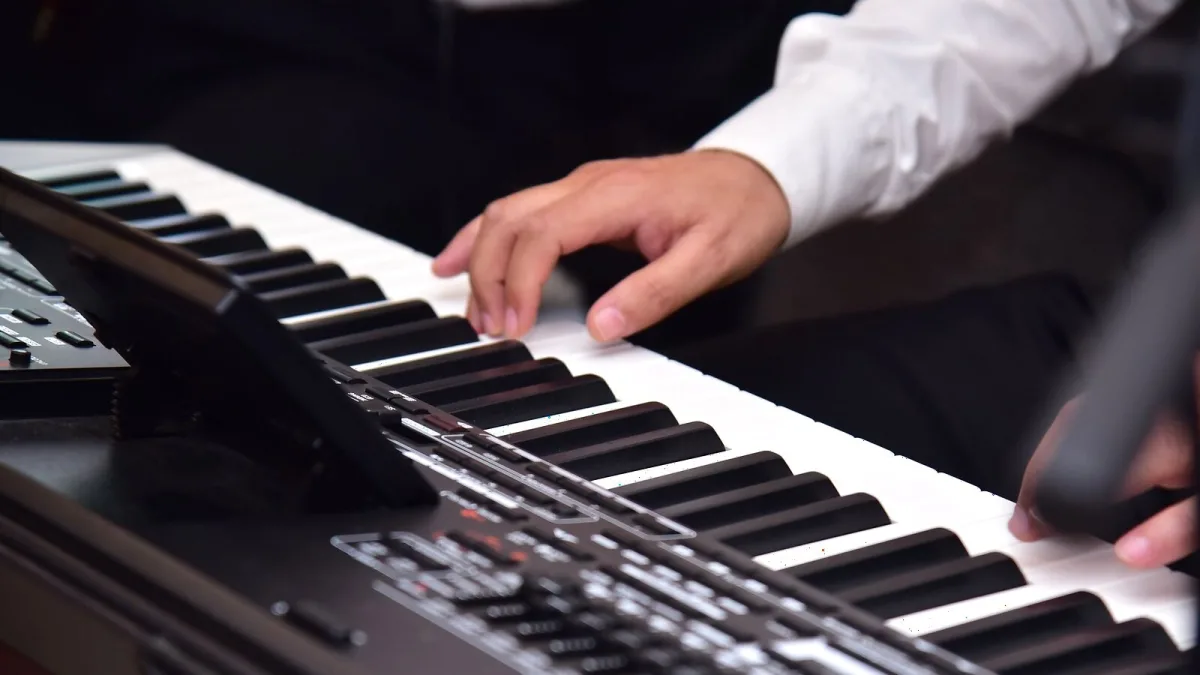
Let's take this slowly and sensibly, the way I'd talk any student through a big purchase. Choosing a Nord keyboard means weighing five families, several keybed types, and a fair amount of money on the table — getting this decision right starts with being honest about what you actually play, not what looks most impressive on stage.
Start From Your Playing, Not the Spec Sheet
| You mostly play… | Look at… |
|---|---|
| A bit of everything live — piano, organ, synth | The Stage family, the broadest all-in-one option |
| Piano first and foremost | The Piano family, with its weighted action and piano-focused engine |
| Organ, with piano as a strong second | The Electro family, compact and drawbar-equipped |
| Synth textures and layering | The Wave family's four-part synthesis engine |
| Hands-on sound design | The Lead family's direct analog-modelling controls |
Be honest with yourself here. Buying the broadest, most expensive option "just in case" often means paying for organ depth or synth flexibility you'll rarely touch.
Get the Key Action on Your Nord Keyboard Right First
This matters more than almost anything else on the spec sheet, because it's the one thing you can't change afterwards. Waterfall keys suit organ playing and quick glissandi but feel unusual for serious piano work. Hammer action feels more like an acoustic piano but is less suited to fast organ slides. Semi-weighted sits in the middle, a sensible compromise if you genuinely play across styles. Try before you buy wherever you possibly can — this is the one spec that photographs and demo videos simply can't tell you.
Questions Worth Asking Before You Commit to a Nord Keyboard
- Does it have physical drawbars? If organ playing matters to you, real drawbars beat menu-based emulations for speed and feel.
- Are effects applied per section? Independent effects for piano, organ and synth layers give you far more live flexibility than one shared effects block.
- What pedal support is included? Sustain, expression and rotary-control pedal assignment all matter differently depending on your playing style.
- How will you manage the sound library? Nord's library-based system is a strength, but it does mean budgeting time to load and organise sounds rather than expecting everything pre-installed.
A Word on Pricing
Launch prices for current flagship models have run into several thousand pounds or dollars depending on the specific keybed and region, and pricing varies noticeably between markets, so treat any figure you see online as a starting point rather than a fixed number. Check current pricing from an authorised dealer in your own region before you commit.
The Verdict on Buying a Nord Keyboard
Buy based on what you actually play week to week, get the key action right through an in-person try-out if at all possible, and check the effects and pedal support match your live setup. Do that, and you'll end up with an instrument that earns its keep rather than one that impresses in the shop and gathers dust at home. For the fuller picture of what each family actually offers, our overview guide is worth reading first, and our value comparison lines the tiers up side by side.



Comments