


Behringer article
Common Behringer Mistakes to Avoid
Nearly every Behringer owner hits the same handful of avoidable mistakes. Here's what actually trips people up, and the quick fix for each.
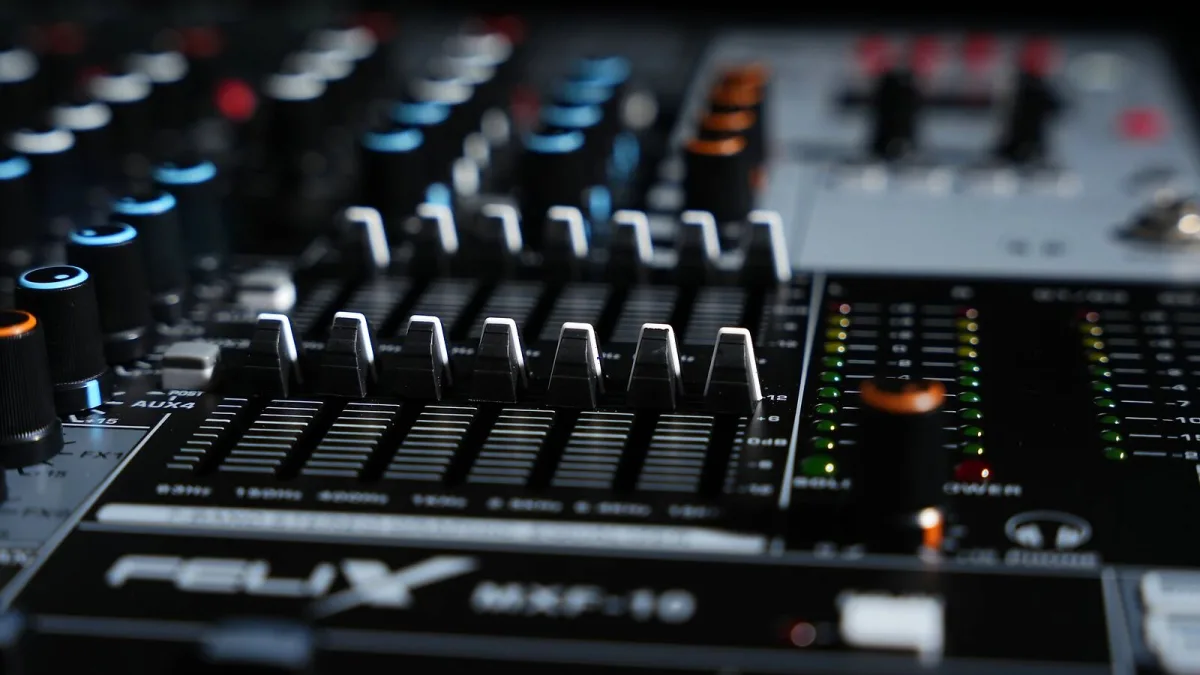
I've taught enough students who own a Behringer synth or mixer to notice the same handful of habits catching people again and again. None of them mean you've bought the wrong thing — they're just easy traps at this price point, precisely because the gear invites you to dive in headfirst. Here's what to watch for.
Assuming "clone" means "identical"
A Behringer synth that echoes a famous vintage design isn't automatically a perfect technical match for the original. Component tolerances, calibration, tuning stability and build quality can genuinely differ, even when the circuit concept is similar. This isn't a criticism — it's just a reason to judge each instrument on its own merits, listening for yourself, rather than assuming a shared name or resemblance guarantees identical behaviour.
Trusting a Behringer "coming soon" list as a shipped product
Specialist gear sites love publishing big roundups of everything a manufacturer has announced or teased, and Behringer generates plenty of that excitement. But an announcement, a preorder and general availability are three separate stages, and specifications can shift between them. Buying enthusiasm for a product that hasn't actually reached reviewers yet is a common way to end up disappointed.
Ignoring firmware before you calibrate anything
Updating firmware without first confirming your exact hardware revision, or interrupting power mid-update, can leave an instrument in a genuinely awkward state. Always back up presets and calibration data first, check the revision carefully, and never update on a whim right before an important session.
Getting voice allocation wrong on polyphonic Behringer synths
An eight-voice polyphonic instrument doesn't always give you eight independent voices in every mode. Unison and split modes can eat into your available voices faster than the headline spec suggests. If chords are cutting out unexpectedly, check which voice mode you're actually in before assuming something's broken.
Believing "USB" always means multitrack recording
Some interfaces and mixers marketed simply as "USB" only provide a stereo return to your computer rather than full multitrack input. If you need every channel recorded separately, check the actual USB channel specification rather than assuming the label covers it.
Skipping gain staging entirely
Whether it's a mixer channel or a synth's output level, driving everything as hot as possible "to be loud" causes distortion and eats into your available headroom. Set gain sensibly at the source, and let any real loudness happen later in your mix, not at the very first stage of the signal chain.
Powering Eurorack modules carelessly
If you've moved into modular gear, running a case at its absolute rated current capacity with no safety margin is asking for trouble. Calculate total current draw properly before adding another module, and leave genuine headroom in your power budget.
Common mistakes at a glance
| Mistake | Quick fix |
|---|---|
| Assuming a clone is identical to the original | Judge each instrument on its own merits and reviews |
| Buying from "coming soon" hype | Wait for confirmed availability and independent reviews |
| Updating firmware carelessly | Confirm hardware revision and back up presets first |
| Misjudging polyphonic voice counts | Check the active voice mode before assuming a fault |
| Trusting "USB" without checking channels | Confirm the real multitrack channel specification |
If several of these feel unfamiliar because you're still finding your feet, our beginner's guide is a friendlier starting point, and our complete guide covers the full workflow these habits sit within.
The bottom line
Every mistake here is fixable the moment you spot it, and none of them reflect badly on you as a musician. Judge each Behringer product on its own specifics rather than assumptions, treat brand-new announcements with patience, mind your firmware and gain staging, and you'll get far more enjoyment out of the gear you've already bought.





Comments