


Behringer article
Behringer for Beginners: A Complete Guide
Starting out with Behringer doesn't mean compromise. Here's a calm, encouraging way in, from your very first knob turn onwards.
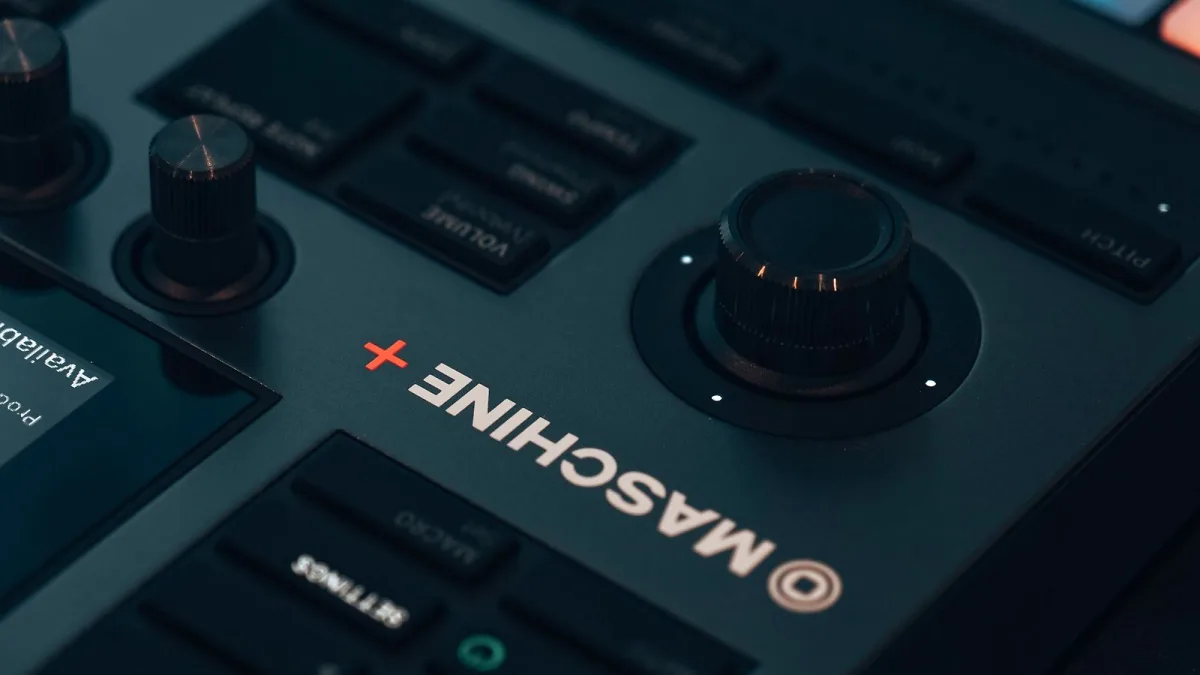
Starting out with your very first synthesizer or mixer can feel like a lot, and if the name on the box is Behringer, you might be wondering whether "cheap" means "compromise." It doesn't have to. This is a genuinely sensible place for a beginner to start, and this guide is here to help you choose calmly and get going without overwhelm.
Why beginners often end up with Behringer
Learning any instrument or piece of gear involves spending money before you're sure it's really for you, and that's exactly the gap Behringer fills. You can try a real analog synth, a proper digital mixer, or a home-recording interface without the financial risk that used to come with entering this world. Nobody will think less of you for starting on affordable gear — most working musicians did too.
What to pick for your very first Behringer instrument
If you're drawn to synths, start simple:
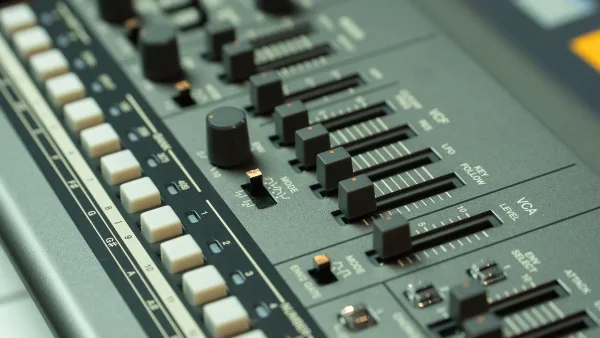
- A monophonic synth (like the Model D or MS-1) is the gentlest entry point — one note at a time means you can focus entirely on learning how filters, envelopes and oscillators actually shape a sound.
- Avoid semi-modular or Eurorack gear at first, however tempting the patch cables look. Patching is a rewarding skill, but it's a second step, not a first one.
- If chords matter more to you than leads, a simple polyphonic option will suit you better than forcing yourself to love a bassline synth.
Getting comfortable with the basics
A few concepts will keep coming up, so it helps to meet them early:
- Oscillator (VCO) — the part generating the raw sound before anything shapes it.
- Filter — shapes the tone, usually by cutting or emphasising certain frequencies.
- Envelope — controls how a sound changes over time, from the moment you press a key to the moment it fades.
- MIDI — the language instruments use to talk to each other and to your computer.
None of this needs to click immediately. Spend twenty minutes turning one knob at a time and listening — that's genuinely how most people learn synthesis, not by reading a manual cover to cover.
A gentle first session
Here's a calm way to spend your first sitting with a new synth:
- Set every knob to a neutral, simple starting position before you begin exploring.
- Play a single sustained note and slowly turn the filter cutoff knob, listening to how the tone changes.
- Try the envelope controls next, noticing how attack and release change the shape of the sound.
- Save nothing yet — just get familiar with cause and effect for ten or fifteen minutes.
- Once it feels intuitive, connect it to your computer or a small speaker and try playing an actual short phrase.
If you're starting with a Behringer mixer instead
Some beginners come to Behringer through a mixer rather than a synth, especially if you're recording a choir, a small band or a home podcast. Start with the fewest channels that cover your real inputs, learn gain staging before anything else — setting each channel so peaks sit comfortably below the red — and resist the urge to touch every EQ and effect at once. A clean, simple mix always beats a cluttered one while you're learning.
Mistakes that are completely normal early on
You will almost certainly leave a filter too closed and wonder why nothing sounds bright, forget to save a sound you loved, or plug something into the wrong input at least once. These aren't signs you're bad at this — they're just what learning looks like. For a fuller list of the errors people make even after the beginner stage, our common mistakes guide is worth reading once the basics feel steady.
When you're ready to go further
Once you're comfortable, it's worth understanding the wider range on offer — from semi-modular synths to the X32 mixing platform — so you know what a genuine next step looks like rather than guessing. Our complete guide lays out the full picture without assuming prior knowledge, and when you're ready to spend a little more, our buyer's guide will help you choose wisely rather than by guesswork.
A word of encouragement
Every musician who now plays their Behringer confidently once sat exactly where you are, unsure which knob did what. Be patient with yourself, keep sessions short and enjoyable, and trust that the fumbling stage passes far faster than it feels like it will.




Comments