


Chamber Pop roundup
The Best Chamber Pop Artists to Know
A handful of artists define the chamber pop canon. Here are the names that matter most, what makes each distinctive, and where to start with their work.
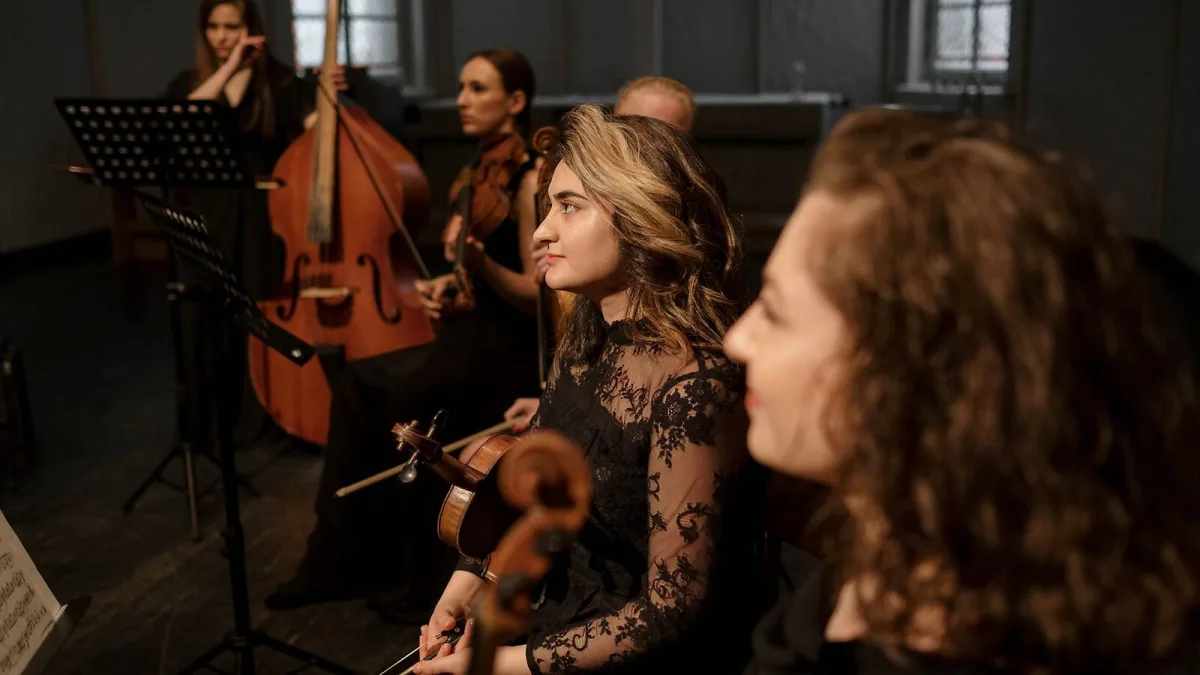
Any serious exploration of orchestrally inclined indie music begins with the same handful of names. These artists did not just work in the genre — they helped invent the vocabulary, establish the aesthetic, and define what the genre could mean. Sarah has spent years immersed in indie and alternative music and offers this guide to the artists that genuinely matter.
Belle and Sebastian
The Glasgow band, fronted by Stuart Murdoch, are responsible for some of the most beloved indie albums of the past thirty years. If You're Feeling Sinister (1996) and The Boy with the Arab Strap (1998) blend literary lyrics with arrangements built around cello, flute, trumpet and piano. Their influence on the broader scene of orchestral indie pop has been enormous — virtually every subsequent act in the space owes them something.
Sufjan Stevens
The Michigan-born songwriter and composer has produced some of the most ambitious records of the twenty-first century. Illinois (2005), his second state album, deploys full orchestral forces — strings, brass, woodwinds, multiple vocalists, banjo — across a suite of songs about American history, mythology and personal loss. It remains the chamber pop masterwork against which most subsequent efforts are measured. Carrie & Lowell (2015), a stripped acoustic album about grief, demonstrated his ability to achieve equal emotional impact through restraint.
Arcade Fire
The Montreal collective brought the orchestral indie aesthetic to a stadium-scale audience. Funeral (2004), their debut, incorporated cello, violin, hurdy-gurdy, accordion and piano in arrangements that oscillated between quiet intimacy and overwhelming grandeur. It remains one of the most critically praised indie albums of any era. Their subsequent work — Neon Bible, The Suburbs — continued in a similar vein with varying commercial ambition.
Joanna Newsom
Newsom occupies a unique position: a harpist and singer-songwriter whose work sits at the intersection of folk, art song and this genre. Her albums Ys (2006), arranged by Van Dyke Parks, and Have One on Me (2010) are long-form orchestral compositions that demand patient, attentive listening. She is divisive in the way that genuinely original artists often are.
The Magnetic Fields
Stephin Merritt's endlessly prolific songwriting collective has worked in many modes, but 69 Love Songs (1999) — a three-disc, 69-song set covering love in every form — is their chamber pop peak. Acoustic instruments, theatrical arrangements and Merritt's characteristic deadpan wit define the project. It is one of the most audacious releases in indie history.
Camera Obscura
Glasgow's Camera Obscura brought a warmer, more romantic quality to the genre. Albums like Underachievers Please Try Harder (2003) and My Maudlin Career (2009) placed string arrangements and piano around bittersweet pop melodies and Tracyanne Campbell's distinctive contralto. Their appeal is immediate in a way that some of the more demanding artists in the space are not.
Tindersticks
The Nottingham band, led by Stuart Staples, have been making string-rich orchestral indie pop since 1993. Their early self-titled albums are dense with strings, vibraphone and brass, and their sound has aged remarkably well — they continue recording today with undiminished craft.
Andrew Bird
A violinist, guitarist, multi-instrumentalist and whistler, Bird makes music that sits firmly in the orchestral indie space. Albums like Andrew Bird & the Mysterious Production of Eggs (2005) and Noble Beast (2009) layer violin loops, brass and woodwinds over smart pop songwriting. He performs most of these arrangements live, alone, using looping technology.
Further Listening
Beyond these core artists, the genre has produced a wealth of significant work from Nick Drake (a recognised ancestor), Scott Walker, Father John Misty, Angel Olsen, Big Thief, and the baroque pop pioneers of the 1960s who established the template. For a curated selection of essential records, the albums guide is the next step. For the genre's full historical context, the history traces how it developed from the 1990s to the present.



Comments