


Chamber Pop article
Chamber Pop Subgenres, Explained
Chamber pop is not one thing — it contains several distinct strands with different aesthetics, traditions and artists. Here is how to navigate them.
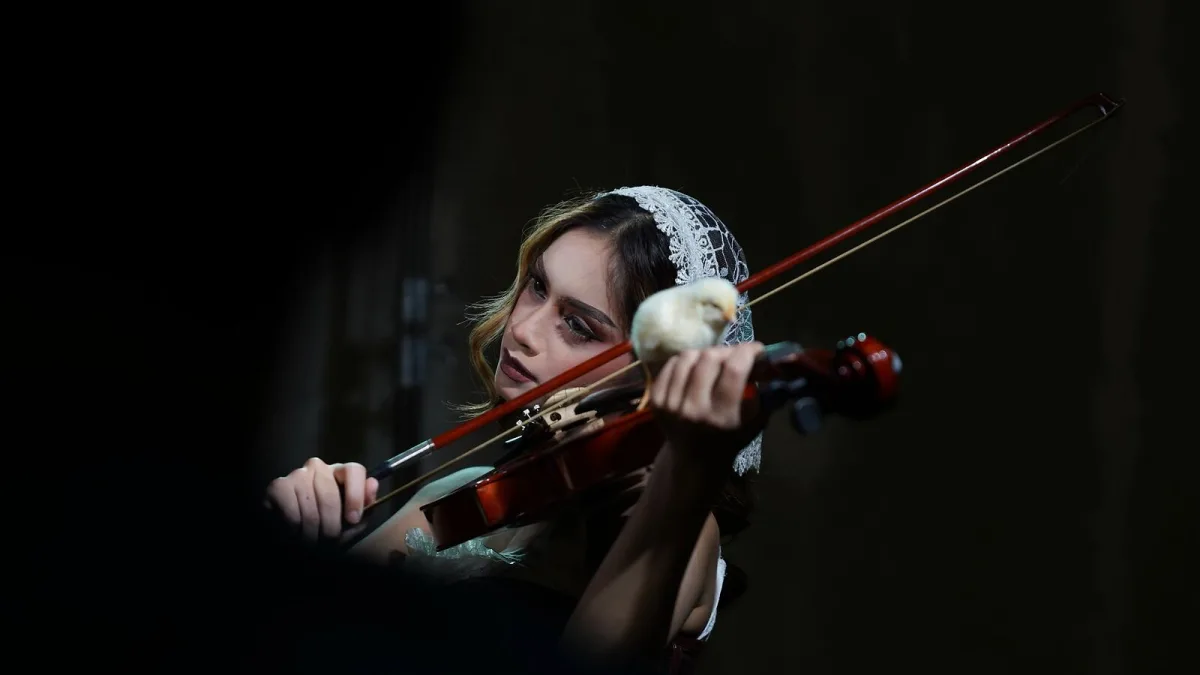
A genre with a loose definition tends to contain multitudes. The broad umbrella of orchestral indie pop covers several distinct strains that operate according to different aesthetics, draw on different traditions, and produce recognisably different sounds. Understanding these distinctions makes it easier to navigate the genre's considerable discography and find the corner of it that suits you. Nicola maps the territory.
Baroque Pop
The oldest and most historically grounded variant. Baroque pop describes the 1960s and early 1970s work of artists who incorporated harpsichord, string quartets and classical counterpoint into pop songwriting: The Left Banke, The Association, late-period Beatles (particularly "Eleanor Rigby" and "For No One"), Scott Walker's solo albums, and the Zombies. It is the genre's immediate ancestor, and several chamber pop artists cite baroque pop recordings as formative influences.
The primary difference from the contemporary genre is cultural context: baroque pop was largely produced within the major-label commercial pop system of its era, while chamber pop is rooted in independent music. The sound overlaps considerably; the industry context does not.
Folk-Orchestral
A significant strand places the genre in dialogue with folk music traditions — British, American or otherwise. Nick Drake's five albums (1969–1974), arranged by Robert Kirby and others, are the archetype: finger-picked acoustic guitar surrounded by string quartet arrangements in a sound of extraordinary delicacy. Drake is universally cited as a precursor to chamber pop, and his influence on virtually every acoustic artist in the genre is substantial.
More recent folk-orchestral artists include Joanna Newsom (harp, vocal, orchestra), Sufjan Stevens' acoustic work, Bon Iver (who has moved between folk, ambient, and orchestral modes across his career), and the entire landscape of contemporary "chamber folk" that emerged in the 2010s.
Art Pop
Art pop shares the orchestral ambition but places greater emphasis on conceptual or structural innovation. David Bowie's Berlin trilogy, Scott Walker's later experimental work (Tilt, The Drift), and the more avant-garde end of Sufjan Stevens' catalogue occupy this space. The line between art pop and chamber pop is not always clear — both deploy orchestral instruments in the service of ambitious songwriting — but art pop tends to be more interested in formal experimentation and less rooted in conventional melody.
Indie Orchestral
The most immediately accessible variant, and the one most closely associated with the genre as a popular category. Belle and Sebastian, Camera Obscura, Arcade Fire and their peers make indie music that happens to include orchestral instrumentation — the songs are conventionally structured, the arrangements ornate but not overwhelming, the emotional appeal direct. This is the natural entry point for listeners coming from mainstream indie or alternative rock.
Orchestral Ambient
At the more atmospheric end, artists like Stars of the Lid, Ólafur Arnalds and Johann Johannsson connect orchestral chamber music with drone, minimalism and electronic texture. The result is music with the instrumentation of the genre but a very different function — designed less for conventional listening than for immersion and contemplative attention. It sits at the border of classical contemporary music and often reaches audiences that do not define themselves as indie listeners at all.
Singer-Songwriter Chamber
A quieter strand, centred on a soloist — voice plus piano or guitar — with orchestral elements used sparingly and deliberately. Sufjan Stevens' Carrie & Lowell occupies this space, as does much of Antony and the Johnsons' work (now released as Anohni), and the late career of Scott Walker before he moved into more abrasive avant-garde territory. The aesthetic here is one of exposure and restraint — nothing surplus is included.
Finding Your Way In
The most accessible starting point is indie orchestral: Belle and Sebastian or Camera Obscura. From there, the folk-orchestral strand offers Nick Drake, Sufjan Stevens and Joanna Newsom. Baroque pop provides historical context. Art pop and orchestral ambient reward listeners who want to go further into the experimental end.
For a guide to the complete discography, the essential albums covers the records that define each strand. For a full picture of what the genre is and where it came from, the overview is the starting point.


Comments