
New wave mixes post-punk energy with synth-led pop style. Discover the instruments and production tools behind this sharp, distinctive sound.
- 10 articles
- Music Genres (General)
Articles on New Wave
All news

The Best New Wave Artists to Know
There's no single new wave sound, so there's no single lane of artists either. Here's the lineup, sorted into groups that actually make sense.
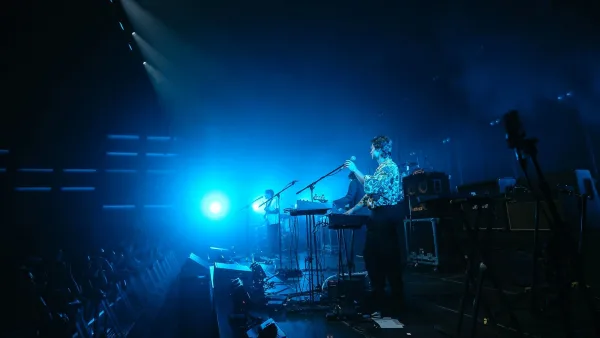

A Beginner's Guide to New Wave
Not sure where new wave begins and ends? Here's the reassuring, jargon-free version: what it is, where it came from, and who's worth hearing first.


The History of New Wave
No single band or city started it, and it didn't die so much as splinter. Here's the ten-year arc, told straight, from CBGB to the mid-80s comedown.


New Wave Subgenres, Explained
The genre tag covers too much ground on its own. Here's what actually separates synth-pop from new romantic from the darker, colder stuff.
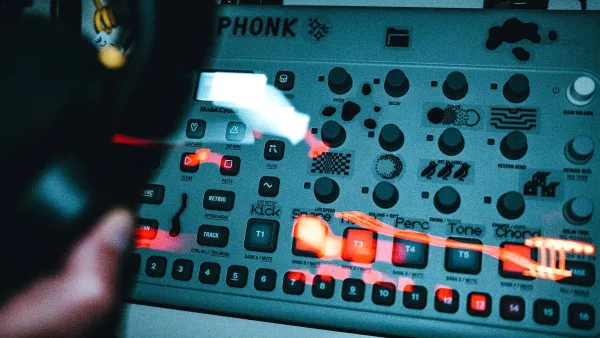

The History of Synthwave
French bedrooms, a Sega arcade cabinet and one very stylish thriller: here is the real story of how synthwave came together.


The Best New Wave Songs Right Now
Great pop songwriting doesn't expire. Here's why these tracks still land, four decades on, and the production choices doing the quiet work.
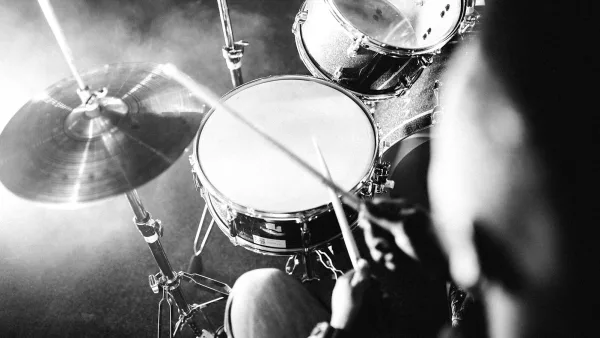

A Beginner's Guide to Post Punk
Punk tore up the rulebook — post-punk decided to keep going. Here's what the genre actually sounds like, where it came from and who shaped it.

Post Punk Subgenres, Explained
Post-punk was never one sound. Here's a clear-eyed breakdown of its overlapping strands, and where each one bled into a genre of its own.
Essential New Wave Albums Explained
Playlists flatten everything into three-minute chunks. These are the albums where the era actually showed its ambition, explained one by one.


New Wave for Newcomers: Where to Start
You don't need a reading list to get into new wave. You need five good starting points and permission to skip around. Here's exactly that.

New wave with style and synthesis
New wave blends post-punk attitude with pop structure, synth textures and a distinctive sense of style. For UK musicians, new wave is a rich category that connects guitar bands, keyboard-led acts and retro-futurist production across live and studio contexts.
Typical sound palette
New wave often features clean or choppy guitars, prominent bass, electronic drums, analogue synthesisers and memorable vocal lines. The genre values angular rhythm and strong hooks, which makes arrangement choices just as important as the individual sounds. New wave can be edgy or glossy, but it usually keeps a sharp, intelligent character.
Production and performance approach
Artists working in new wave often choose drum machines, chorus effects, compact pedalboards and keyboards that deliver bright, expressive tones. In UK studios, new wave production works best when every part has space and purpose. New wave remains a practical category for bands and solo artists who want a stylish, accessible sound with a distinct identity.

Tango
Tango is a dramatic dance music style with strong rhythm, expressive phrasing and a distinctive emotional intensity.

Barbershop
Barbershop is a close-harmony vocal style with bright chords, precise ensemble blend and a classic a cappella sound.

Samba
Brazilian rhythm-led genre with rich percussion, syncopation and strong live energy for ensembles and carnival-style per...

Gothic
Gothic music spans dark, dramatic styles across rock, metal and alternative scenes. It links music, mood and visual iden...

Avant Garde
Avant garde music pushes beyond familiar styles with experimental sounds, unusual structures and sonic risk-taking.

Glitch
Glitch is an experimental electronic genre built from clicks, skips and digital artefacts. It suits adventurous producer...

Calypso
Calypso is a rhythmic Caribbean style built on storytelling, vocals and lively percussion with strong cultural roots.

Phonk
Phonk is a dark, sample-led style built on heavy bass, chopped textures and gritty beats.

Americana
Americana blends folk, country, blues and roots rock into storytelling-led music with an acoustic, lived-in feel.

Meditation Music
Calm, slow-moving music for mindfulness, relaxation, yoga and peaceful listening environments.

Minimalism
Minimalism uses repetition, gradual change and sparse materials to create focused contemporary music.

Symphony
Symphony covers large-scale orchestral works with structured movements, rich instrumentation and formal classical writin...


