


New Wave article
New Wave Subgenres, Explained
The genre tag covers too much ground on its own. Here's what actually separates synth-pop from new romantic from the darker, colder stuff.
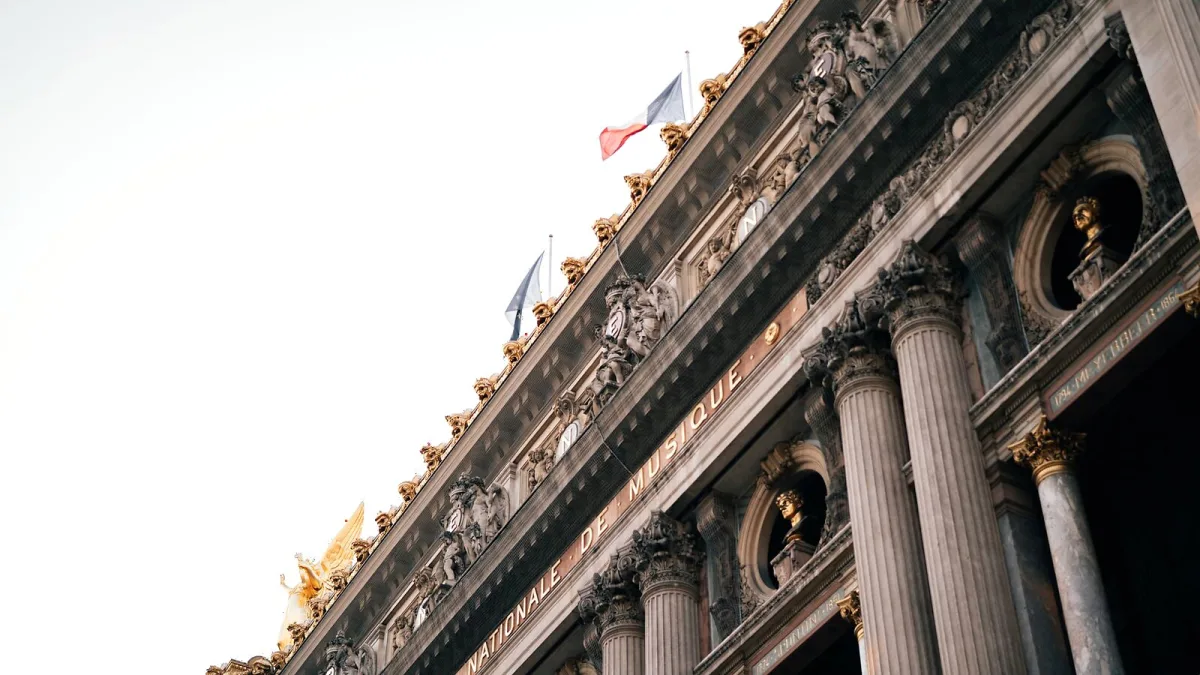
Call something "new wave" and you've said almost nothing about how it actually sounds — the label covers too much ground for that. Break it into the new wave subgenres underneath, though, and it gets much more useful. Here's what actually separates synth-pop from new romantic from the darker, guitar-driven stuff, and why the lines between them stayed so blurry.
Synth-Pop
The most electronically-focused branch, built around synthesisers and drum machines rather than a conventional rock line-up. Gary Numan's stark, machine-like productions and The Human League's chart-topping Dare both sit here, alongside OMD's more experimental melodic writing. It's worth remembering that synth-pop is a strand within the wider movement, not a synonym for it — not every synth-pop act is automatically filed the same way, and not every act in the wider genre used synthesisers at all.
New Romantic
Less a sound than a look that shaped the sound around it. Visage, Spandau Ballet and early Duran Duran turned fashion, make-up and theatrical stage presence into part of the package, favouring lush synthesiser arrangements and a deliberately glamorous, artificial image. This is the strand most directly tied to the rise of music video — the visuals were never an afterthought here.
Dance-Oriented and Funk-Influenced New Wave
Plenty of artists borrowed directly from funk, disco and reggae rather than leaning purely electronic. Talking Heads' later records, with their polyrhythms and horn sections, sit here, as does much of Blondie's disco-inflected songwriting. New Order later pushed this strand toward the dance floor outright, blurring into what would become electronic dance music.
Cold Wave and Minimal Synth
A colder, sparser, more austere cousin, generally darker in tone and less interested in chart success. It overlaps heavily with what most people now call post-punk, and the line between the two is genuinely a matter of which record shop or critic you ask. Bands working in this space favoured stark drum machines, minor-key synth lines and a more detached vocal delivery than the glossier subgenres above.
The New Wave Subgenres at a Glance
| Subgenre | Core Sound | Key Artists |
|---|---|---|
| Synth-pop | Synthesiser-led, drum machines, pop structures | Gary Numan, The Human League, OMD |
| New romantic | Lush synths, theatrical image and fashion | Visage, Spandau Ballet, Duran Duran |
| Dance/funk hybrid | Funk, disco and reggae rhythms | Talking Heads, Blondie, New Order |
| Cold wave / minimal synth | Sparse, darker, minor-key electronics | Acts overlapping heavily with post-punk |
None of these categories has a hard edge. A band could move between two or three of them across a single career — The Human League and New Order both did — and plenty of records genuinely belong in more than one column at once.
Why Post-Punk Keeps Getting Mentioned
Post-punk is the term most often confused with these subgenres, and for good reason: the two labels overlapped constantly between about 1977 and 1980. As a rough guide, post-punk tends to describe darker, more experimental or abrasive music, while the strands above lean toward stronger melodies and pop structures. But the boundary was never precise, and some bands, The Cure among them, get claimed by both depending on the record in question.
Want the full cast of names behind each of these strands? Our artist guide sorts them out properly, and the full history explains how these strands emerged in the first place.
The Bottom Line
Knowing the new wave subgenres won't give you a perfect filing system — nobody has one — but it will help you understand why a Gary Numan record and a Talking Heads record can share a genre tag while sounding almost nothing alike, and why "post-punk" keeps turning up in the same conversation.




Comments