


Marching Band roundup
The Best Marching Band Songs Right Now
Forget the charts — these are the marches, fight songs and cadences that actually define marching band, and why they've lasted so long.
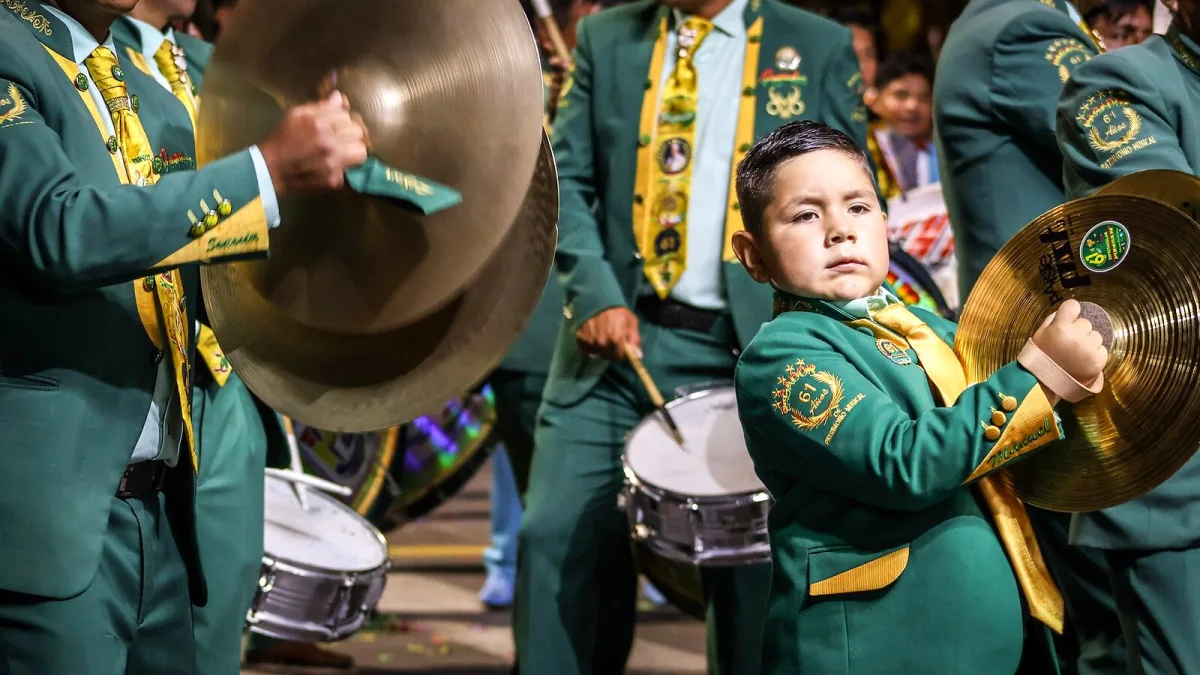
Charts don't mean much in marching band, so forget "right now" — the pieces that actually define the activity have stuck around for decades, some for over a century. These are the marches, fight songs and arrangements every performer learns sooner or later, and the reasons they've earned their place.
The Marches Every Marching Band Learns
Start with John Philip Sousa, whose marches remain foundational repertoire wherever brass and percussion gather to play while walking:
- The Stars and Stripes Forever — officially the National March of the United States, and about as close to a universal anthem as this tradition has.
- The Washington Post March — written for a newspaper's essay competition and still a staple of parade repertoire today.
- Semper Fidelis — the official march of the United States Marine Corps, and a genuine test of a brass section's precision.
These pieces endure because they're built exactly for the job: strong, singable melodies, a steady pulse a hundred feet can lock onto, and a big finish that lands even outdoors, over a crowd.
Fight Songs That Became Bigger Than Their Teams
Every school has one, but a handful of college fight songs have escaped their own stadiums entirely and become part of wider popular culture — instantly recognisable even to people who've never set foot on that campus. They work the same way a good march does: short, punchy, built to be shouted along to by thousands of people who only know eight bars of it.
The Stadium Anthem Every Band Plays
Not every defining piece started life as marching repertoire. The riff from The White Stripes' Seven Nation Army has been adopted by bands, football chants and pep bands worldwide, arranged for brass and drumline until it became something close to a universal sports anthem — proof that the activity is just as happy borrowing a great tune as it is commissioning one.
Cadences: The Songs Without Melody
Not every essential piece has a tune at all. Drumline cadences — rhythmic patterns played by the battery alone, often while the band walks between formations or into a stadium — are as much a part of the repertoire as any march, and a good cadence can hype a crowd up faster than any melody.
Modern Field Show Music: Pop Arrangements on the Field
Contemporary show-style bands regularly arrange current pop, film and classical music for their competitive field shows, adapted for brass, woodwind, battery and front ensemble. These arrangements change every season by design — it's one of the only genuinely "right now" elements of the whole activity, even while the foundational repertoire around them stays constant.
Why These Pieces Endure
What ties a century-old Sousa march to a college fight song to an arena-rock riff is function, not fashion: all of it has to work outdoors, at volume, while people are moving, for an audience that's often more interested in a football score than a key change. Music that survives that test tends to stick around. Our guide to the ensembles behind this repertoire covers who plays it best, and our guide to where to actually hear it recorded is the natural next stop if you want to start listening properly.
The Bottom Line
Forget the charts. The defining marching band pieces are the ones that have survived a hundred rehearsals, a hundred stadiums and, in Sousa's case, well over a hundred years — and they're still the songs every new recruit learns first.



Comments