


Marching Band roundup
The Best Marching Band Artists to Know
No chart hits, no arena tours — but these are the college bands, HBCU powerhouses and drum corps that actually define marching band.
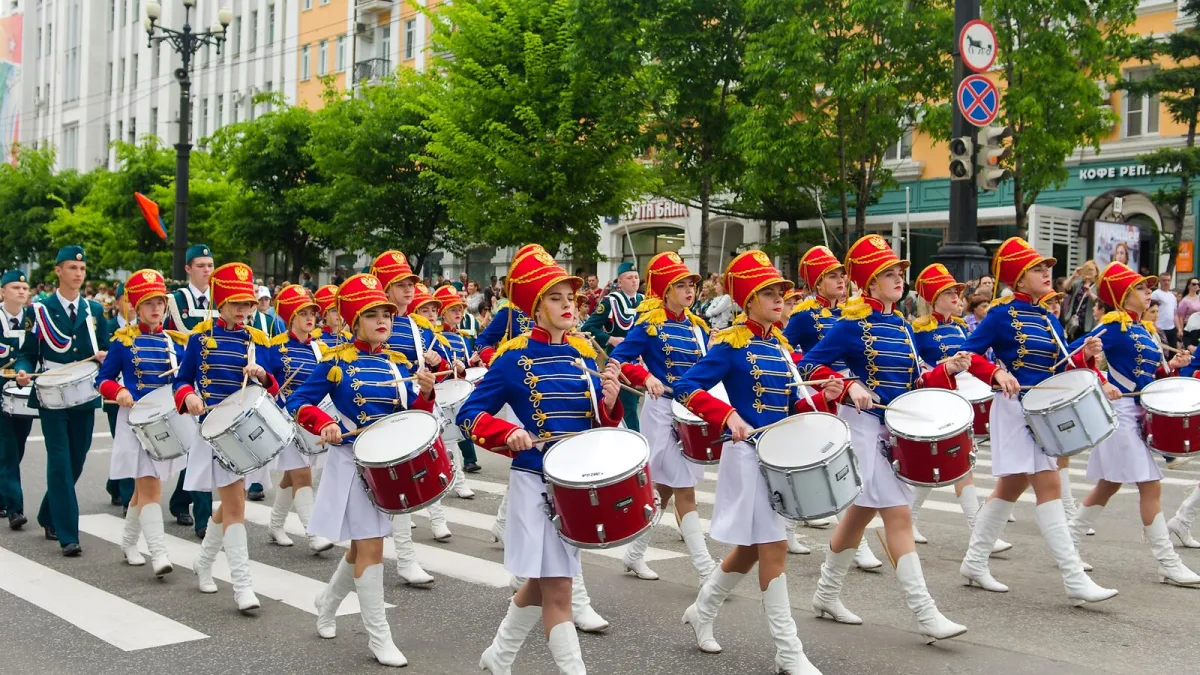
No solo stars, no chart positions, no arena tours — and yet some of these ensembles are more famous, in their own world, than most bands with a record deal. Here's who actually matters if you want to know the names behind the best marching band traditions.
Why This List Doesn't Look Like a Normal "Best Artists" Guide
This isn't built around solo performers or recording careers, so a "best artists" list here means something different: the college programmes, competitive drum corps and historic bands that have defined the activity for decades. These are the names people in the marching arts world actually argue about.
The College Bands Everyone Knows
A handful of university programmes have built reputations that go well beyond their own campus:
- Ohio State University Marching Band — famous worldwide for its "Script Ohio" formation, where a sousaphone player is given the honour of "dotting the i".
- University of Michigan Marching Band — one of the oldest and most storied programmes in American college sport, known for its precision and tradition.
- Purdue "All-American" Marching Band — a long-running programme with deep roots in American college band history.
These bands perform at football games to tens of thousands of fans every week during the season, which makes them some of the most-watched live musical ensembles in the world, whether the audience thinks of it that way or not.
The HBCU Powerhouses
Historically Black colleges and universities have produced some of the most influential bands in the entire activity, built around high-energy, dance-driven shows as much as musical precision:
- Florida A&M University Marching 100 — one of the most widely recognised HBCU bands, known for its size, sound and showmanship.
- Grambling State University Tiger Marching Band — a programme with a long, celebrated history in the HBCU marching tradition.
- Southern University "Human Jukebox" — renowned for its ability to play an enormous range of music entirely from memory.
Their influence reaches well beyond college football; HBCU-style showmanship has shaped how mainstream audiences think about what this kind of ensemble can be.
The Drum Corps Elite
Step outside college football and you find Drum Corps International, a touring competitive activity built entirely around brass, percussion and colour guard. A few corps have become the sport's benchmark names, competing at the top of the DCI World Championships year after year:
- Blue Devils (California)
- The Cadets (New Jersey)
- Bluecoats (Ohio)
- Santa Clara Vanguard (California)
- Boston Crusaders (Massachusetts)
These corps recruit talented young performers nationally and internationally for an intense summer touring season, and the standard of musicianship and visual design at this level rivals professional ensembles in any genre.
The Name Behind the Marches
No conversation about the tradition's key figures is complete without John Philip Sousa, the American composer and bandleader whose marches — including The Stars and Stripes Forever, officially designated the National March of the United States — remain core repertoire for bands everywhere. His legacy lives on directly through "The President's Own" United States Marine Band, which he once led and which still performs and records his work today.
How to Actually Watch These Groups
College programmes perform at football games throughout the season, usually with the best material saved for halftime. Drum Corps International streams and broadcasts its summer competitive season, including the World Championships, for anyone who wants to see the top corps at their absolute peak. For context on how these different traditions diverged in the first place, our history piece explains it properly, and our guide to marching band's different styles untangles exactly how a college band differs from a drum corps.
Curious what these ensembles typically perform? Our guide to the genre's defining pieces covers the marches and arrangements every one of them has in its repertoire.
The Bottom Line
Judge this by chart positions and you'll miss the point entirely. Judge it by who can move ten thousand people with a formation and a fortissimo, and this list is where you start.



Comments