


Marching Band article
Marching Band for Newcomers: Where to Start
Thinking about joining marching band? Here's a genuinely honest starting point: sections, your first rehearsal, gear and staying safe.
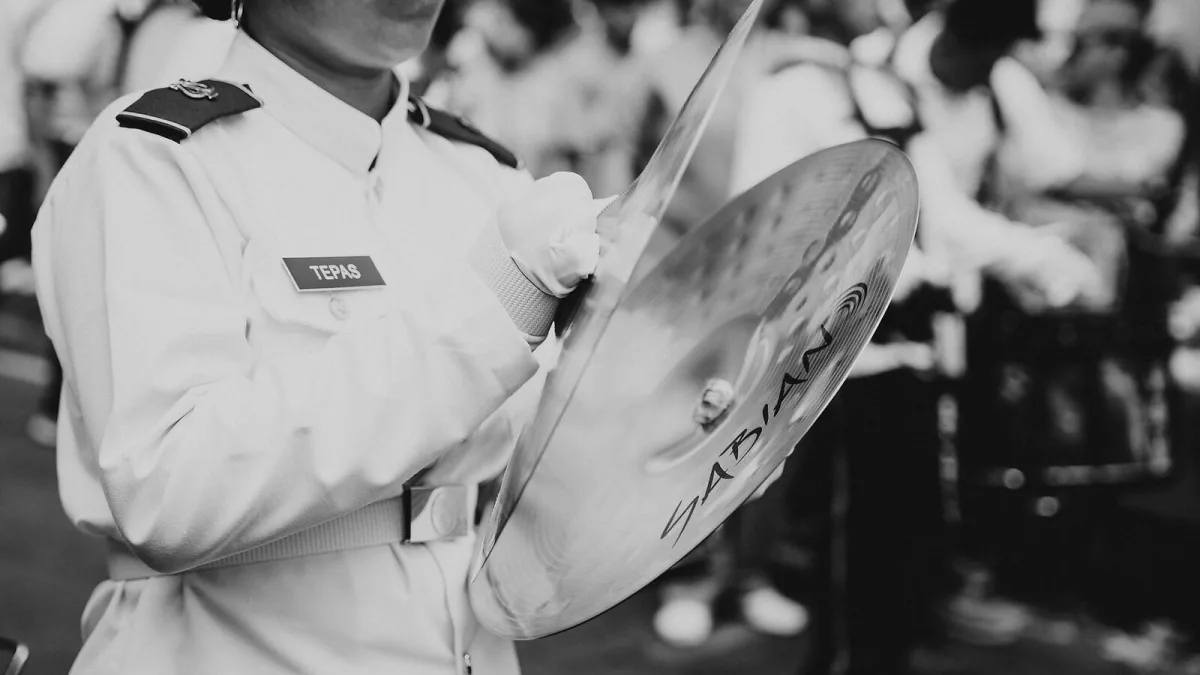
Right, let's be honest with each other. You've watched a halftime show, or a drum corps video, or your school's marching band walk past at a game, and thought "I could never do that." You could. It just takes a proper first step, not a leap. Here's exactly where to start.
So You Want to Join a Marching Band
Good news: nobody expects you to arrive already able to play and march at once. Every single person in every section learned it the same way — slowly, one skill layered on top of another. Sign up through your school or a local community programme, turn up, and let the section leaders do their job. That's genuinely most of the battle won already.
Picking Your Section
You don't need a "main" instrument to get started, and you definitely don't need to be brilliant already. A few honest pointers:
- Played an instrument before? Brass and woodwinds (trumpet, mellophone, trombone, clarinet, saxophone) are a natural fit if you've had lessons.
- Love rhythm more than melody? The battery — snares, tenors, bass drums — is your section, and it's the loudest, most physical seat in the house.
- Prefer standing still and still being essential? The front ensemble ("the pit") plays marimbas, vibraphones and keyboards from the sideline, no marching required.
- More interested in performance than an instrument? Colour guard uses flags, rifles and dance to tell the music's story visually.
Nobody starts on their "main" instrument for life. Plenty of people fall in love with a section they never expected to try.
What Your First Rehearsal Actually Looks Like
Expect basics, not a show. Most programmes start beginners on posture, a standard ready position, and how the instrument or equipment is held consistently. Then comes step size and tempo — learning to move your feet exactly with the group's pulse, usually with a metronome running. Formations and full drill come later, built in small chunks: learn the counts and movement first, then layer the music on top, then string it all together.
You will feel uncoordinated at first. Everyone does. It stops being weird by about week three.
Learning to Play and Move at the Same Time
This is the actual skill of the activity, and it's the bit nobody warns you about properly: you have to keep your sound steady while your body's doing something else entirely. Some things that genuinely help:
- Practise long tones and breathing exercises standing still first, before adding any movement.
- Walk a simple, steady step pattern with a metronome, with no instrument, until it feels automatic.
- Combine the two slowly — a few steps, a few notes — rather than trying to do a full phrase at full tempo straight away.
- Ask your section leader to watch you and correct posture and step size early, before bad habits set in.
Gear You'll Actually Need
Don't overspend before you've even started. A sensible first kit is:
| Item | Why you need it |
|---|---|
| Instrument (often school-owned to start) | No need to buy a marching-specific one on day one |
| Comfortable athletic clothing | You'll be moving, often outdoors, for long stretches |
| Supportive athletic or marching shoes | Protects your feet and joints during long rehearsals |
| Water bottle and sunscreen | Rehearsals run long, often in full sun or heat |
| Pencil and a music folder | You'll be marking coordinate sheets and music constantly |
Staying Safe and Building Stamina
Marching rehearsals are more physically demanding than they look from the stands. Hydrate before you're thirsty, wear proper footwear, warm up gradually, and tell someone straight away if you feel dizzy, short of breath or in real pain. None of that is weakness; it's exactly how experienced performers protect a long season.
Give It a Real Season Before You Judge It
The first few weeks are the hardest part of the whole activity, by a distance. Once the fundamentals click, most people find the actual performing genuinely addictive. If you want the bigger picture of what you've signed up for, our full guide to what marching band involves fills in the rest, and our guide to its different styles will help you understand what kind of programme you've actually joined.
The Bottom Line
Everyone in every top marching band, every drum corps, every HBCU powerhouse started exactly where you're standing now: unable to play and move at once. Give it a real season, trust the process your section leaders are teaching you, and the rest genuinely does come.





Comments