


Baroque Music roundup
The Best Baroque Music Songs Right Now
The individual pieces of Baroque music that land on first listen, no context or homework required.
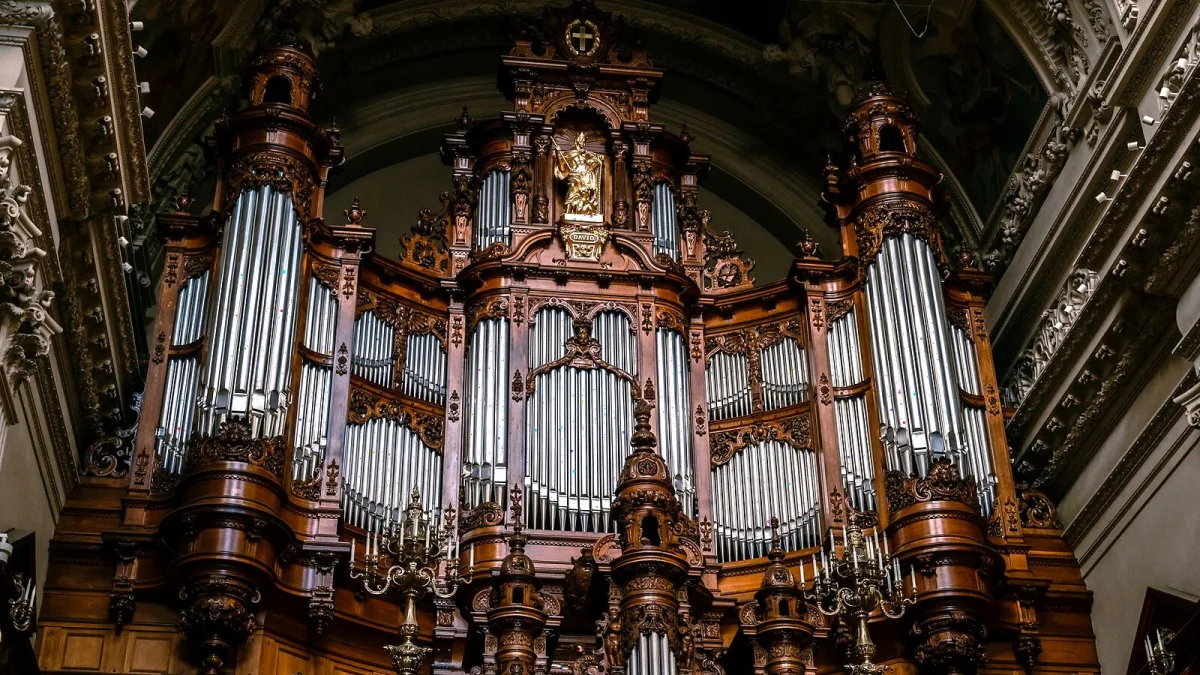
Forget the calendar for a second — when it comes to Baroque music, "right now" and "always" are basically the same list. These are the individual pieces that have never fallen out of rotation, the ones that turn up in adverts, films and playlists decades after everyone forgot the composer's name, and they still land instantly on a first listen. Here's what to actually press play on.
Vivaldi – "Spring" (The Four Seasons)
If one piece of Baroque music got you here without you even trying, it's probably this. Three minutes of birdsong-bright violin lines over a bouncing string accompaniment, built to musically paint the actual season. It's the genre's equivalent of a perfect pop single — instantly likeable, no homework required.
Bach – "Air on the G String"
Slow, warm and almost unbearably gentle, this arrangement of the second movement from Bach's Orchestral Suite No. 3 is one of the calmest things the entire period produced. The nickname comes from a later violin arrangement playable on a single string; the original is for full string orchestra, and either version is worth your time.
Handel – "Hallelujah" (Messiah)
Big, public and genuinely thrilling even on the hundredth listen. This chorus from Handel's oratorio Messiah is built almost entirely from short, punchy phrases stacked on top of each other until the whole thing feels enormous. There's a reason audiences have traditionally stood up for it since the eighteenth century.
Bach – Toccata and Fugue in D Minor
The one that sounds like a horror film before horror films existed — dramatic organ chords, a famous opening flourish, and one of the most recognisable few seconds in all of Baroque music. Worth knowing: some scholars question whether Bach actually wrote it, though it's long been attributed to and performed as his work. Either way, it's an unmissable listen.
Purcell – "When I Am Laid in Earth" (Dido and Aeneas)
A complete change of mood: a devastating lament built over a repeating descending bass line, sung by Dido as she prepares to die. It's proof that this era could do heartbreak just as convincingly as spectacle, and it remains one of English Baroque music's most quietly powerful moments.
Pachelbel – Canon in D
You know this one, even if the name doesn't ring a bell — it's the wedding processional, the ad-break strings, the chord progression half of modern pop has borrowed at some point. Endlessly repeated and endlessly enjoyable, which is a rarer combination than it sounds.
Bach – "Sheep May Safely Graze"
A gentler, less famous choice, and worth seeking out precisely because it isn't everywhere. Originally written for a birthday cantata, its flowing melody over a steady accompaniment shows a softer, more pastoral side to Bach than the density he's usually known for.
Bach – Brandenburg Concerto No. 3
Less of a single standout tune, more a masterclass in interplay: three groups of strings passing the same musical ideas between them at speed. It rewards a slightly more active kind of listening than the pieces above, and it's a genuinely useful test of whether you're ready to move from highlights into full-length Baroque works.
What Makes a Piece "Essential" Rather Than Just Famous
Fame and quality aren't quite the same thing here. What ties these particular pieces together isn't just recognisability — it's that each one does something distinctive with the era's core tools: a driving bass line, sharp contrast between loud and soft, and melodies simple enough to remember after one listen but interesting enough to survive a hundred more.
How These Compare
| Piece | Composer | Mood |
|---|---|---|
| "Spring" | Vivaldi | Bright, energetic |
| Air on the G String | Bach | Slow, warm |
| "Hallelujah" | Handel | Big, celebratory |
| Toccata and Fugue in D Minor | Bach (attrib.) | Dramatic, dark |
| "When I Am Laid in Earth" | Purcell | Tragic, intimate |
| Canon in D | Pachelbel | Warm, familiar |
Every one of these pieces of Baroque music sits inside a bigger work, and hearing them in full context genuinely changes how they land. "Spring" belongs to a whole set of four concertos, "Hallelujah" caps nearly three hours of drama, and there's a whole world of similarly essential Baroque music once you go looking. For the full-length works these highlights come from, the essential Baroque works to know covers each one properly, and for the composers behind them, the best Baroque composers to know fills in who's who.
The Bottom Line
None of these pieces need context, streaming credits or a concert ticket to hit — they're built to work on first contact, which is exactly why they've survived three centuries of changing taste while thousands of other pieces from the period faded into academic footnotes. Start with whichever mood you're in and go from there.



Comments