


Baroque Music article
Essential Baroque Music Albums Explained
The collections and large-scale works that reward being heard whole, from Vivaldi's Four Seasons to Handel's Messiah.
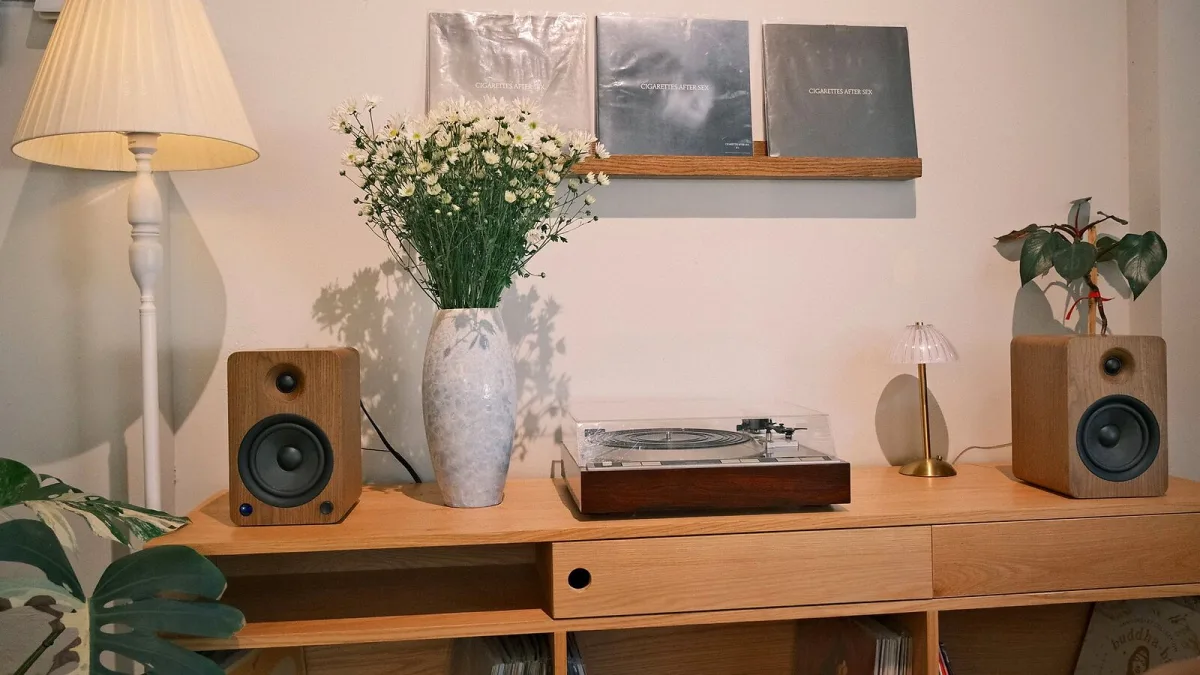
Nobody released an "album" in 1720 — the word didn't exist yet, and neither did the format. But composers of the period absolutely thought in collections: sets of concertos, bound-together keyboard pieces, whole evenings of opera or oratorio designed to be heard as one thing. These are the Baroque works that function as albums today, the ones worth having properly, start to finish, rather than picking off in single movements. None of them need a specialist collection or an expensive box set to hear — every one is a search away on any major streaming platform.
What "Album" Actually Means Here
Treat it loosely. Some of these Baroque works are genuine sets — a dozen concertos published together under one title. Others are single large-scale works, an opera or an oratorio, that simply take an evening to perform. What they share is scale: each rewards being heard whole rather than in fragments, which is exactly what separates a proper Baroque work from a single standout movement.
Vivaldi – The Four Seasons
The obvious starting point among these Baroque works, and rightly so. Four violin concertos, one per season, each built to musically depict something specific — birdsong, a summer storm, ice underfoot in winter. It's the friendliest entry on this list by some distance, and the best possible proof that Baroque music didn't have to be austere to be serious.
Bach – The Brandenburg Concertos
Six concertos, dedicated to the Margrave of Brandenburg in 1721, each scored for a different combination of instruments. Taken together they're arguably the single best demonstration of what Bach could do with contrast, texture and sheer inventiveness within a tightly defined form. No two concertos in the set sound alike, which is precisely the point.
Bach – The Well-Tempered Clavier
Not a concert work but a keyboard collection: a prelude and fugue in every major and minor key, forty-eight pieces across two books. It's less immediately dramatic than the Brandenburgs, but as a demonstration of what a single composer could do with counterpoint — several independent melodic lines working together at once — it has few rivals in any period.
Handel – Messiah
An oratorio, meaning a large-scale sacred work performed in concert rather than staged like an opera. Best known today for its "Hallelujah" chorus, but the strength of the whole piece lies in how it moves between intimate solo recitative, lyrical arias and full choral grandeur across nearly three hours. It remains one of the most performed works in the entire classical repertoire.
Monteverdi – L'Orfeo
The oldest work on this list, from 1607, and arguably the most historically important: one of the earliest operas still regularly performed, and the clearest surviving link between Renaissance practice and everything that follows in the Baroque period. Hearing it as a whole, rather than in excerpts, is the only way to appreciate how genuinely new it must have sounded.
Purcell – Dido and Aeneas
Mercifully short for an opera, which makes it a genuinely approachable whole listen rather than a commitment. English Baroque music at its most emotionally direct, building to the devastating closing lament "When I Am Laid in Earth" — a moment that lands far harder heard in context than pulled out on its own.
Two More Worth Hunting Down
Once the six above feel familiar, a couple of less obvious Baroque works reward the effort of tracking them down. Corelli's Concerti Grossi, Op. 6 is a set of twelve pieces that essentially wrote the rulebook for the whole form — a small group of soloists set against a larger ensemble — before Vivaldi or Bach ever touched it. And Bach's Goldberg Variations, a single theme reworked thirty times over for solo keyboard, is one of the most patient and rewarding listens the entire period produced, even if it asks more of a first-time listener than anything else on this page.
The Set List at a Glance
| Work | Composer | Type | Roughly |
|---|---|---|---|
| The Four Seasons | Vivaldi | Four violin concertos | 1725 |
| Brandenburg Concertos | Bach | Six concertos | 1721 |
| The Well-Tempered Clavier | Bach | Keyboard collection | 1722–1742 |
| Messiah | Handel | Oratorio | 1741 |
| L'Orfeo | Monteverdi | Opera | 1607 |
| Dido and Aeneas | Purcell | Opera | c. 1688 |
None of these Baroque works are difficult to find — every major streaming service carries multiple recordings of each, so it's worth trying a couple of versions if the first performance you land on doesn't click. For individual highlights pulled out of collections like these, the essential Baroque tracks worth knowing is a good next stop. And if you'd rather understand who wrote all of this and why, the composers behind these works fills in the background properly.
Where to Start
If you only have time for one, make it The Four Seasons — it asks the least of a first-time listener and gives back the most. From there, Bach's Brandenburg Concertos and Handel's Messiah cover the two biggest sides of the period: instrumental invention and public-facing choral drama. The rest of these Baroque works will still be waiting once those three feel like old friends, and building a proper collection of them is a genuinely rewarding way to spend a few months of listening.




Comments