


Baroque Music article
Baroque Music Subgenres, Explained
Concerto, cantata, fugue and more: the straight-talking difference between every major Baroque form, no jargon left unexplained.
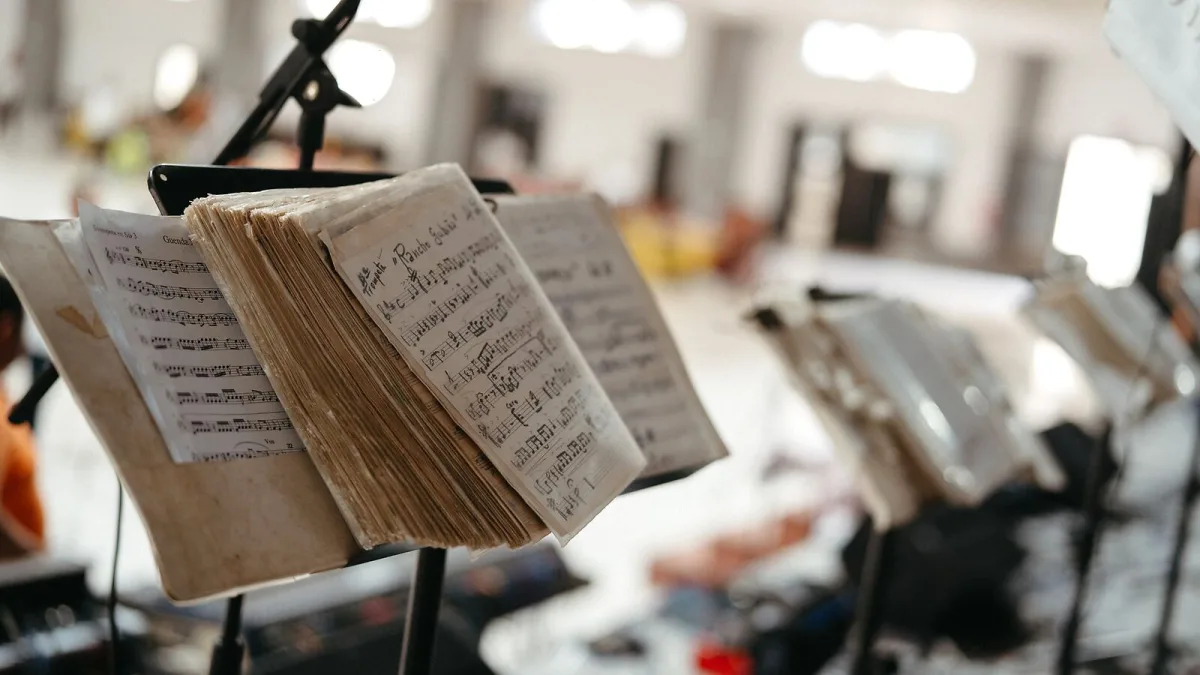
Right, let's cut through the jargon. People throw around words like "concerto", "cantata" and "fugue" like everyone already knows the difference, and half the time they don't. So here's the straight version: what each of these Baroque subgenres actually is, how to tell them apart by ear, and which one to reach for depending on what you fancy hearing. Seven forms, no waffle.
Why Bother Learning These Baroque Subgenres?
Because a concert programme, a playlist description or a streaming algorithm will use these words constantly and assume you already know what they mean. None of them are complicated once you've actually got the difference straight, and each one tells you something useful about what you're about to hear — whether there'll be a plot, how long it'll take, and roughly what to expect from it.
Opera – The Big One That Started It All
A staged drama told entirely through singing, backed by an orchestra. This is where the whole period effectively begins — Monteverdi's L'Orfeo (1607) is one of the earliest examples still regularly performed. If you want spectacle, plot and costumes alongside your music, this is the subgenre doing that job.
Oratorio – Opera's Serious Cousin
Same scale as opera — soloists, chorus, orchestra, often a couple of hours long — but performed in concert rather than staged, and usually built on a sacred or biblical story rather than a secular plot. Handel's Messiah is the obvious example, and knowing this distinction saves you wondering why nobody's in costume.
Cantata – The Working Week's Music
Smaller and shorter than an oratorio, typically written for a single occasion — often a specific Sunday service. Bach wrote well over a hundred church cantatas, usually mixing solo voices, chorus and instruments across several short movements. Think of it as the period's most functional, regularly produced form — music with a genuine job to do.
Concerto – Soloist Versus the Room
Built entirely around contrast: one instrument, or a small group, set against a larger ensemble. Vivaldi's The Four Seasons is the textbook example, with a solo violin taking on the whole string orchestra. It's the closest thing this period has to a guitar solo — a chance for one player to show off against the full band.
Concerto Grosso – The Concerto's Older Sibling
Similar idea to a concerto, but with a small group of soloists (the concertino) against the full ensemble (the ripieno) rather than a single star player. Corelli's sets of concerti grossi effectively wrote the rulebook for this form before Vivaldi or Bach ever picked it up. It's a genuinely useful subgenre to know if you want to sound like you know what you're talking about.
Sonata – Chamber Music, Stripped Back
Fourth on this list of Baroque subgenres, and the most intimate so far: a smaller-scale instrumental piece, often for one or two melody instruments plus continuo (that's the bass-and-chords accompaniment doing the heavy lifting underneath). Less grand than a concerto, but no less demanding — this is where a lot of the period's most intimate, technically demanding writing lives.
Suite – A Set of Dances You Don't Actually Dance To
A sequence of stylised dance movements — allemande, courante, sarabande, gigue, roughly slow-fast-slow-fast in feel — stitched together as a single instrumental work. Bach's Orchestral Suites are the obvious entry point. Nobody's expected to actually dance along; the dance rhythms are just the raw material.
Fugue – The Puzzle Box
A contrapuntal form built on a single melodic idea, the subject, which enters in one voice and then gets picked up and layered by others in turn. Bach's The Well-Tempered Clavier is full of them. It's the most technically demanding subgenre on this list to write well, and often the most rewarding once you can actually follow the subject as it moves around.
Quick Reference: The Baroque Subgenres Side by Side
| Form | Staged? | Typical length | Try |
|---|---|---|---|
| Opera | Yes | Full evening | Monteverdi, L'Orfeo |
| Oratorio | No | Full evening | Handel, Messiah |
| Cantata | No | 15–30 minutes | Bach's church cantatas |
| Concerto | No | 10–20 minutes | Vivaldi, The Four Seasons |
| Sonata | No | 10–15 minutes | Corelli's sonatas |
| Suite | No | 15–25 minutes | Bach's Orchestral Suites |
| Fugue | No | 2–5 minutes | The Well-Tempered Clavier |
None of these forms exist in a vacuum — the same composers wrote across most of them, often in the same year. For who's behind all of this, the composers worth knowing covers the names properly, and if you'd rather hear individual highlights before committing to a full oratorio or opera, the essential tracks to start with is the quicker route in.
The Honest Takeaway
You don't need to memorise all seven of these Baroque subgenres before you're "allowed" to enjoy any of it. But knowing the difference between a cantata and a concerto, or an oratorio and an opera, means you'll actually understand what you're being offered next time a programme or playlist uses the word — and that's worth having in your back pocket. Learn these Baroque subgenres once, properly, and you'll never need to fake understanding a concert programme again.




Comments