


Baroque Music roundup
The Best Baroque Music Artists to Know
Six Baroque composers who explain the entire appeal of the era on their own, and where to start with each of them.
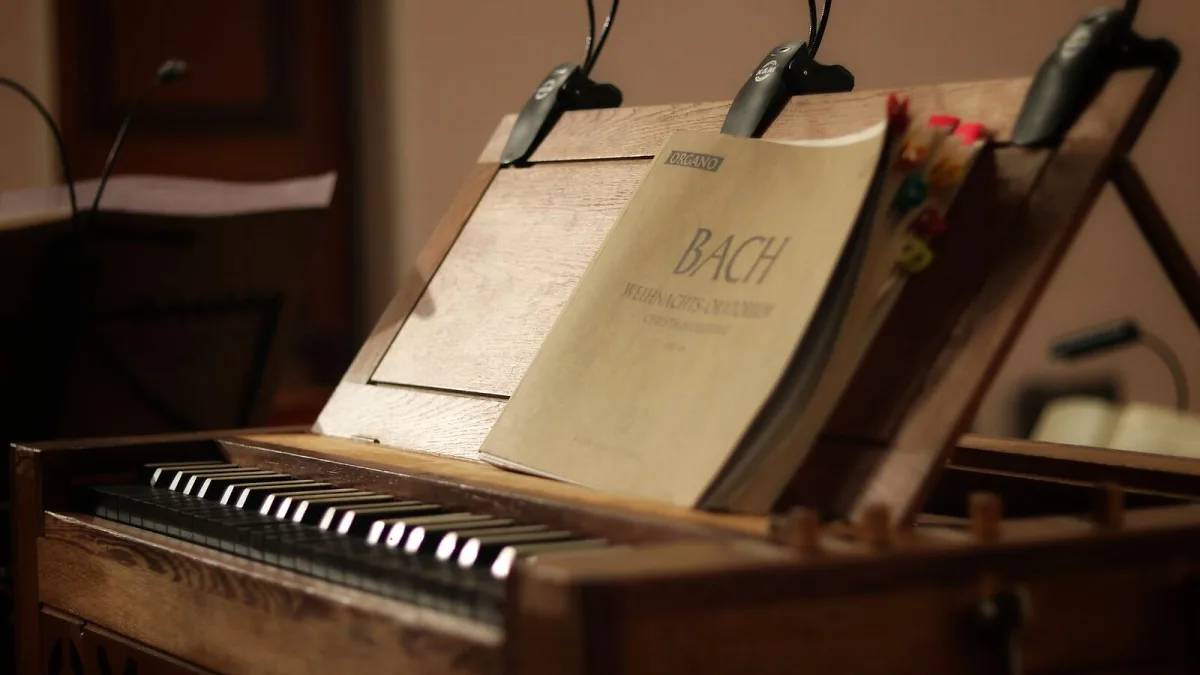
Every genre has its handful of names that explain the whole appeal on their own, and this one has more than most. These are the Baroque composers who turned a new Italian fashion for opera into a century and a half of some of the most inventive music ever written. Here's who they were, what actually makes each of them worth your time, and where to start listening.
Claudio Monteverdi – The One Who Started It
Monteverdi bridges the Renaissance and the Baroque almost single-handedly. His 1607 opera L'Orfeo is one of the earliest still regularly performed, and it's a genuinely thrilling listen: dramatic vocal writing, colourful instrumental touches, and a real sense that music could tell a story rather than just decorate a text. Without him, opera as we know it takes a lot longer to arrive.
Arcangelo Corelli – The Quiet Architect
Corelli doesn't get the household-name treatment Bach or Handel do, but his influence is everywhere in this period. As a violinist-composer, he helped establish the sonata and the concerto grosso — a form built around a small group of soloists set against a larger ensemble — as the templates other composers would build on for decades.
Antonio Vivaldi – The One Everyone Already Half-Knows
Vivaldi is Baroque music's easiest handshake. The Four Seasons is probably the single most recognisable piece of music from the whole period, but it's worth hearing beyond that one work: his concertos are packed with rhythmic energy, vivid contrasts and a real gift for melody that explains why he's still the composer most newcomers meet first.
Johann Sebastian Bach – The Craftsman
If Vivaldi is the easy entry point, Bach is where the depth lives. His output spans keyboard works, orchestral suites, sacred cantatas and some of the most intricately constructed counterpoint ever written — music where multiple independent melodic lines interweave without ever sounding cluttered. The Brandenburg Concertos and The Well-Tempered Clavier are the obvious starting points, but there's genuinely no bad place to begin with Bach.
George Frideric Handel – The Showman
Handel worked in London for much of his career and understood public taste better than almost anyone of his generation. His oratorio Messiah, with its famous "Hallelujah" chorus, remains one of the most performed works in the entire classical repertoire. Where Bach writes for the craft, Handel writes for the room — big gestures, clear drama, instant impact.
Henry Purcell – England's Own Voice
Purcell died young, at just 36, but left behind some of English Baroque music's most affecting work. Dido and Aeneas, and specifically its closing lament "When I Am Laid in Earth", shows a genuine gift for setting English text with real emotional weight — a different flavour entirely from the Italian and German composers dominating the period elsewhere.
Employees First, Composers Second
It's worth remembering that none of these six were freelance artists in the modern sense. Bach worked for churches and courts; Handel ran his own opera and oratorio companies, chasing London ticket sales as much as any promoter does today; Purcell held official court posts. Music was mostly a job with a job title — organist, Kapellmeister, court composer — and a lot of the era's finest work was written to order, on a deadline, for a specific occasion. That doesn't make it any less inventive; if anything, the constraints are part of what forced so much creativity out of so few resources.
A Few More Names Worth Knowing
Once those five feel familiar, three more Baroque composers round out the picture nicely:
- Jean-Philippe Rameau — French opera and dance music, plus harmonic theory that influenced how musicians still think about chords today.
- Domenico Scarlatti — keyboard sonatas full of rhythmic energy and hand-crossing, with a distinctly Iberian flavour from his years in Spain and Portugal.
- Georg Philipp Telemann — astonishingly prolific across nearly every genre the period had to offer, and unfairly overshadowed by his friend Bach.
How These Baroque Composers Actually Differ
| Composer | Known for | Start with |
|---|---|---|
| Monteverdi | Early opera, expressive vocal writing | L'Orfeo |
| Vivaldi | Virtuosic, colourful concertos | The Four Seasons |
| Bach | Counterpoint and craft | Brandenburg Concertos |
| Handel | Public drama and big choral works | Messiah |
| Purcell | English text-setting and emotional weight | Dido and Aeneas |
None of this is a ranking — it's a map. If you'd rather understand the era's sound and history before meeting the people behind it, the history of Baroque music covers how the period actually developed, decade by decade. And if you just want to press play right now, this newcomer's starting guide turns several of the names above into an actual listening plan.
The Bottom Line
These Baroque composers didn't just happen to write in the same century — they were responding to each other, competing for the same audiences, and pushing the same handful of new forms in genuinely different directions. Get to know even four or five of them properly and the rest of the period starts making a great deal more sense.
It's also worth remembering that fame then wasn't quite what it is now. Several composers now considered essential, Bach among them, were respected locally in their lifetimes but only recognised as genuinely major figures generations later — a reminder that this list of Baroque composers has been reshaped by history as much as by the music itself.




Comments