


Bachata article
The History of Bachata
How a stigmatised barrio music from the Dominican Republic spent thirty years as a punchline before conquering dancefloors worldwide.
Every genre worth caring about has an underdog story somewhere in it, and bachata's is one of the best: a music built by poor musicians in poor neighbourhoods, mocked for decades by the people who ran the radio stations, that ended up filling arenas from Santo Domingo to London. Here is the history of bachata as it actually happened, in order, with the myths gently separated from the facts.
Bachata Is Born on the Margins
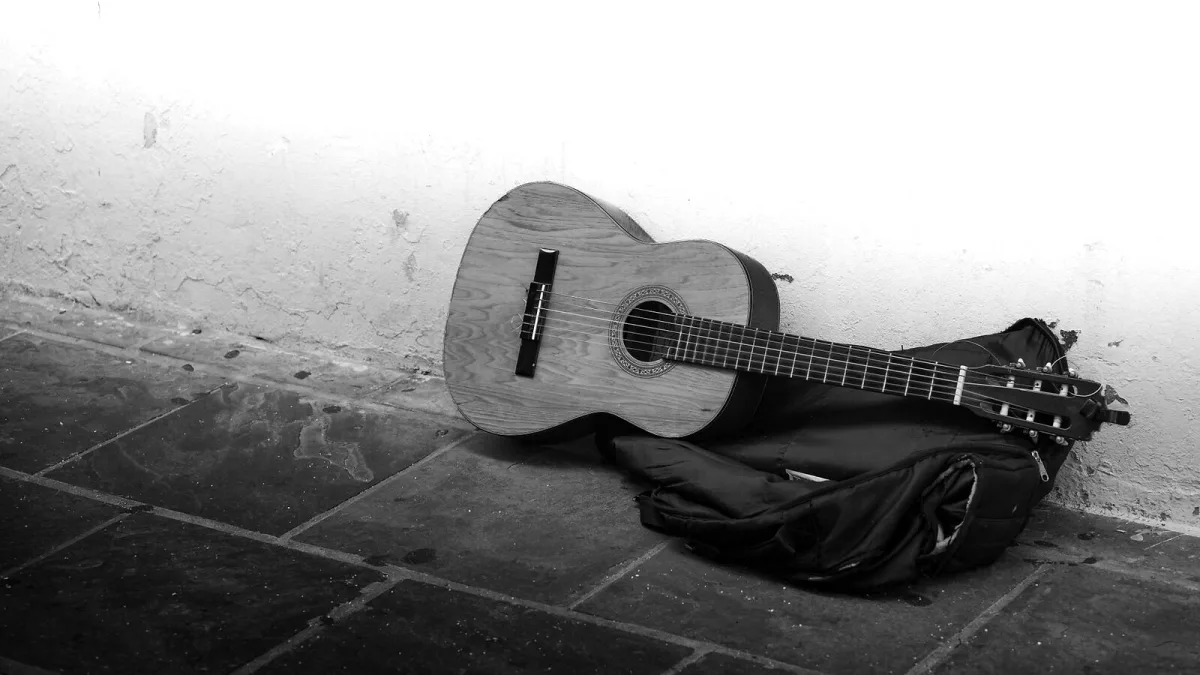
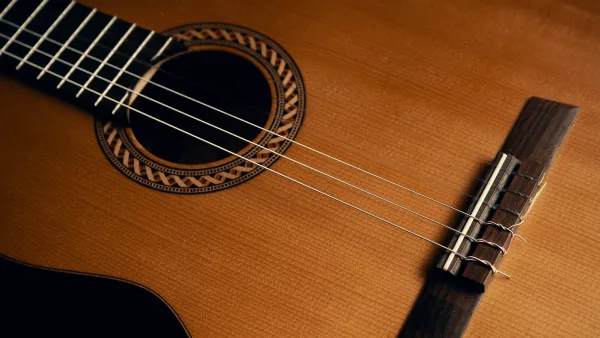
Bachata took shape in the Dominican Republic in the early 1960s, growing out of the guitar-based bolero tradition and rural Dominican performance styles that had nothing to do with polished studios or national radio. It was played on cheap acoustic guitars in bars and at informal gatherings, by musicians who had no access to the country's official music industry. The lyrics leaned hard into heartbreak, betrayal and hard drinking — unglamorous subjects for an unglamorous setting, and all the more honest for it.
The Earliest Recordings
José Manuel Calderón is widely credited with cutting one of bachata's earliest recognised recordings, “Borracho de Amor,” in 1962. It is worth being careful with the word "first" here — plenty of dance-school websites state it as settled fact, but the surviving documentation is thinner than the confident phrasing suggests. What is clear is that Calderón's generation, along with singers like Luis Segura and Leonardo Paniagua, established the romantic, guitar-and-voice sound that later musicians would build on and eventually break away from.
Looked Down On for Decades
This is the part of the story that gets glossed over too often. For years, bachata sat well below merengue in Dominican social standing, dismissed as the sound of the barrio, the brothel and the bottle — crude, disposable, not worth a serious critic's time. Radio played it reluctantly if at all. It survived anyway, in bars and at parties, because the people who actually listened to it did not care what the tastemakers thought. That is the underdog part of the story, and it lasted a long time before anything changed.
Going Electric
Through the 1970s and into the 1980s, the sound started to shift. Blas Durán is closely associated with bringing the electric guitar into bachata, giving it a rougher, more forceful edge that dance-oriented histories often treat as a turning point — though, again, exact "first" claims deserve some scepticism without stronger primary sourcing. Anthony Santos and Frank Reyes became major names in this newly amplified, still deeply romantic era, carrying the genre's classic subject matter into a louder decade.
The Album That Changed the Conversation
If there is a single moment most historians point to for the shift toward mainstream respectability, it is Juan Luis Guerra's 1990 album Bachata Rosa. It did not invent anything from nothing — the change was cumulative, built on decades of musicians who came before him — but the album's commercial and critical success gave bachata a legitimacy in the wider Latin music world that it had never had. Suddenly it was something you could admit to liking in polite company, which, for a music that had spent thirty years as a punchline, was no small thing. Our guide to the essential albums covers this record and the others that matter alongside it.
Going Global: Monchy & Alexandra, Aventura and Romeo Santos
The late 1990s and early 2000s brought Monchy & Alexandra's romantic duets to a huge Latin audience, but it was Aventura — and later Romeo Santos as a solo artist — who properly internationalised bachata. By folding in R&B and pop production over the traditional guitar-and-percussion base, they built songs that worked on New York radio just as well as at a Dominican wedding. Prince Royce followed with a polished, pop-facing take aimed squarely at English-speaking audiences. Our rundown of the artists who matter most gives each of them proper room.
Where the Bachata Story Stands Now
Bachata these days sits comfortably in three broad camps — traditional, modern and a newer, dance-focused "sensual" style — and our breakdown of the subgenres untangles the differences properly, since the labels get blurred online more often than they should. If you are only just discovering this history, our overview of the genre and our newcomer's starting guide are the natural next stops, and our list of the songs that still define the sound lets you hear this whole arc for yourself.
The Bottom Line
What makes bachata's history worth telling is not just the dates and the names — it is the shape of the story itself. A music dismissed as disposable for thirty years outlasted every one of its critics, and it did so without needing anyone's permission. That is a better underdog story than most of the ones you will find in a football stadium, and it is still being written today.


Comments