


Bachata article
Bachata for Newcomers: Where to Start
No overthinking required: three songs, seven simple steps, and where to actually go and dance it for the first time.
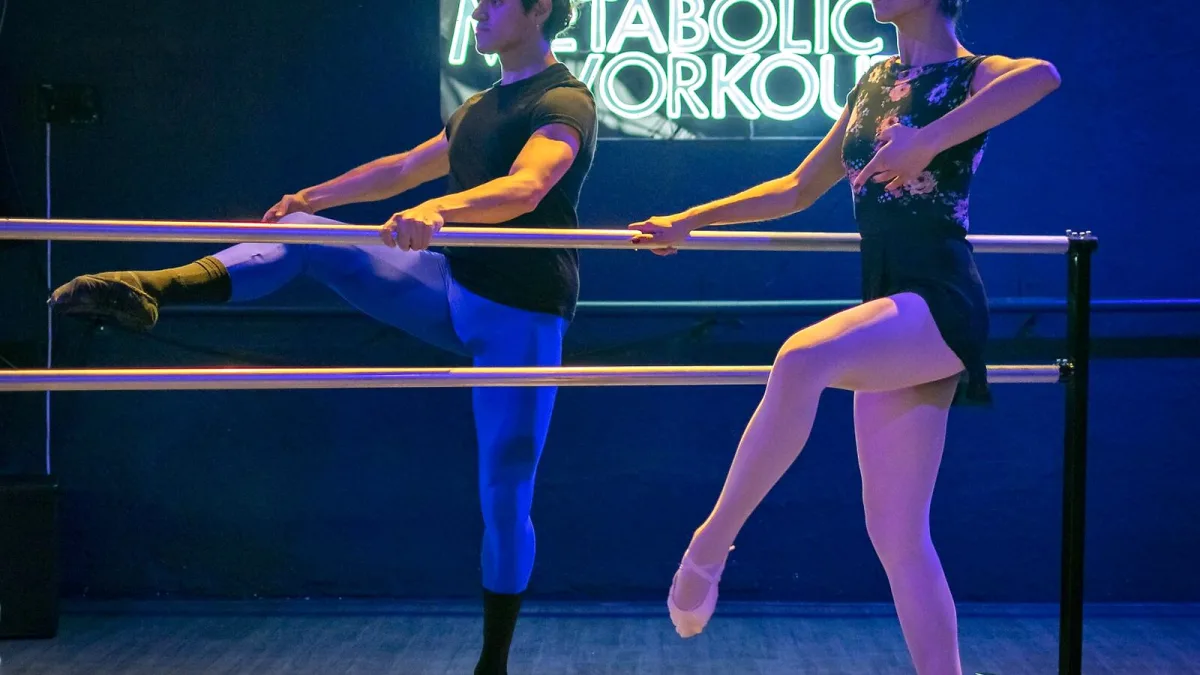
Right, forget the overthinking. You don't need to understand every bachata style label or memorise a timeline before you start enjoying it — you need three songs, one simple step, and somewhere to actually try it out. Here's exactly where to start with bachata, in the order that actually works.
Build a Tiny Bachata Starter Playlist First
Don't try to swallow the whole genre in one sitting. Three tracks is plenty to get your ear in: something from José Manuel Calderón for the roots, Aventura's “Obsesión” for the modern fusion sound, and Prince Royce's bachata version of “Stand By Me” because it's an easy way in if you already know the original melody. That's it for now — our full list of essential songs is there for when you want more.
Learn the Basic Step, One Count at a Time
This is genuinely simple, and it's the bit most beginners overthink. Here's the actual process:
- Stand with relaxed knees. Don't lock your legs — you need a bit of give to move naturally.
- Step side to side on counts one, two and three. Small, grounded steps, weight clearly transferring each time.
- Add a tap on count four. A light tap or touch, not an exaggerated hip movement — that comes later, on its own, once your timing settles.
- Practise the pattern without music first. Get the count solid in silence before you add a track.
- Add a slow song and repeat the same four counts. Don't move on until this feels boring, honestly — boring means it's automatic.
- Practise leading or following with minimal force. No pulling, no pushing. A light, responsive connection is the whole skill.
- Only add turns once the timing is completely stable. Styling and turns are for later. Get the count right first.
Seven steps, no shortcuts, and every single one of them matters more than it looks like it should.
Find Somewhere to Actually Dance Bachata
Watching videos will only get you so far. Find a local beginner class or a bachata social night — most cities with any kind of Latin dance scene run one — and go. Nobody at a genuine beginner social is judging your first attempt at this; they were exactly where you are at some point too. And once you're there: keep that connection light, listen for the güira's rhythm to help your timing, and don't be afraid to ask a more experienced dancer for a slower run-through.
What Makes Bachata Worth the Early Awkwardness
Every new dancer goes through a stretch where the count feels mechanical and the room feels a bit too bright. That's normal, and it passes faster than you'd think. What keeps people coming back to bachata specifically, rather than any other partner dance, is how quickly the music itself starts doing the work for you — the requinto's melody genuinely tells you where the phrase is going, once you know to listen for it. Give it three or four sessions before you decide whether it's for you, not one.
The Style Question Everyone Asks Too Early
You'll hear people mention traditional, modern and sensual bachata within about five minutes of your first class, and it's tempting to panic about picking "the right one." Don't. Learn whichever your local class teaches first — the basic step above underpins all three. Once you're comfortable, our proper breakdown of the subgenres will make a lot more sense than it would right now, precisely because you'll have something to compare it against.
Common Bachata Newcomer Worries, Sorted
- "I have no rhythm." Nobody starts with rhythm. It's built through the repetition in step two above, not talent.
- "I'll look ridiculous." Everyone did, at their first class. Nobody remembers anyone else's first attempt; they're too busy thinking about their own.
- "I don't know any of the artists." That's what the starter playlist above is for. You'll pick names up fast once you're actually listening.
- "What if I can't find a partner?" Most beginner classes rotate partners specifically so this isn't a problem. Just show up.
Your Next Steps
Once the basic bachata step feels natural, widen out: our guide to the key artists and essential albums will give your listening some proper depth, our history of the genre fills in why it all sounds the way it does, and our general overview is worth a read once you want the fuller picture rather than just a starting kick.
The Bottom Line
You don't need permission or a perfect plan to start with bachata — you need three songs, seven simple steps, and a room with other people learning too. Everything else, genuinely, can wait.


Comments