


Bachata roundup
The Best Bachata Artists to Know
No hype, just the honest rundown of which bachata artists built the genre, which ones roughed it up, and which ones took it global.
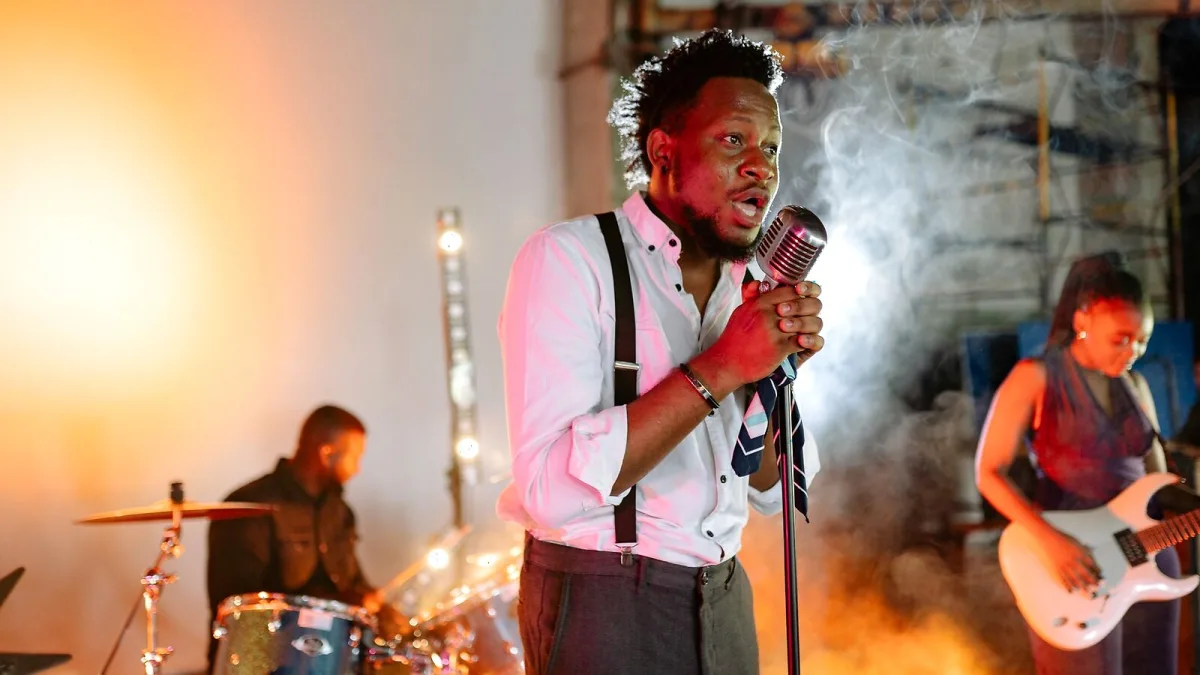
Forget the marketing copy for a minute. If you actually want to know which bachata artists shaped the genre and which ones just rode a trend, here is the honest rundown — the founders who built the sound from nothing, the ones who modernised it, and the ones who took it round the world.
The Founders
José Manuel Calderón is the name that comes up first, widely credited with one of the earliest recognised recordings in the style, “Borracho de Amor,” back in 1962. He wasn't working with much — a guitar, a voice and a room full of people who understood exactly what he was singing about. Luis Segura and Leonardo Paniagua carried that same romantic, guitar-and-voice tradition through the years that followed, laying down the template that every singer after them either followed or reacted against.
The Ones Who Roughed It Up
Blas Durán is the name most closely tied to bringing an electric guitar into the mix, giving the music a harder, more forceful edge through the 1980s. Anthony Santos and Frank Reyes kept the romantic core intact while working in that newly amplified sound, and between the three of them the genre picked up a grit that the founding generation, for all their charm, never really had.
The One Who Made It Respectable
Juan Luis Guerra doesn't fit neatly into either camp above, and that's rather the point. His 1990 album Bachata Rosa is the record most historians point to as the moment this music stopped being a joke in polite Dominican company. He didn't invent the sound single-handedly — nobody does that — but his success opened doors that had been shut for thirty years. Our full history of the genre covers exactly how that shift happened.
The Duo Who Owned the Turn of the Millennium
Monchy & Alexandra turned up in the late 1990s with a run of romantic duets that made them one of the biggest acts in Latin music for a stretch, full stop — not just among bachata artists. Their sound stuck close to tradition while sounding cleaner and more radio-friendly than most of what came before it.
The Group That Took It Global
Aventura are the group that actually did the work of putting this sound in front of people who had never heard of the Dominican Republic. By folding R&B and pop production into the traditional guitar-and-percussion base, they made records that worked in New York as easily as at a wedding in Santiago. Their biggest legacy might be who came out of the group afterwards.
The Solo Stars Carrying It Now
Romeo Santos, formerly of Aventura, is the clearest example: his solo career has made him one of the most commercially significant bachata artists alive, still leaning on that same fusion of traditional sound and modern production. Prince Royce took a different route, going for a polished, thoroughly pop-facing take on the style aimed squarely at English-speaking listeners, and it worked.
| Era | Key figures | What they added |
|---|---|---|
| Foundational | Calderón, Segura, Paniagua | The romantic, guitar-led template |
| Amplified | Durán, Anthony Santos, Frank Reyes | Electric guitar and a harder edge |
| Crossover | Juan Luis Guerra, Monchy & Alexandra | Mainstream Latin music respectability |
| Global | Aventura, Romeo Santos, Prince Royce | R&B, pop and international audiences |
What Actually Separates the Good Ones
It's tempting to rank bachata artists purely on how famous they got, but fame and craft aren't the same thing. The founders earn their reputation on phrasing — the way a singer sits just behind or ahead of the requinto's melody matters more than any amount of studio polish. The artists who modernised the sound earn theirs on arrangement, working out how to add new instrumentation without drowning the guitar-and-percussion interplay that makes the genre recognisable in the first place. And the ones who went global earn theirs on judgement: knowing exactly how much R&B or pop production a song can take before it stops sounding like bachata at all. Plenty of acts have chased the trend without understanding any of that, which is why a lot of forgettable bachata records exist alongside the genuinely great ones.
How to Actually Start Listening
Work through that table roughly in order and you'll hear the whole story unfold rather than just picking up a random modern hit and assuming that's all there is. If you want the deeper context behind any of these names, our overview of the genre and history piece both fill in the gaps, and our guide to the essential albums and list of the songs that still matter give you actual records to put on.
The Bottom Line
None of the bachata artists above got there by accident. Each one solved a different problem — how to make the sound properly, how to modernise it without losing what made it work, how to sell it to people who'd never heard it — and together they built a genre that no longer needs anyone's permission to be taken seriously. If you're brand new to all this, our newcomer's guide and our breakdown of the different subgenres are worth reading next.


Comments