


Bachata article
A Beginner's Guide to Bachata
What bachata actually is, in plain terms: the instruments, the rhythm, a short history and the three styles you'll hear people argue about.
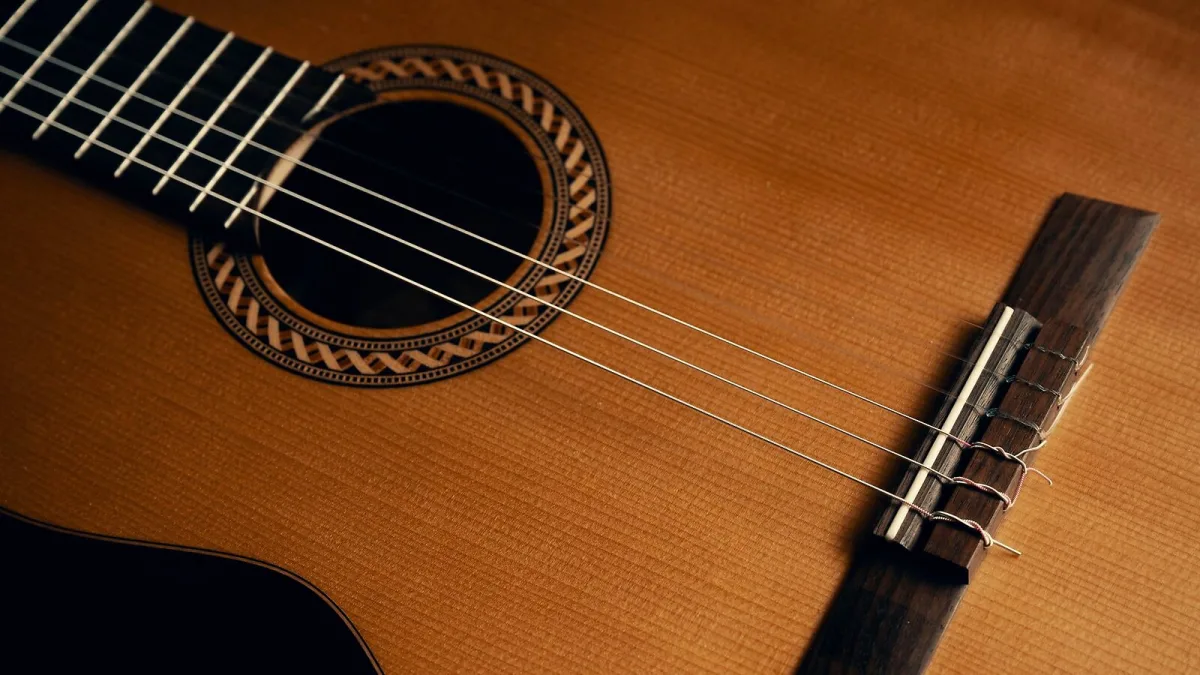
Bachata is one of those genres you have probably heard a hundred times without knowing its name — that unmistakable guitar melody drifting from a car window, a wedding playlist or a dance studio with the lights turned low. This guide sets out, clearly and in order, what it actually is: where it began, the instruments that build the sound, how the basic rhythm works, and the handful of related styles you will meet once you start listening properly.
What Is Bachata?
At its simplest, it is a genre of music and an accompanying partner dance that grew out of the Dominican Republic in the early 1960s. The music is guitar-led and built around themes of romantic disappointment, longing and heartbreak — songs written for a late night and a broken heart. For decades, bachata was dismissed as music of the working class and the barrio, looked down on by more "respectable" Dominican tastes. That changed, slowly and then quickly, and it is now heard and danced to well beyond the island that made it.
The Instruments Behind the Sound
You do not need a wall of equipment to play bachata — just five parts, each with a clear job to do.
| Instrument | Role in the arrangement |
|---|---|
| Requinto | The lead guitar, playing the melodic hooks and answering phrases you will hum after one listen. |
| Segunda | The rhythm guitar, holding down repeated chordal patterns underneath the lead line. |
| Bass | Anchors the harmony and locks in tightly with the percussion. |
| Bongó | A hand drum supplying accents and fills, often leaning into the fourth beat. |
| Güira | A metal scraper percussion instrument that gives the music its bright, continuous texture. |
Try listening for the requinto's melody first, then pick out the güira underneath it. Once you can hold both in your ear at once, the whole arrangement starts to make sense.
How the Rhythm Works, in Brief
Bachata sits in 4/4 time and is usually taught in simple counts: step, step, step, then a tap or a light accent on the fourth beat. That is the whole idea in a sentence. The finer detail — posture, weight transfer and a proper practice plan — is exactly what our newcomer's guide to getting started walks through step by step, so there is no need to repeat it here.
A Short History, From the Barrio to the World Stage
The story usually begins with José Manuel Calderón, widely credited with one of the earliest recognised bachata recordings, “Borracho de Amor,” in 1962. It then spent decades stigmatised in Dominican society before Juan Luis Guerra's 1990 album Bachata Rosa helped pull it toward the mainstream, and Aventura and Romeo Santos later carried it worldwide by fusing it with pop and R&B production. We have told the fuller version, including the arrival of the electric guitar, in our history of the genre.
Three Related Styles You Will Hear Named
Once you start exploring, you will hear people describe what they are dancing or playing as traditional, modern or sensual. Traditional, or Dominican, bachata sticks close to compact, syncopated footwork and the genre's guitar-and-percussion roots. The modern style opens the partner-work out with turns borrowed from salsa and tango. Sensual bachata, meanwhile, is a newer dance-world development built on body waves and dramatic connection — not, whatever a dance-school advert might imply, the "original" version of the music. Our breakdown of the subgenres goes through all three properly, plus the rhythm patterns dancers call derecho, majao and mambo.
Who to Listen to First
A short, sensible starting list runs from the foundational singers — Calderón, Luis Segura and Blas Durán — through Juan Luis Guerra to the artists who took the genre international: Monchy & Alexandra, Aventura and Romeo Santos. Our guide to the artists worth knowing covers each of them properly, and pairs nicely with our rundown of the essential albums and the songs that still define the sound, if you want to build a proper listening list rather than skim a single article.
Where Bachata Stands Today
What began in cheap bars and small neighbourhood venues is now a fixture of Latin dance nights, wedding bands and streaming playlists across the world. Dance studios from Manchester to Manila teach the basic step alongside salsa and merengue, and the current generation of artists keeps borrowing from pop, hip-hop and R&B without losing the guitar-and-percussion heart of the sound. It remains, above all, music written to be felt rather than just studied — but a little grounding, like the kind above, makes the feeling land harder.
The Bottom Line
Bachata rewards a little homework: once you can name the requinto's hook, hear the güira ticking underneath it and place a song as traditional, modern or sensual, the genre stops being background noise and starts being something you actually understand. From here, the natural next steps are learning the step itself, meeting the artists properly, and building a playlist that spans the decades — and every one of those guides is linked above, ready when you are.



Comments