


Bachata article
Essential Bachata Albums Explained
The bachata albums that actually moved the genre forward, and why each one mattered at the time it landed.
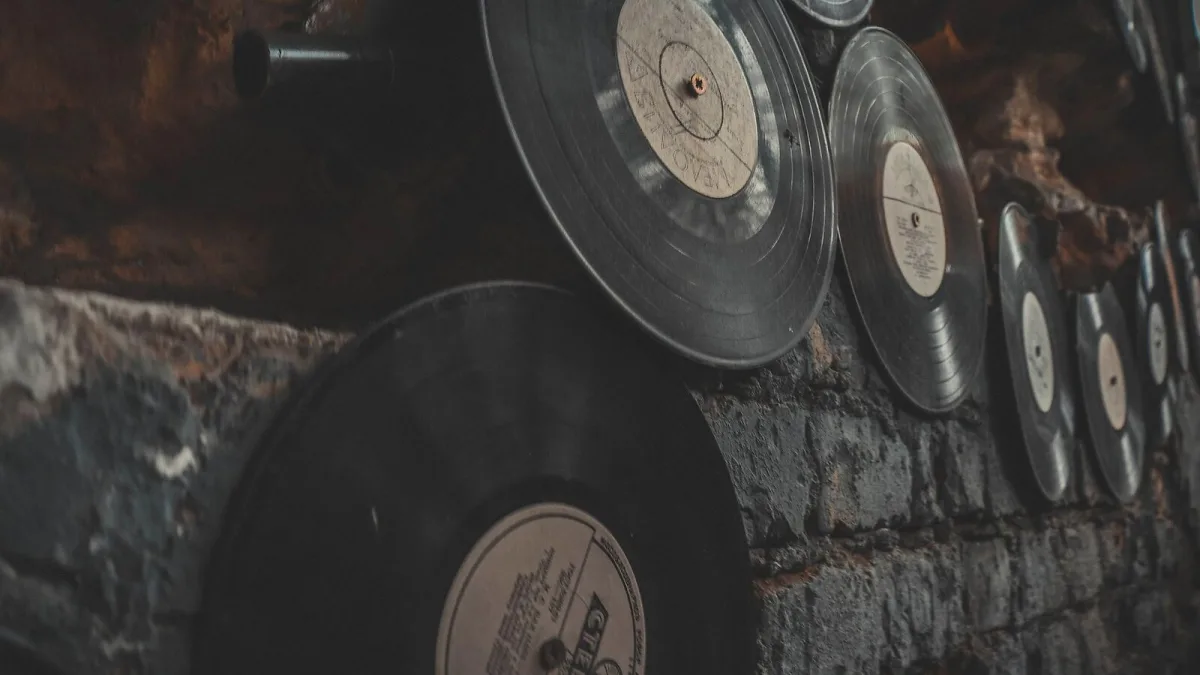
Albums tell you more about a genre's social history than any singles chart ever could, and that's especially true here — you can trace the whole journey from stigmatised barrio music to global sound just by lining up the right handful of bachata albums in order. This is that list, with the story behind each one, not just a name and a year.
Bachata Rosa — Juan Luis Guerra (1990)
If you only ever listen to one record from this list, make it this one. Released in 1990, it's widely regarded as the moment the genre stopped being a punchline in polite Dominican company and started being taken seriously by the wider Latin music industry. That shift didn't happen because of one album alone — it built on decades of musicians who came before Juan Luis Guerra — but the album's title track, and the record's reception as a whole, gave the sound a legitimacy it had never had. Our full history piece covers the wider context around this moment properly.
Confesiones — Monchy & Alexandra (early 2000s)
Monchy & Alexandra were the sound of clean, radio-friendly, thoroughly traditional bachata at the turn of the millennium, and Confesiones is the record most often pointed to as their finest hour. It's romantic without being saccharine, and it's a genuinely useful reminder that plenty of the genre's best work stayed close to its roots even as other artists were busy modernising things elsewhere.
The Last — Aventura (2009)
Aventura spent most of the 2000s fusing the traditional guitar-and-percussion base with R&B and pop production, and The Last is widely seen as the album that cemented that crossover before the group went on hiatus. It's a genuinely important record among bachata albums from this era, not because it reinvented anything overnight, but because it proved the fusion could sustain a full commercial career rather than just the odd hit single. Our guide to the artists behind these records goes deeper into Aventura's story.
Formula, Vol. 1 and Vol. 2 — Romeo Santos (2011 / 2014)
Once Romeo Santos went solo, his two-part Formula series became his most commercially significant work, leaning on high-profile collaborations across mainstream pop and hip-hop to push the sound further into rooms it had never really been in before. Between the two volumes, you can hear exactly how far a bachata record could travel from its Dominican roots while still sounding unmistakably like the genre underneath the production.
Prince Royce — Prince Royce (2010)
Prince Royce's self-titled debut took a different route to the same destination: a polished, pop-facing take on the sound aimed squarely at English-speaking listeners, built around a bachata reworking of the soul classic “Stand By Me.” It's a useful reminder that this genre's international spread wasn't a single story — there were several routes out, and this was one of the more commercially effective ones.
What Actually Makes an Album "Essential"
It's worth being honest about the criteria here, because "essential" gets thrown around too loosely in genre writing. A record earns its place on a list of bachata albums for one of three reasons: it changed how the wider industry and public saw the genre, it captured a particular era's sound at its most fully realised, or it opened a genuinely new audience that hadn't been listening before. Bachata Rosa ticks the first box, Confesiones the second, and The Last, the Formula records and the Prince Royce debut between them tick the third in three quite different ways. None of them are "essential" simply because they sold well — plenty of forgettable records have sold well too.
How These Bachata Albums Fit Together
| Album | Artist | Why it matters |
|---|---|---|
| Bachata Rosa | Juan Luis Guerra | The mainstream respectability turning point |
| Confesiones | Monchy & Alexandra | Traditional-leaning romantic bachata at its peak |
| The Last | Aventura | The R&B-fused crossover fully realised |
| Formula, Vol. 1 & 2 | Romeo Santos | Solo-era global collaborations |
| Prince Royce | Prince Royce | A polished route into English-speaking markets |
Play them roughly in that order and the social history of the genre practically narrates itself — from a stigmatised regional sound to a set of records that sold, and still sell, well beyond the Dominican Republic.
Building Your Own Bachata Albums Shelf
Once you've worked through the five above, the natural next move is broadening out: our list of the essential songs pulls individual highlights rather than full records, and our guide to the subgenres explains why some of these albums sound so different from one another despite sharing a name. If you're still getting your bearings on the genre itself, start with our overview or our newcomer's guide first.
The Bottom Line
These bachata albums aren't just a greatest-hits list — they're chapter markers in a genre's fight for respect, and each one earned its place on this list for a reason grounded in that story, not just chart performance.


Comments