


Bachata article
Bachata Subgenres, Explained
No dance-school marketing here: the honest, plain-spoken breakdown of traditional, modern and sensual bachata, and where each one actually came from.
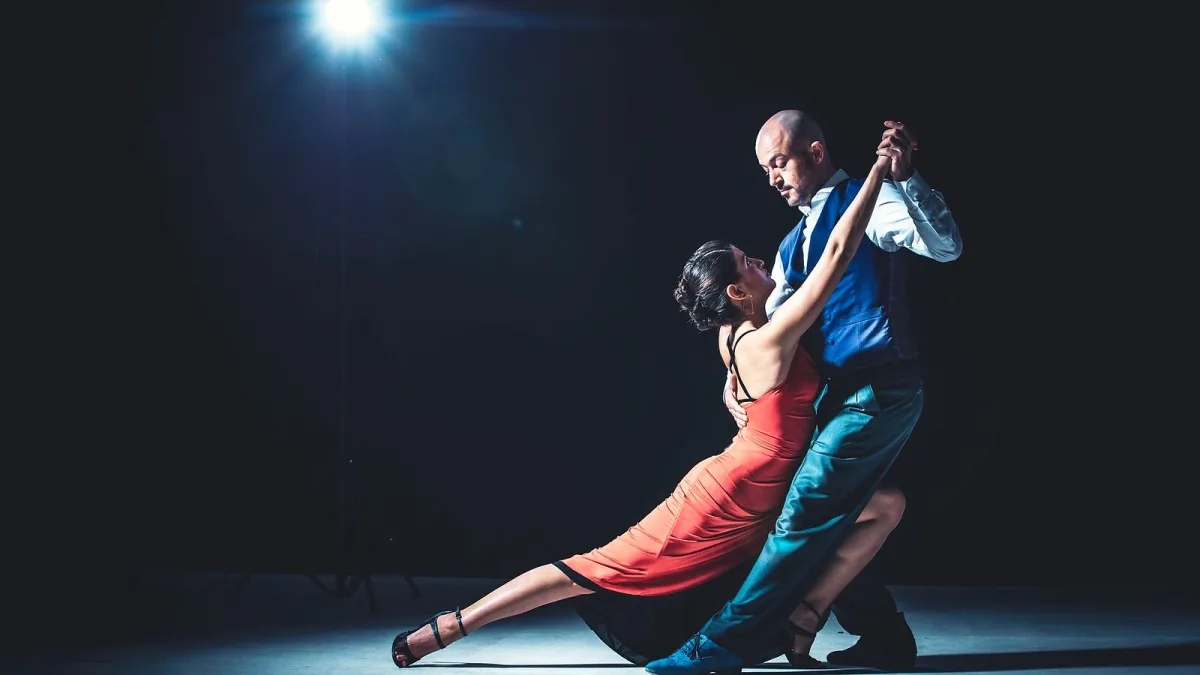
Right, let's clear something up straight away: there isn't one single "bachata" sound, and a lot of what gets posted online about bachata subgenres is dance-school marketing dressed up as history. Here's the plain, honest breakdown of the three real ones — traditional, modern and sensual — plus the rhythm terms that actually matter, without the hype.
How Many Bachata Subgenres Are There, Really?
Three, in any properly documented sense: traditional, modern and sensual. You'll occasionally see longer lists online promising five or six named bachata subgenres, usually invented by a single dance studio to sound authoritative. Treat those with suspicion. The three below are the ones with any real weight of usage behind them, and even those three get blurred together far more than they should.
Traditional (Dominican) Bachata
This is the original lane, sticking close to the genre's guitar-and-percussion roots: compact footwork, close attention to syncopation, and a direct relationship between the dancers' movement and what the requinto and güira are actually doing underneath. If you've only ever seen a flashy dance-floor version of this style, you haven't seen this one. It's smaller, sharper and rhythmically busier than most people expect.
Modern Bachata
This is where partner-work opens up — turns, more open positions, influences borrowed from salsa and tango. It keeps the traditional style's instrumental core but treats the dance side more like a broader Latin social dance vocabulary. A lot of what you'll see at a general Latin night falls somewhere in this camp, sitting comfortably between the traditional footwork and the newer style below.
Sensual Bachata
Here's the bit that needs saying plainly: sensual bachata is a newer, dance-world development built on body waves, isolations and dramatic partner connection — it is not the historical origin of the genre, whatever a slick studio advert implies. It grew out of the modern dance scene, not out of 1960s Dominican bars, and treating it as "the real thing" gets the history backwards. That doesn't make it illegitimate. It makes it a different, later branch, and it deserves to be understood as one rather than sold as the whole tree.
The Rhythm Patterns Dancers Argue About: Derecho, Majao and Mambo
You'll see these three terms thrown around as though they're a fixed, universally agreed system. They aren't, not quite. Derecho, majao and mambo are commonly used teaching and performance categories describing different rhythmic feels and intensities within a track, but the available documentation doesn't support treating them as an airtight taxonomy handed down from on high. Useful as working vocabulary, yes. Gospel, no.
| Style | Footwork & connection | Where it sits |
|---|---|---|
| Traditional | Compact, syncopated, close connection | The genre's Dominican roots |
| Modern | Open positions, salsa/tango-influenced turns | A broader Latin social dance bridge |
| Sensual | Body waves, isolations, dramatic connection | A later dance-world development |
Why the Labels Get Blurred Online
Dance studios sell classes, and "sensual" photographs and films better than compact traditional footwork, so it gets pushed hard in marketing — often at the expense of an accurate history. That's not a conspiracy, it's just commerce, but it means a newcomer searching for bachata subgenres online ends up with a skewed picture more often than not. Our history of the genre lays out the actual timeline properly, and it's worth reading alongside this piece rather than instead of it.
Do the Subgenres Sound as Different as They Look?
More than most newcomers expect, yes. A traditional recording built around tight requinto phrasing and a driving güira pattern will sit noticeably differently in the ear than a modern-leaning production aimed at a big open dance floor, even before a DJ starts favouring one style over another for a sensual-focused social. Knowing which of the three bachata subgenres you're actually hearing changes what you should be listening for — the instrumental interplay in traditional recordings, the arrangement choices in modern ones, and the production atmosphere in sensual-oriented tracks.
Which Style Should You Actually Learn First?
Traditional, honestly, if you want to understand the music rather than just move to it. It forces you to listen properly to the requinto and güira, which the more open modern and sensual styles let you get away with ignoring. That said, if your local scene only teaches one of the others, don't panic — our newcomer's guide covers exactly how to get started regardless of which door you walk through first.
The Bottom Line
None of these bachata subgenres is more "correct" than the others, but they aren't interchangeable either, and pretending otherwise does the genre a disservice. Know which one you're actually listening to or dancing, know roughly where it came from, and you'll get a lot more out of it than someone who just assumes it's all the same thing. For the full picture, our overview of the genre, our guide to the key artists, our rundown of the essential albums and our list of the songs worth hearing across all three styles all sit alongside this one.




Comments