


Acappella article
The History of Acappella
Same constraint, five hundred years apart, wildly different answers. Here's how unaccompanied singing kept reinventing itself.
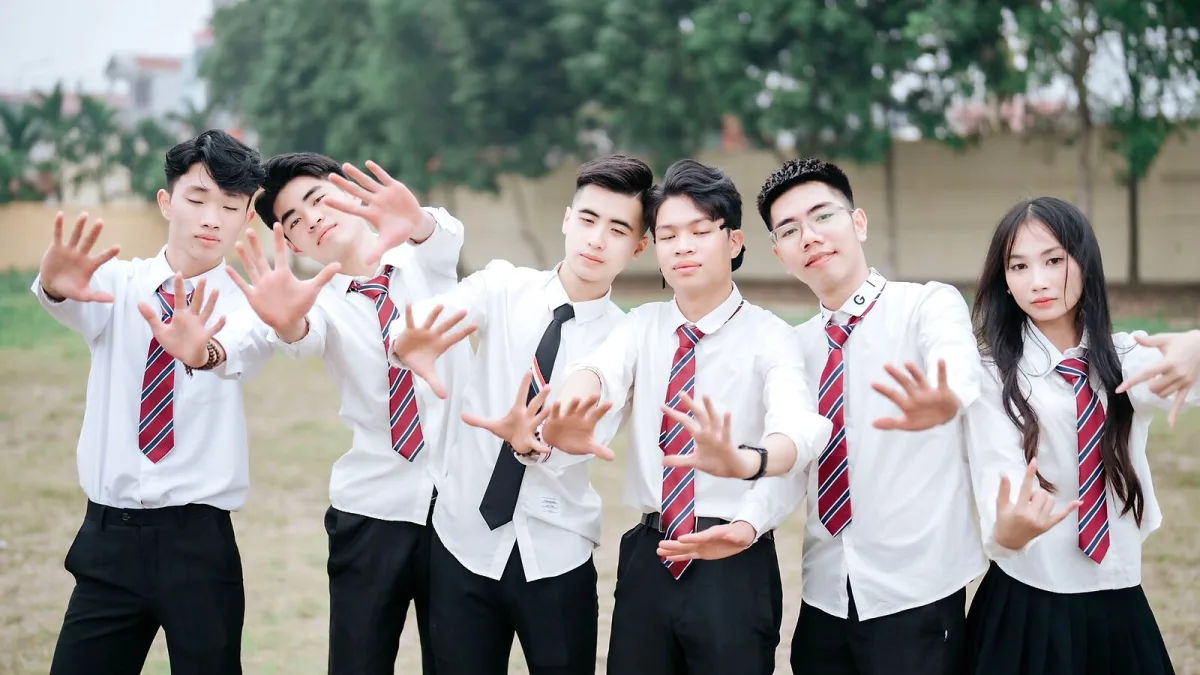
There's something rather lovely about the fact that a sound built entirely from the human voice has managed to stay relevant for over five centuries. A cappella history doesn't move in a straight line — it loops back through churches, street corners, university halls and YouTube, picking up new textures every time it resurfaces. Here's how the story actually goes.
The chapel where it got its name
Start in Renaissance Europe, because that's genuinely where the term comes from — Italian for "in the church style." Composers like Josquin des Prez and Giovanni Pierluigi da Palestrina were writing increasingly elaborate, interlocking vocal lines for churches with no instruments involved, prizing blend and balance above almost everything else. Palestrina's late-sixteenth-century work in particular is still held up as a high point of that unaccompanied choral tradition, and it's worth remembering that instruments occasionally doubled vocal lines even then — the "purity" story gets a bit oversimplified in retelling.
Gospel takes the sound somewhere completely different
Long before "a cappella" was a marketing word, African American church traditions were building an entirely separate lineage of unaccompanied group singing — call-and-response, powerful lead vocals, rich communal harmony. It's a direct ancestor of the gospel and doo-wop harmony that would later feed straight into barbershop and, eventually, contemporary pop a cappella.
Barbershop finds its four-part formula
Barbershop harmony crystallised around a specific formula: lead, tenor, baritone and bass, tuned so tightly the chords produce ringing overtones that sound almost like a fifth voice. It's a distinctly American, community-choir tradition — unglamorous in the best way, built on blend rather than star power, and it's quietly outlasted plenty of flashier genres.
The universities that kept it alive
Collegiate a cappella has its own underdog charm. Groups have been arranging pop songs for voices on campuses for well over a century, turning dorm-room harmonising into a genuine tradition with its own etiquette and rivalries long before anyone filmed it for television. This is where a lot of the modern vocabulary — vocal bass, vocal percussion, tight pop arrangements for four or five parts — actually got worked out, quietly, away from any spotlight.
Beatboxing changes the rhythm section entirely
At some point, someone worked out the mouth could do a passable drum kit impression, and contemporary a cappella hasn't been the same since. Vocal percussion — using lips, tongue and throat to imitate kicks, snares and cymbals — turned the beatboxer into the rhythmic engine of a modern group, doing a job no Renaissance composer could have imagined a voice performing.
Television finds an audience it didn't know existed
A cappella history's most recent chapter owes a great deal to television putting collegiate-style arrangements in front of a mainstream audience, turning what had been a niche, campus-bound scene into something people actively sought out. Groups built on beatboxing, vocal bass and tight pop harmony suddenly had a route to real commercial visibility that didn't exist a generation earlier.
What actually connects all of it
Here's the genuinely lovely bit: a Renaissance composer and a modern beatboxer are solving the exact same problem — how to make voices alone do everything an ensemble needs. Same constraint, five hundred years apart, wildly different answers. That's a cappella history in miniature, and it's why the tradition keeps finding new life instead of fading into a museum piece.
For the fuller cast of names across every era, our guide to the best a cappella artists to know fills in the detail, and if you want to hear how these traditions actually differ, our breakdown of a cappella subgenres is the natural next stop.


Comments