


Acappella article
Essential Acappella Albums Explained
No instrument to hide behind. Here's what made these unaccompanied vocal records genuinely essential, not just technically impressive.
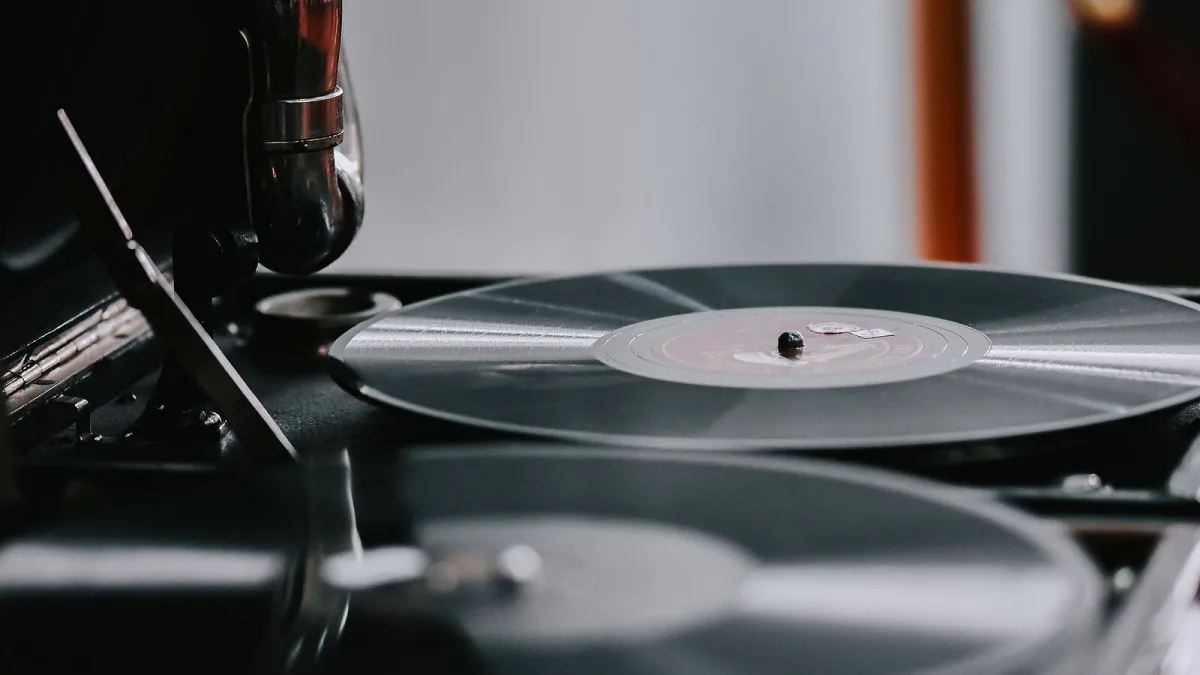
An a cappella album carries a risk no ordinary record does: there's nowhere for a weak arrangement to hide. No guitar fills the gaps, no drum groove papers over a shaky moment — it's voices, doing every job at once, in full view. That makes the genuinely essential a cappella albums worth celebrating properly, and worth understanding on their own terms rather than as a novelty next to "real" records.
Take 6's self-titled debut: gospel gets a jazz education
Take 6's 1988 self-titled debut is one of the genre's genuine landmark records, fusing gospel's vocal power with jazz harmony in a way that hadn't really been heard at that level before. It picked up serious industry recognition, including Grammy Award attention, and it proved a cappella could carry real harmonic sophistication rather than just technical novelty. If you want one album that shows what six unaccompanied voices are capable of harmonically, this is still the reference point.
Pentatonix's self-titled album: the chart-topping moment
Pentatonix's 2015 self-titled album mattered for a reason beyond the songs themselves — it demonstrated that a contemporary a cappella group could compete directly on the same commercial terms as any conventional pop act, reaching the very top of the mainstream album charts. It leaned hard on vocal bass and beatboxing to replace an entire rhythm section, arranged with enough polish that casual listeners often didn't clock there wasn't a single instrument on the record.
That's Christmas to Me: proof the format has mass appeal
Pentatonix's 2014 holiday record, That's Christmas to Me, became one of the best-selling Christmas albums of its era — a genuinely startling result for an unaccompanied vocal record competing against a Christmas market stuffed with full orchestral productions. It's worth sitting with that for a second: an entirely voice-built album out-performing records with actual sleigh bells and string sections. That's not a novelty result; that's proof the arranging and the voices were doing something a full band couldn't replicate.
What these albums actually have in common
None of them succeeded by sounding like a party trick. Each one treated the constraint — no instruments — as a creative problem to solve properly, not a gimmick to lean on. That distinction matters more than any chart position:
- Take 6's debut solved it with jazz-level harmonic complexity.
- Pentatonix's self-titled record solved it by rebuilding an entire pop rhythm section from voices alone.
- That's Christmas to Me solved it by proving the format could win on a mainstream stage built for full-band productions.
How a cappella records actually get made
Worth knowing before you go digging further: groups generally record one of two ways. A live ensemble take, captured together around one or two microphones, preserves natural blend and timing but leaves less room to fix individual mistakes afterwards. Recording section by section — basses, then leads, then harmony parts — gives far more editing control, at the cost of some of that natural group interaction. Most modern a cappella albums use some blend of the two, and it's genuinely part of why they can sound as polished as a fully produced band record despite using nothing but voices.
Keep exploring
If these records made you curious about the people behind them, our guide to the best a cappella artists to know fills in the wider cast, and our rundown of the best a cappella songs gets down to individual tracks.
The bottom line
The best a cappella albums earn their reputation the same way any great record does — strong material, disciplined execution, genuine creative ambition. The only difference is they do it with one instrument fewer than everybody else: the entire band.



Comments