


Acappella article
A Beginner's Guide to Acappella
No band behind you, just voices doing every job at once. Here's the honest beginner's rundown on what a cappella actually is.
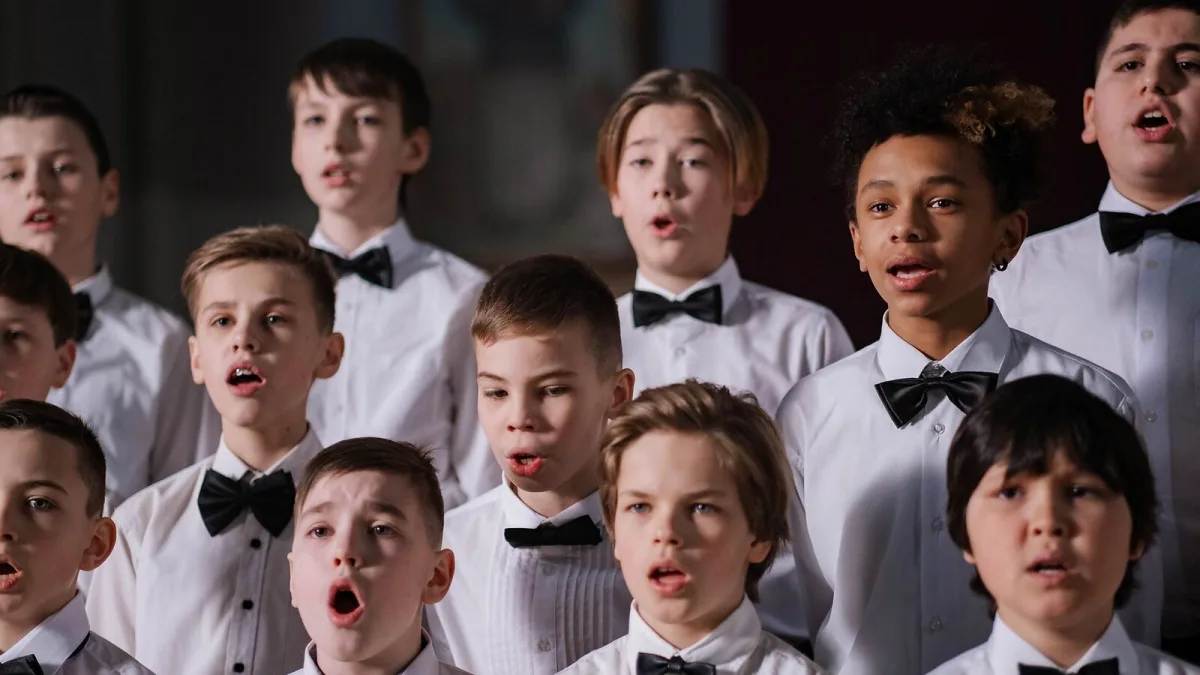
No instruments. No band behind you. Just voices doing every job at once. That's a cappella in one sentence, and it's a lot harder — and a lot more interesting — than it sounds. Here's the proper beginner's rundown: what it means, how it actually works, and where to start listening.
What "a cappella" actually means
The term is Italian for "in the chapel" or "in the church style", and it originally described unaccompanied vocal music sung in church. These days it just means voices with zero instrumental backing — a solo singer, a full choir, a barbershop quartet, a collegiate group, or a studio production built entirely from layered vocal tracks. You'll also see it spelled "acapella" or "acappella" informally; the two-word version is the standard form, but nobody's going to correct you for the shortcut.
The parts a voice has to play
Take away the instruments and the voices have to cover everything an instrument normally would. A typical contemporary group splits into functional roles:
- Lead — carries the main melody and lyrics.
- Harmony — fills in the chord tones and supporting lines.
- Bass — provides the low end and harmonic foundation.
- Vocal percussion or beatbox — imitates drums using the mouth, lips and throat.
- Texture and effects — sustained pads, riffs, breaths, clicks, anything that fills out the arrangement.
Every one of those jobs is doing something an instrument would normally handle. That's genuinely the whole trick of it — and why it's unforgiving of anyone slacking on tuning.
A very short history
Unaccompanied singing goes back centuries across many cultures, but the Western classical strand usually starts with Renaissance church music. Composers like Josquin des Prez and Giovanni Pierluigi da Palestrina wrote increasingly elaborate interlocking vocal lines for churches, without instrumental accompaniment — the tradition that gave the term its name. From there, the sound spread far beyond the chapel: gospel, barbershop, doo-wop, vocal jazz, collegiate groups and today's beatbox-driven contemporary scene all count.
The main traditions you'll come across
| Tradition | What defines it |
|---|---|
| Choral | Blend, vowel matching, collective intonation, from simple unison to complex motets |
| Barbershop | Four close-harmony parts — lead, tenor, baritone, bass — with ringing overtones |
| Contemporary | Pop, rock and R&B songs rearranged for voices, often with beatboxing |
| Vocal jazz | Extended harmonies, scat singing and improvisation |
| Gospel | Call-and-response, powerful lead vocals, rich group harmony |
Why it's harder than it looks
Without an instrument to lock onto, a group has to establish and hold its own tonal centre for the entire performance. Drift sharp or flat as a group and there's nothing to pull you back — no bass note, no chord from a piano. That's precisely why rehearsal discipline, active listening and clean vowel matching matter so much more here than in a band with instrumental backing.
Where to actually start listening
Don't try to take in every tradition at once. A sensible path:
- Listen to a barbershop quartet for a clear example of close, ringing harmony.
- Try a contemporary group to hear vocal bass and beatboxing doing an instrument's job.
- Go back to Renaissance polyphony for the tradition the whole term is named after.
Three very different sounds, same basic principle: voices alone, doing all the work.
The bottom line
A cappella isn't one style — it's a constraint that produces wildly different results depending on who's singing and what they're trying to do with it. Once you can hear the difference between a lead, a harmony line and vocal percussion, you'll never listen to a group the same way again. For the fuller cast of names worth knowing, see our guide to the best artists to know, and for how the sound has changed over centuries, read our history of a cappella.




Comments