


Acappella roundup
The Best Acappella Artists to Know
No instruments to hide behind. These a cappella artists built their reputations the honest way, one arrangement at a time.
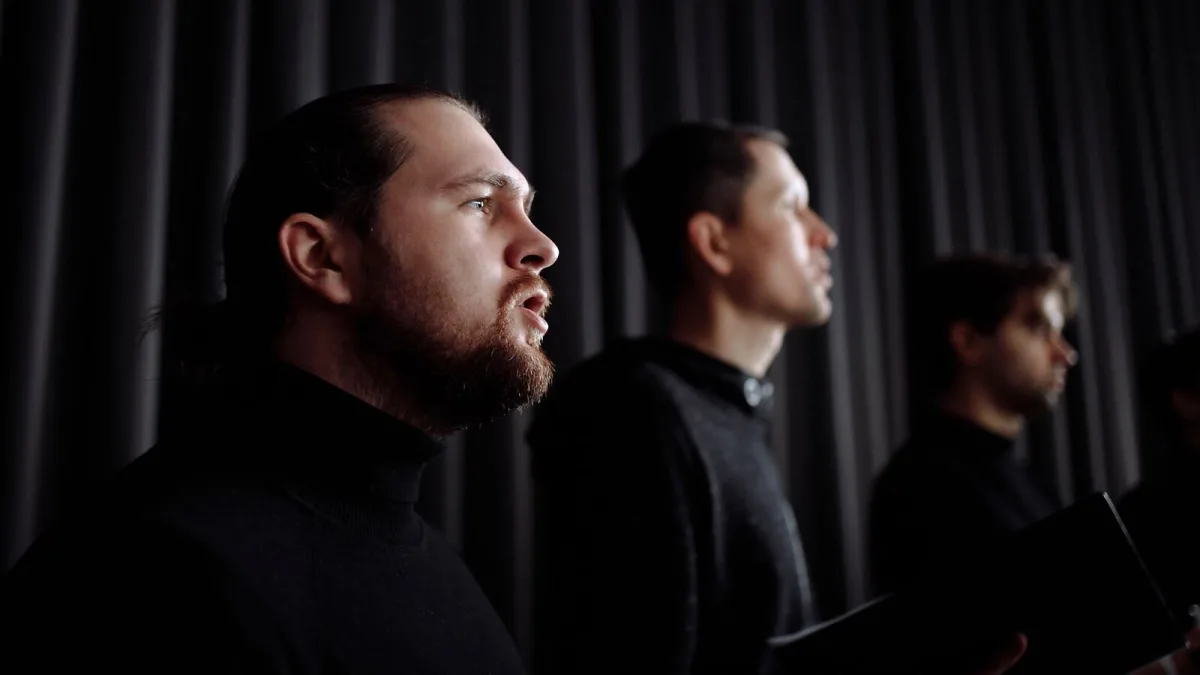
Let's cut through the fluff. Nobody gets famous singing a cappella by accident — every name on this list built something real, usually the hard way, often without a single instrument to hide behind. Here are the a cappella artists actually worth your time, and why.
The composers who built the template
Before there were groups, there were composers writing for unaccompanied voices in Renaissance churches. Josquin des Prez is generally credited as central to the emergence of that mature polyphonic style in the late fifteenth century, and Giovanni Pierluigi da Palestrina's late-sixteenth-century church music became something close to the gold standard for vocal counterpoint and balance. You don't need to be into classical music to respect what they were doing — writing music with absolutely nowhere to hide.
Take 6: gospel harmony done properly
Take 6 fused gospel's vocal power with jazz-inflected harmony and became one of the most decorated a cappella groups going, picking up Grammy Award recognition across their career. Quincy Jones was an early and vocal champion of theirs, which tells you plenty about the level of musicianship involved. If you want proof that a cappella can be genuinely sophisticated harmonically, not just impressive as a technical trick, start here.
The King's Singers: the long game
Formed at King's College, Cambridge, in 1968, The King's Singers have spent decades proving that six unaccompanied voices can cover an enormous stylistic range — early music, folk arrangements, contemporary commissions, pop covers — with the same polish throughout. They're the group other vocal ensembles measure themselves against when it comes to blend and versatility, and they've earned that reputation the unglamorous way: touring constantly, for a very long time.
Rockapella: doing the unglamorous graft on television
Rockapella built genuine name recognition the hard way — through the theme song for the children's game show Where in the World is Carmen Sandiego?, and later a run of Folgers coffee adverts. It's not the most obviously "cool" route to fame, but it put a full a cappella group's actual sound into millions of households who'd never have sought it out otherwise, and that's not nothing.
Straight No Chaser: the comeback nobody planned
Straight No Chaser started as a college group at Indiana University in the 1990s and could easily have stayed a graduation-photo memory. Instead, an old video of their "12 Days of Christmas" arrangement went viral years later, and the reaction was strong enough to land them an actual record deal. It's a properly unglamorous, un-manufactured success story — no label plan, just a good arrangement finding its audience the honest way.
Home Free: proving country works a cappella too
Home Free took country music — a genre built on guitars, fiddles and pedal steel — and rebuilt it convincingly with nothing but voices and vocal percussion. Winning a national television singing competition gave them the platform, but it's the arranging work that's kept them relevant since, translating a fundamentally instrumental genre into something that works with zero instruments at all.
Where these artists actually fit
| Artist or group | Known for |
|---|---|
| Josquin des Prez / Palestrina | Founding the Renaissance unaccompanied choral tradition |
| Take 6 | Gospel harmony with jazz sophistication |
| The King's Singers | Decades of stylistic range and blend |
| Rockapella | Mainstream television exposure |
| Straight No Chaser | Viral collegiate comeback story |
| Home Free | Country music arranged for voices alone |
The bottom line
None of these a cappella artists got there by accident, and none of them had an instrument to hide behind if the arrangement wasn't good enough. That's the honest appeal of the whole scene — you hear exactly how good the singing and the arranging actually are, with nothing covering for it. For the wider history behind these names, read our history of a cappella, and if you're new to the genre entirely, our beginner's guide is the place to start properly.



Comments