


Acappella roundup
The Best Acappella Songs Right Now
Strip a song down to voices alone and you find out fast whether it was ever really about the production. These pass that test convincingly.
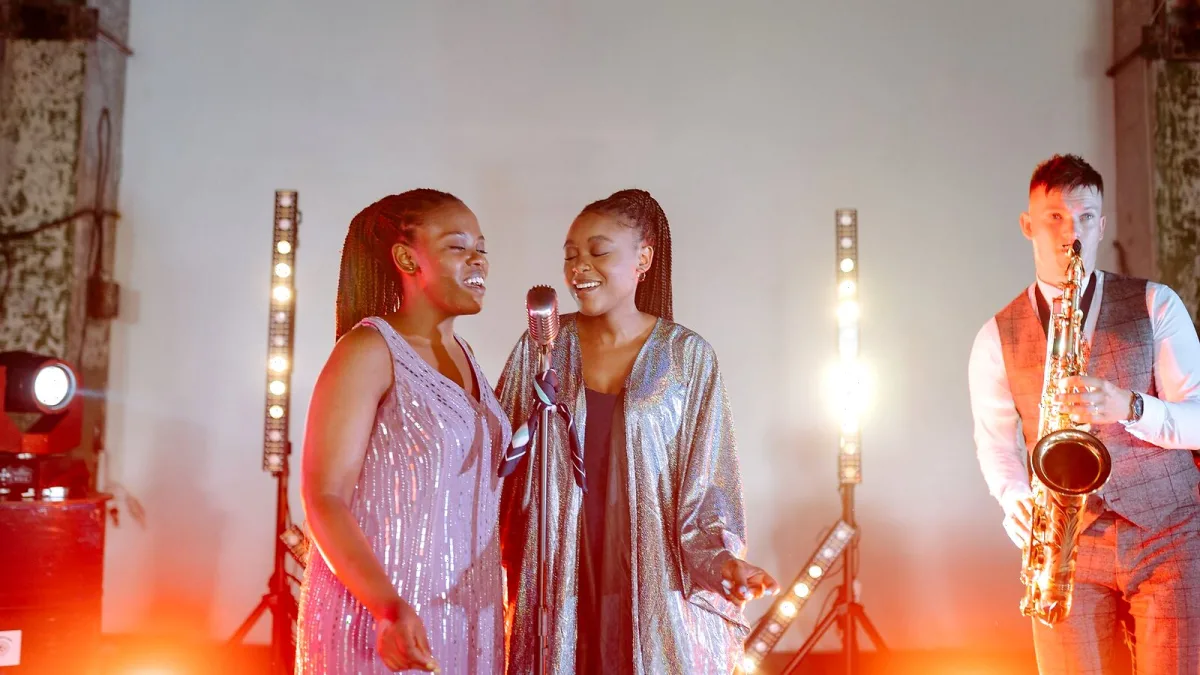
Strip a song down to voices alone and you find out fairly quickly whether it actually works as a piece of writing, or whether it was leaning on production the whole time. The best a cappella songs pass that test convincingly — some by rebuilding a familiar track from nothing, others by making something entirely new feel inevitable. A few genuinely deserve the "right now" tag, and a few have simply never stopped being relevant.
The cover that redefined what a cover could be
Pentatonix's arrangement of Leonard Cohen's "Hallelujah" is the clearest example of what happens when a song this well-worn gets handed to a group that treats vocal bass and beatboxing as a genuine substitute for a full band. It doesn't just recreate the original's mood — it rebuilds the entire arrangement from scratch using only what five voices can produce, and the fact that it still lands emotionally says everything about how strong the underlying songwriting was to begin with.
The viral moment nobody planned
Straight No Chaser's take on "The Twelve Days of Christmas" is proof that a cover can travel in ways nobody predicts. An old video of a college group's holiday arrangement resurfaced years after it was filmed, spread far beyond anyone involved expecting it to, and ended up being the reason the group got signed to a major label. It's not a polished studio moment — it's genuinely a bit chaotic — and that's exactly why it worked.
The Christmas single that out-charted full productions
Pentatonix's "Mary, Did You Know?" sits in a slightly different category: a genuinely reverent, carefully arranged reading of a modern carol that became one of the group's signature recordings. It's a useful reminder that a cappella doesn't have to mean "impressive trick" — sometimes it just means the most emotionally direct way to deliver a song, stripped of anything that might get in its way.
Proving a genre built on guitars can survive without them
Home Free's cover of Johnny Cash's "Ring of Fire" takes a song built entirely around a distinctive horn line and rebuilds that hook using nothing but voices — vocal percussion standing in for the rhythm section, vocal bass carrying the low end that would normally come from an upright bass. It's a genuinely clever bit of arranging, translating a fundamentally instrumental genre's signature sound into something a five-piece vocal group can pull off live.
What actually separates a great a cappella song from a gimmick
Every track above solves the same basic puzzle differently, but they share one thing: none of them ask you to grade on a curve because there's no band. The arranging has to be genuinely inventive, the vocal parts have to function like real instruments, and the performance has to sell it convincingly. Take any of that away and you're left with a novelty rather than a song.
- "Hallelujah" (Pentatonix) — proves a cover can rebuild, not just replicate.
- "The Twelve Days of Christmas" (Straight No Chaser) — proves a cappella songs can go viral on charm alone.
- "Mary, Did You Know?" (Pentatonix) — proves restraint can be the most powerful choice.
- "Ring of Fire" (Home Free) — proves even a guitar-driven genre translates.
Where to go next
If these performances have you curious about the groups behind them, our guide to the best a cappella artists to know covers their wider work, and our look at essential a cappella albums puts these songs in their fuller context.
The bottom line
The best a cappella songs never feel like a novelty once you actually listen closely. They're just songs, built from a genuinely limited toolkit, that happen to prove the songwriting and the arranging were strong enough to survive having every instrument taken away.




Comments