


Acappella article
Acappella Subgenres, Explained
Lump a Renaissance choir in with a beatboxing collegiate group and you've missed the point. Here's every lane, no fluff.
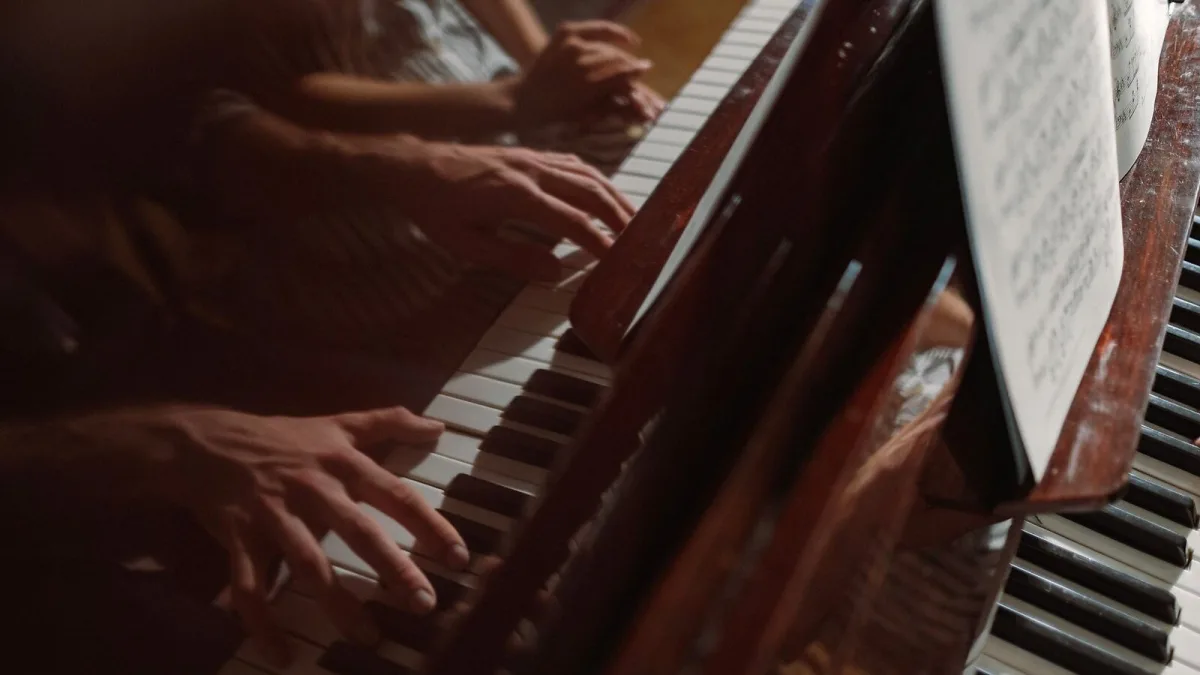
"A cappella" gets used like it's one thing. It isn't. Lump a Renaissance choir in with a beatboxing collegiate group and you've missed the point entirely. Here's every major a cappella subgenre worth knowing, broken down properly across the a cappella subgenres that actually matter, no fluff.
Choral
The broadest category, and the oldest. Blend over showmanship. Vowel matching, collective intonation, one big instrument made of many voices rather than individual personalities standing out. Ranges from simple unison singing to genuinely complex Renaissance-style motets.
Barbershop
Four parts, tightly tuned: lead, tenor, baritone, bass. Done right, the chords ring with overtones that sound like a fifth voice appearing out of nowhere. It's a community tradition first, a performance style second — built on blend, not stardom.
Contemporary and collegiate
Pop, rock and R&B songs rearranged for voices, usually built around functional roles: lead, harmony, vocal bass, vocal percussion. This is the lane that produced beatboxing as a serious rhythmic tool rather than a party trick, and it's the one most people mean when they say "a cappella" now without thinking about it.
Quick tells
- Vocal bass standing in for an actual bass guitar
- Beatboxing doing the drummer's job
- Pop or rock songs, not hymns or standards
Vocal jazz
Extended harmonies, scat singing, rhythmic displacement, improvisation. Harder than it sounds — you need to hold your own part solidly before dense jazz chords and improvised lines make any sense at all. Not a beginner's lane.
Gospel
Call-and-response, powerful lead vocals, rich communal harmony. A direct line runs from gospel through doo-wop into modern barbershop and pop a cappella — this tradition did a lot of the heavy lifting that later styles get more credit for.
Beatbox-driven
Not really a separate genre so much as a technique that reshaped everything above it. Vocal percussion — lips, tongue and throat imitating a full drum kit — turned one singer into the rhythmic engine of an entire group. Once this became standard, contemporary a cappella stopped sounding like a novelty and started sounding like a real rhythm section.
Why a cappella subgenres actually matter
Judge a barbershop quartet by contemporary pop standards and you'll miss what makes it good. Judge a vocal jazz group like they're doing barbershop and you'll wonder why nothing resolves neatly. Know which lane you're listening to, and you'll actually hear what the singers are trying to achieve instead of grading them against the wrong scoreboard.
| Subgenre | What defines it |
|---|---|
| Choral | Blend and collective intonation over individual showmanship |
| Barbershop | Four tightly tuned parts producing ringing overtones |
| Contemporary/collegiate | Pop songs rearranged with vocal bass and beatboxing |
| Vocal jazz | Extended harmony, scat singing, improvisation |
| Gospel | Call-and-response with powerful communal harmony |
Want names to go with each lane? Our guide to the best a cappella artists to know covers exactly that, and if you're brand new to all of this, our beginner's guide is the place to actually start.
The bottom line
Five genuinely different a cappella subgenres, one shared constraint: no instruments, ever. That constraint is doing more work than most listeners give it credit for — it's the reason a cappella keeps producing wildly different sounds instead of collapsing into one predictable style.



Comments