


Sound System roundup
The Best Sound Systems for the Money
No invented product tests — just an honest, tier-by-tier look at what entry-level, mid-range and professional sound systems actually offer for the money.

"Best" is a strange word to apply to a sound system, because the right one for a wedding speech and the right one for a touring rock band have almost nothing in common. Rather than pretend to have benchmarked specific boxes against each other, here's an honest, tier-by-tier look at what your money actually buys at each level.
What This Roundup Is (and Isn't)
Specifications, drivers and electronics change constantly between manufacturers and model years, so naming individual products and claiming to have tested them side by side would be more marketing than useful advice. What's more genuinely useful is understanding what each price bracket typically gets you, so you can judge any specific product against a realistic baseline.
Entry Level: Personal and Portable Rigs
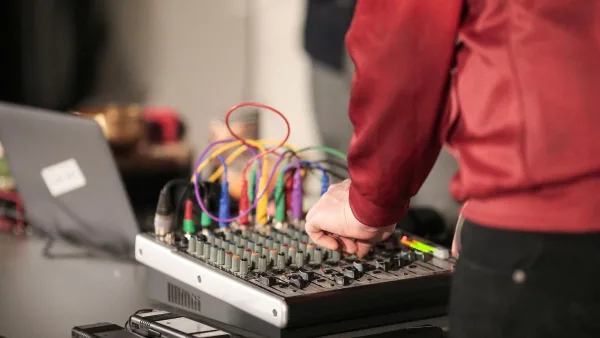
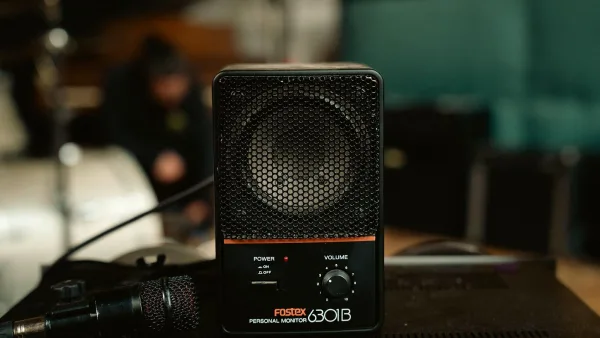
At the budget end, an entry-level sound system typically means one or two powered full-range speakers, a basic built-in or small external mixer, and simple connectivity. This tier suits speeches, solo acoustic performers, small classes and background music perfectly well — it isn't a compromise for those uses, it's the right tool. What varies most here is build quality and how gracefully the speaker handles being pushed near its limit; cheaper units tend to distort or strain sooner.
Mid-Range: Small-Band and Venue Systems
Step up to a mid-range sound system and you typically get proper full-range mains, the option to add a subwoofer, dedicated stage monitors, and a more capable mixer with better EQ and routing. This tier is where most working pub, club and small-venue setups genuinely live — it's built to handle a small band or a DJ night reliably, night after night, rather than the occasional one-off event.
Professional: Large-Format Concert Rigs
At the top end, a professional-grade sound system means line-array or high-output point-source mains, subwoofer arrays, digital mixing consoles with scene recall, dedicated amplifier and DSP platforms, and often in-ear monitoring for performers. This tier assumes trained operators, proper rigging and measurement tools — it's built for festivals, touring productions and large halls, not a first purchase for a hobbyist.
Tier Comparison
| Tier | Typical setup | Best suited to |
|---|---|---|
| Entry / portable | 1–2 powered speakers, simple mixer | Speeches, solo acts, small classes |
| Mid-range / venue | Full-range mains, subwoofer option, monitors, capable mixer | Pubs, clubs, small worship spaces, regular bands |
| Professional / concert | Line arrays, subwoofer arrays, digital console, DSP | Festivals, touring shows, large halls |
What Actually Determines Value at Any Tier
- Maximum SPL and headroom — how loud it can go before distorting, not just its wattage rating.
- Frequency response and dispersion — how evenly it covers the room, not just how it sounds standing right in front of it.
- Build and reliability — how it holds up to being transported, set up and struck repeatedly.
- Support and spares — whether replacement parts and technical support are actually available when something fails.
A well-specified mid-range rig from a reputable manufacturer will usually outperform an over-inflated budget option claiming huge wattage figures — the number on the box has never been a reliable guide on its own.
Matching the Tier to the Gig
Choosing the right sound system tier matters more than chasing the biggest numbers. Buying above your actual needs wastes money and adds gear you'll struggle to transport and store; buying below them means straining equipment and disappointing an audience. If you're still working out which tier fits your situation, our complete buyer's guide walks through the exact questions to ask before spending anything. New to running one at all, our beginner's guide is the place to start, and our overview guide covers the terminology if any of this feels unfamiliar.




Comments