


Sound System article
Sound System Explained: Features, Types and Tips
From a wedding speaker on a stand to a festival's line array, here's what a sound system actually is, and the honest pros and cons of the main options.

Ask five different people what a sound system is and you'll likely get five different answers — a stack of PA speakers at a wedding, the rig behind a touring band, or even the bass-heavy reggae rigs that grew up in Kingston dancehalls. They're all valid. This guide sorts out what the term actually covers, the gear involved, and the honest pros and cons of the main options.
What Is a Sound System, Exactly?
In the everyday sense used across live music and events, it's the full chain of gear that gets audio from a source to an audience's ears. The signal moves in a fairly predictable path: a source (microphone, instrument or playback device) into a mixer, through some processing, out to an amplifier, and finally to loudspeakers. Get any one link wrong and the whole chain suffers, no matter how good the rest of the kit is.
The Core Building Blocks
Strip any rig back and you'll find the same handful of jobs being done:
- Sources — microphones, DI boxes, instruments, playback devices or wireless systems feeding the signal in.
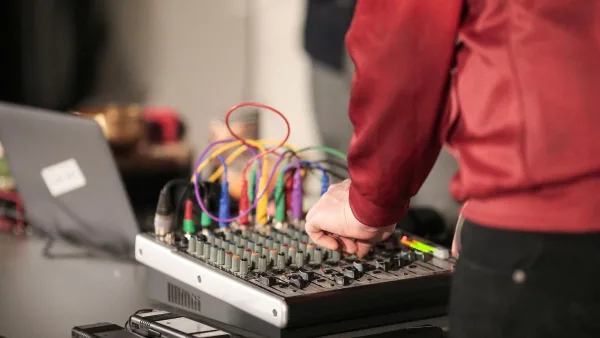
- The mixer — handles gain, EQ, routing and separate mixes for the audience and the performers on stage.
- Amplification — either built into the speaker (powered) or supplied separately (passive).
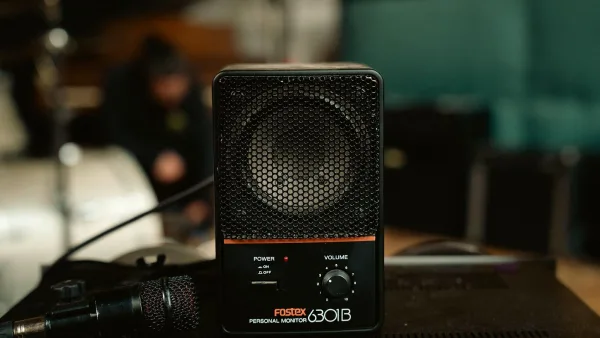
- Loudspeakers — split into "mains" facing the audience and "monitors" facing the performers, so everyone hears what they need to hear.
Whether it's a single portable speaker for a speech or a full concert rig, that's the same basic shape every time; only the scale changes.
Powered vs Passive Speakers: Straight Talk
| Powered (active) | Passive | |
|---|---|---|
| Amplifier | Built in | Separate, needed externally |
| Setup | Simpler, fewer boxes to carry | More flexible, but needs matching amp power and impedance |
| Best for | Small-to-mid gigs, mobile use | Installed systems, touring rigs with a dedicated amp rack |
Neither option is objectively "better" — it genuinely comes down to how much you're carrying, how often you're setting up, and whether you already own amplifiers you'd rather keep using.
Types of Sound System, by Scale
The gear that suits a small speech is nowhere near what a festival stage needs, and knowing roughly where you sit on that scale saves a lot of wasted money:
| Scale | Typical use | Typical kit |
|---|---|---|
| Personal / portable | Speeches, solo acoustic acts, small classes | One or two powered speakers, small mixer, a mic or two |
| Small-band / venue | Pubs, cafés, community halls, small worship spaces | Two mains, a subwoofer if needed, monitors, mixer, DI boxes |
| Large-format concert | Festivals, touring shows, big halls | Line arrays or high-output mains, subwoofer arrays, digital consoles, in-ear or wedge monitoring |
A Different Meaning Worth Knowing: The Jamaican Sound System
It's worth flagging that "sound system" has a second, culturally significant meaning. In Jamaica, the term describes a DJ- or selector-led setup of turntables, amplifiers and custom-built speaker cabinets, with roots tracing back to the early 1950s. Figures like Clement "Coxsone" Dodd and Duke Reid ran competing sound systems that helped shape ska, rocksteady and reggae, with a lasting emphasis on heavy bass that later fed into dub, hip-hop and drum and bass. Technically it overlaps with a PA rig, but socially and musically it's its own tradition.
Where to Go From Here
Once you know roughly what scale you need, the practical questions start: what to check before buying, what actually connects your first system together, and which habits to avoid picking up. Our complete buyer's guide covers what matters when choosing one, and if you're setting one up for the first time, our step-by-step setup guide walks through it properly. New to all this, start with our beginner's guide, and once you're up and running, our list of common mistakes to avoid is worth a read before they become habits. Curious what's worth the money at each budget, see our roundup by price tier.




Comments