


Sound System article
Common Sound System Mistakes to Avoid
No sales pitch here, just the honest list of habits that trip up sound system setups again and again, and the straightforward fix for each one.
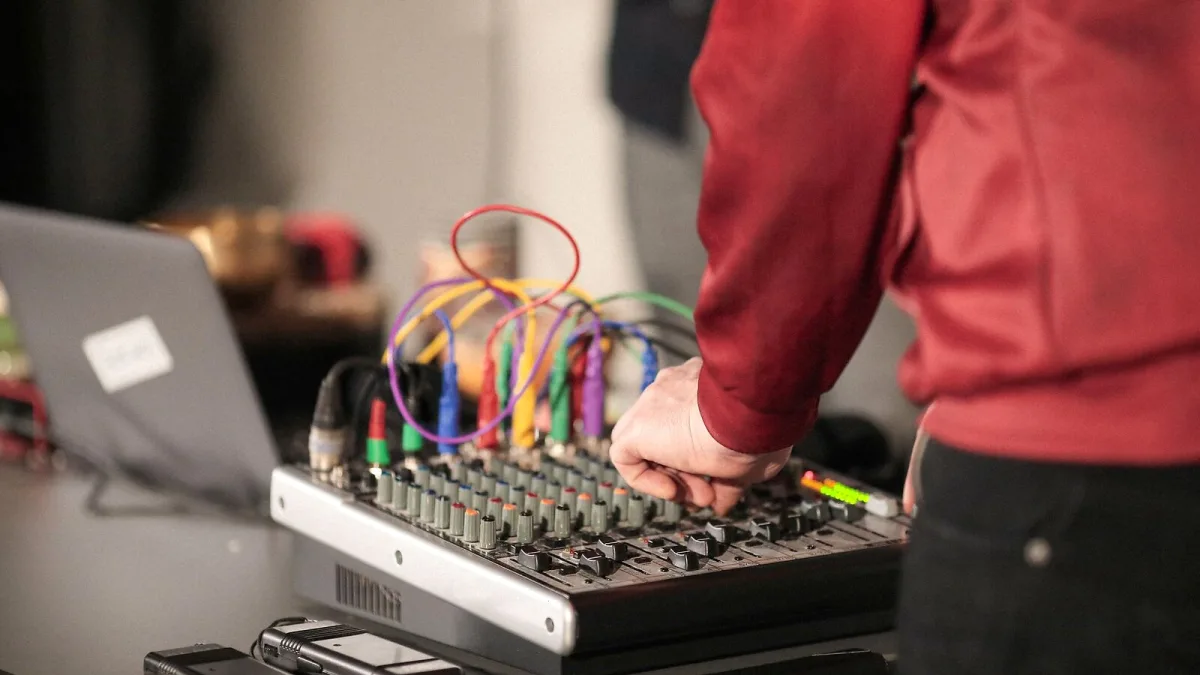
Right, straight talk. Most problems people have running a sound system aren't down to bad gear — they're the same handful of habits, over and over, in venues up and down the country. Here's the honest list, no sales pitch attached.
Mistake 1: Buying by Wattage Alone
Wattage figures aren't measured the same way across manufacturers, so a bigger number on the box doesn't reliably mean a louder or better-sounding sound system. Fix: look at maximum SPL, frequency response and how the speaker handles being pushed hard, not just the headline wattage.
Mistake 2: Not Enough Mixer Inputs
Running out of channels mid-event, with a musician standing there holding an unconnected cable, is entirely avoidable. Fix: count every source you'll ever realistically plug in and buy a mixer with a couple of spare channels beyond that number.
Mistake 3: Setting Gain Wrong From the Start
Pushing the fader up to compensate for low gain, or leaving gain too hot and clipping the input, are both common and both sound bad in different ways. Fix: set gain properly on a live source before you touch a single fader, every single time.
Mistake 4: Pointing Microphones at Speakers
This is the single most common cause of feedback, and it's completely avoidable with a bit of forethought. Fix: keep microphones behind and away from the main speakers, and never let a mic sit directly in a monitor wedge's coverage.
Mistake 5: Turning Amplifiers On First
Powering up amplifiers or powered speakers before the mixer risks sending a loud, damaging pop straight to the speakers. Fix: mixer on first, amplifiers or powered speakers on last — and reverse that order when you switch everything off.
Mistake 6: Skipping the Feedback Ring-Out
Finding your problem frequencies live, in front of an audience, is a rough way to learn where they are. Fix: before anyone arrives, bring the volume up slowly with a live mic and note, then gently cut, any frequency that starts to ring.
Mistake 7: Ignoring Cable Management
Signal cables run parallel to power cables for their full length is a classic, needless source of hum. Fix: cross power and signal cables at right angles where they must meet, and keep them separated everywhere else.
Mistake 8: Assuming Bigger Venues Just Need "Turning Up"
Cranking the same small sound system louder for a bigger room doesn't fix uneven coverage, and it can push the system into distortion long before it reaches everyone. Fix: bigger spaces need more or better-placed speakers — sometimes delay speakers further back — not just more volume from the same source.
The Bottom Line
None of these sound system mistakes need better gear to fix — they need the right habits, built in from the start. If you're setting one up for the first time, our step-by-step setup guide covers the correct order to do everything above. Brand new to all this, our beginner's guide is the place to start, and if you're shopping for new gear, our buyer's guide covers what actually matters when choosing it.




Comments