


Sound System roundup
Sound System: A Complete Buyer's Guide
Wattage on the box tells you almost nothing. Here's the practical checklist for buying a sound system that actually does the job you need it for.
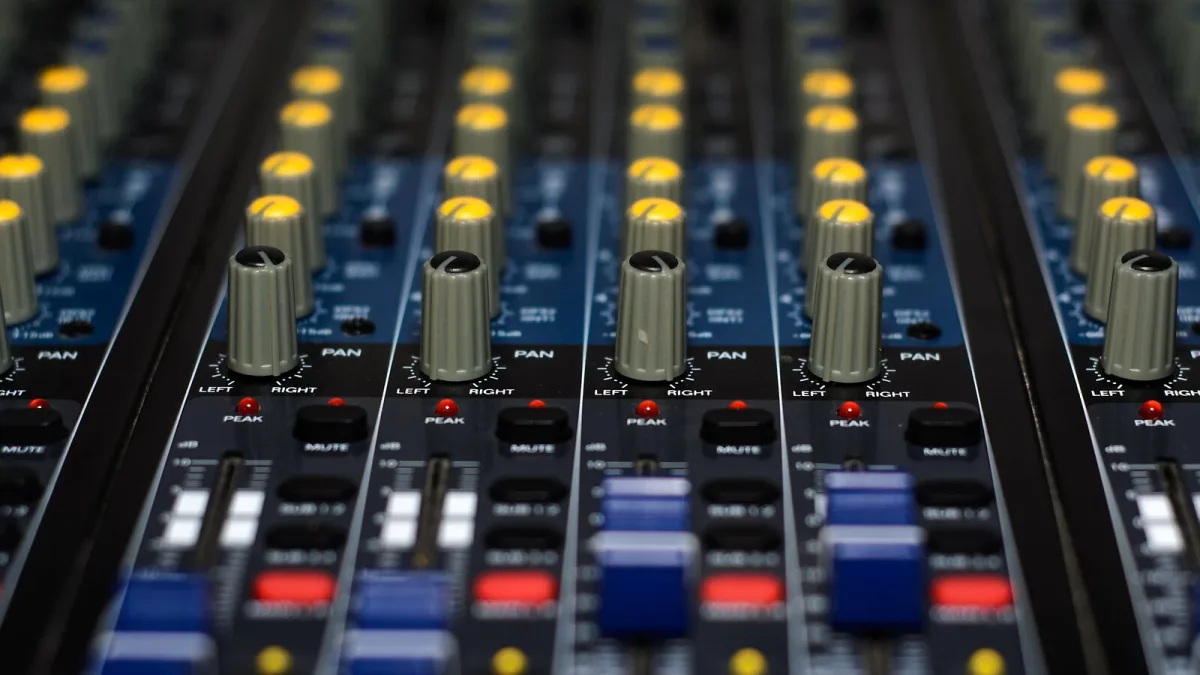
I've sat behind enough desks in Southampton's pubs and clubs to know exactly how a sound system purchase goes wrong: someone buys on wattage and finish colour, then finds out on the night that it can't cover the room or handle the number of microphones they actually need. Let's fix that before you spend anything.
Start With the Job, Not the Gear
Before you look at a single spec sheet, answer these:
- How big is the audience, and how big is the room or outdoor space?
- Is it mostly speech, acoustic music, a full band, or DJ playback?
- Does the material need real bass extension, or is intelligibility the priority?
- Indoors, outdoors, or both?
- Do you need it portable, or is it staying in one place?
Everything else — speaker size, mixer channels, power source — falls out of these answers when you're choosing a sound system. Skip this step and you'll end up guessing.
Don't Buy on Wattage Alone
This is the single most common mistake I see. Wattage figures aren't tested consistently between manufacturers, so a "500W" speaker from one brand can genuinely outperform a "1000W" speaker from another. Maximum SPL, frequency response, dispersion pattern and how gracefully a speaker handles being pushed hard all matter more than the number printed on the box. If a spec sheet only gives you wattage and nothing else, treat that as a red flag rather than a selling point.
Count Your Sound System Inputs Before You Shop
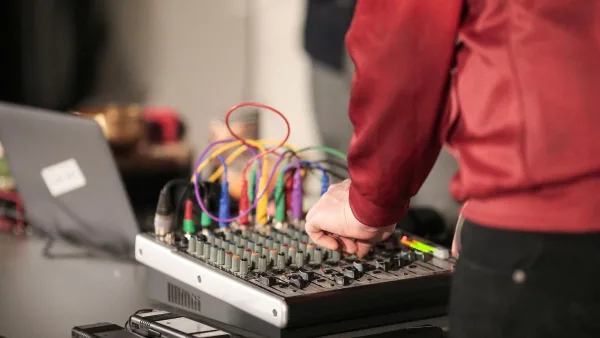
Work out how many sources you'll actually plug in — vocal mics, instrument mics, DI boxes for guitars and keyboards, a playback device — then buy a mixer with a couple more channels than that number. Running out of inputs mid-event is a genuinely avoidable headache, and it's far cheaper to buy the right channel count once than to add a second mixer later.
Powered or Passive: The Buying Angle
For a first purchase, powered (active) speakers are usually the sensible choice: the amplifier is already built in, there's less to carry, and there's no amplifier-to-speaker matching to get wrong. Passive speakers make more sense once you already own amplifiers, or you're building a larger installed or touring rig where centralised amplification is genuinely useful.
Do You Need Monitors?
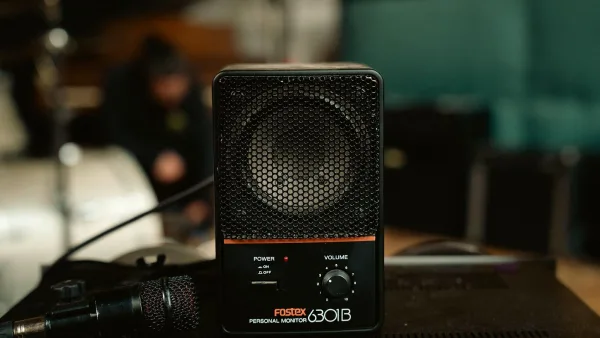
If performers can hear the main speakers clearly from where they stand, dedicated monitors may not be essential for a small setup. Once you've got a full band or anyone singing over a loud stage volume, a monitor or two facing the performers usually earns its keep quickly — it's far easier to sing in tune when you can actually hear yourself.
New or Secondhand Sound System: What to Check
| Option | What you get | Check before buying |
|---|---|---|
| New | Warranty, predictable performance, current features | Real specs beyond wattage; return policy |
| Secondhand | Better value, often lightly used from touring or hire stock | Speaker cone condition, amplifier faults, connector wear, a live test if possible |
A Quick Buying Checklist
- Audience size and venue dimensions confirmed
- Indoor, outdoor, or both accounted for
- Enough mixer inputs for every source, plus spare
- Powered or passive decided based on how you'll actually use it
- Monitors included if performers need to hear themselves
- Portability and power source (mains or battery) matched to how you'll transport and use it
- Specs checked beyond wattage: SPL, frequency response, dispersion
Bringing It Together
Buy your sound system for the job you actually have, not the biggest numbers on the box, and you'll end up with something that genuinely does what you need. For the full picture on how all the pieces fit together, our overview guide covers the terminology and the gear in more depth. Once you've bought, our step-by-step setup guide gets you from boxes to a working rig, and it's worth reading our list of common mistakes before your first gig. If you want tier-by-tier recommendations rather than a general checklist, see our roundup of the best options for the money.




Comments