


Sound System article
Sound System for Beginners: A Complete Guide
A mixer and a couple of speakers looks daunting the first time. Here's the plain-spoken beginner's version of what's actually going on.
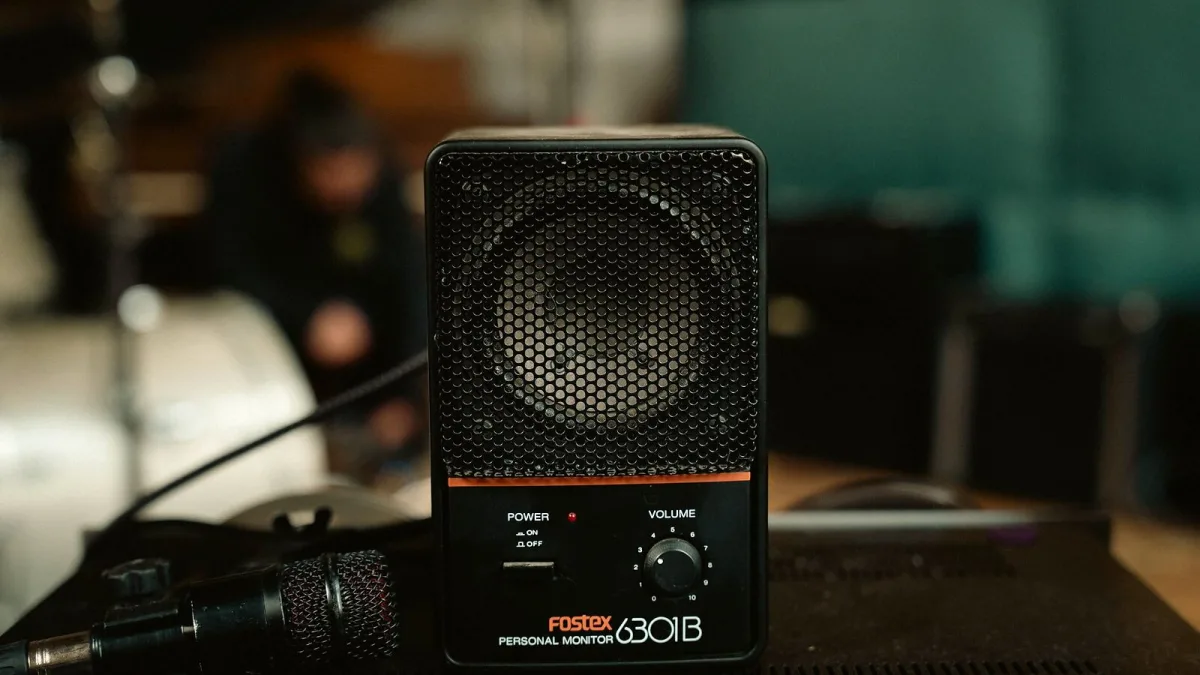
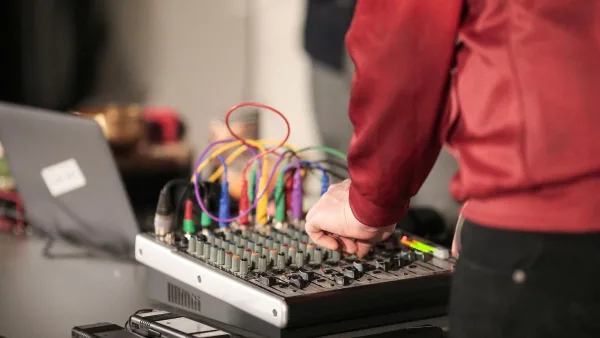
Staring at a mixer, a couple of speakers and a tangle of cables for the first time is genuinely daunting — I remember it well. But every sound system, big or small, is really just four simple jobs done in sequence, and once that clicks, the intimidating bit of gear on the table stops being scary. Here's the plain-spoken version for someone starting from nothing.
The Only Four Things a Sound System Does
Forget the model numbers and spec sheets for a minute. Every setup, however big, is doing exactly this:
- Something makes the sound in the first place — a microphone, an instrument, a playback device.
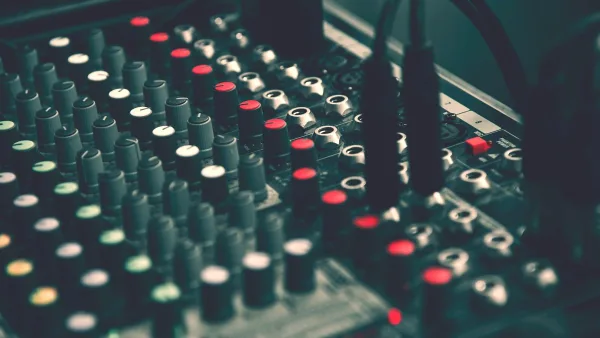
- The mixer takes that signal and lets you control and shape it.
- An amplifier makes the signal big enough to drive a speaker.
- The speaker turns that signal back into sound the audience can hear.
That's it. Everything else is detail on top of those four jobs.
What to Actually Own for Your First Sound System
You genuinely don't need much to get started:
- One or two powered speakers, so the amplifier is already built in and one less thing to worry about
- A small mixer, or one built into the speaker if it has enough inputs for your needs
- A couple of decent cables and a microphone if you'll be speaking or singing
- A speaker stand, if you're not just placing it on a table
Powered speakers are the friendliest starting point precisely because they cut out the whole question of matching an amplifier to a speaker — something that trips up plenty of people much further into this hobby than you are now.
Two Words You'll Hear Constantly: Gain and Feedback
Gain is simply how much the mixer boosts a signal before it reaches the fader. Get it too low and everything sounds thin and quiet even with the fader all the way up; get it too high and things distort and crackle unpleasantly. As a beginner, aim for a healthy, clear level on your gain control before you touch the fader at all.
Feedback is that horrible howling or ringing sound, caused when a microphone picks up sound coming from a speaker, sends it back through the system, and the loop feeds on itself. It's not a fault, and it's not embarrassing — it happens to everyone starting out. The fix is almost always distance and angle: point the microphone away from the speaker, and don't stand a mic directly in front of one.
Your First Sound System Session, Realistically
Don't try to learn everything on the night you actually need it to work. Instead:
- Set it up somewhere low-pressure first — your living room, a quiet hall, anywhere you can experiment without an audience watching.
- Plug in one source at a time and get comfortable with what the gain and fader for that one channel actually do.
- Deliberately walk a microphone too close to a speaker so you hear feedback happen and learn what causes it, in a setting where it doesn't matter.
- Only once one source feels comfortable, add a second and practise a simple mix between them.
Don't Worry About These Yet
Once you start researching your first sound system, it's tempting to read about line arrays, cardioid subwoofer arrays and digital snapshot recall and feel like you're missing something. You're not. Those are large-venue, professional concerns that simply don't apply at the scale you're starting at, and worrying about them now just adds noise to what's actually a simple set of skills to build.
Where to Go Next
Once the basics of gain and feedback feel comfortable, our step-by-step setup guide walks through wiring everything together properly, and our list of common mistakes to avoid is worth reading before they become habits. Thinking about what to buy next, our buyer's guide covers exactly what to check, and our overview guide fills in the wider terminology whenever you're ready for it.




Comments