


Percussion Instruments roundup
The Best Percussion Instruments for the Money
Forget top-ten lists of specific products — here's how to work out the right category and tier of percussion instrument for what you actually need.
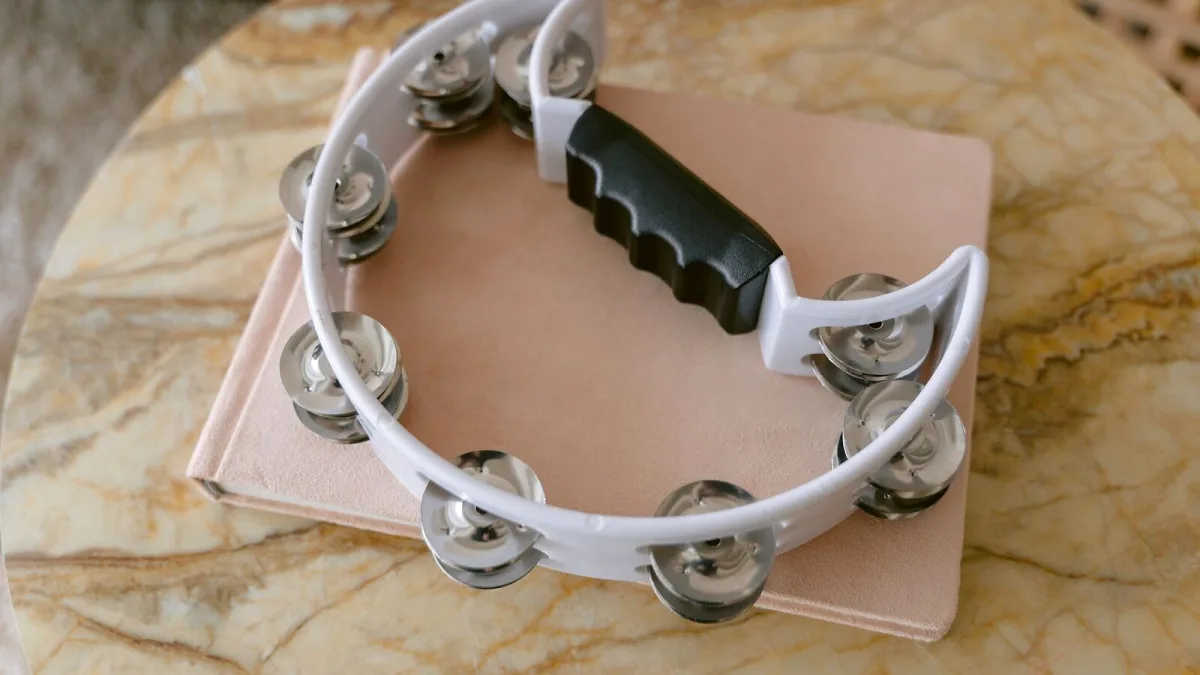
There's no single "best" percussion instrument — anyone who tells you otherwise is selling something. What there is, though, is a best option for a specific job, budget and player, and that's true across the whole family of percussion instruments, not just drums. So instead of a top-ten list of specific products, here's how I'd point different people towards the right category and tier of percussion instruments for their money, based on what they actually need it to do.
Best for an Absolute Beginner on a Tight Budget
A shaker, tambourine or pair of claves costs next to nothing and teaches genuinely useful skills — timing, dynamics and groove — without demanding much technique to get a decent sound. It's the smartest possible entry point if you're not yet sure percussion is for you, and every penny of it still gets used once you move on to something bigger.
Best All-Rounder Hand Drum
Between a cajón and a djembe, most people get more mileage from a cajón: it doubles as a seat, needs no stand, and covers kick-and-snare-style rhythms that suit an enormous range of acoustic and singer-songwriter styles. A djembe rewards more dedicated technique and has a richer traditional repertoire behind it, so it's the better pick if you're specifically drawn to hand-drumming as its own discipline rather than as backing for other instruments.
Best Starter for Orchestral or School Percussion
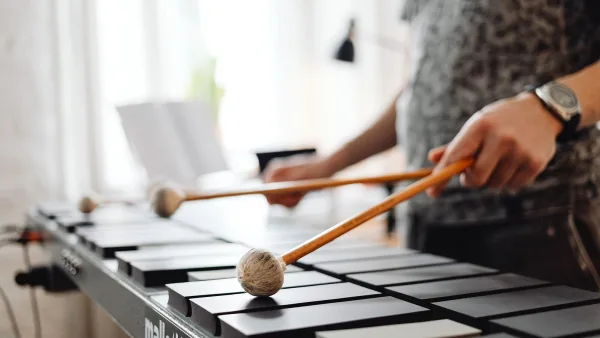
Snare drum, bells and xylophone remain the standard combination for a reason: between them they cover sticking technique, reading rhythm notation, and basic pitch organisation, which is exactly the foundation orchestral and band programmes are built around. It's not an exciting purchase, but it's the one that actually sets you up for everything that follows.
Best Value if You're Going Electronic
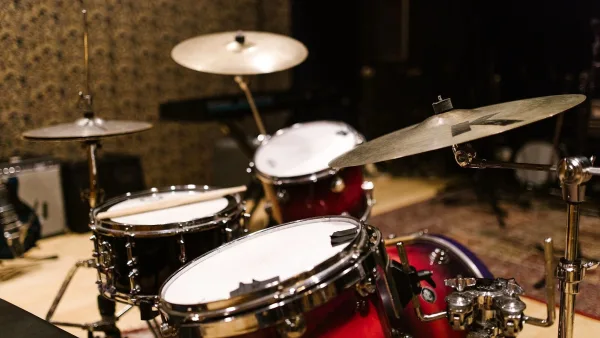
A modest electronic pad or hybrid trigger setup gets you volume control, headphone practice and recording flexibility that acoustic percussion instruments simply can't match at a similar price. It won't fully replace the feel of skins and shells forever, but as a practical, neighbour-friendly starting point — especially for drum kit players in flats or shared houses — it's genuinely hard to beat.
Best Upgrade Once You've Outgrown the Basics
When a beginner instrument starts holding you back rather than teaching you, the smartest upgrades tend to be the boring-sounding ones: better heads, a proper set of cymbals chosen by ear rather than by size alone, or a well-tuned mallet instrument with consistent bars across its whole range. These improvements change how an instrument actually feels to play far more than a cosmetic finish upgrade ever will.
A Word on Hype and "Best Of" Lists
Be wary of any list of percussion instruments that ranks them purely by brand name or price tag. Tone is subjective, rooms differ, and a "best" pick for a touring drummer's cymbal set-up can be entirely wrong for a bedroom producer layering hand percussion into a track. Treat rankings as a starting shortlist to audition, not a verdict to buy on trust.
Matching Tier to Player
| Tier | Best suited to | What you're paying for |
|---|---|---|
| Entry-level | Absolute beginners, casual players | Basic playability, low risk if it's not for you |
| Mid-range | Regular practisers, gigging hobbyists | Better hardware, more consistent tuning and tone |
| Professional | Working musicians, dedicated students | Premium materials, refined build, long-term durability |
The Bottom Line
Buy for the role you actually need filled, not the tier that sounds most impressive. A mid-range cajón played every day beats a professional marimba gathering dust in a corner. If you want the specific checks to run before buying, our complete buyer's guide covers that in detail, our overview of the whole family explains how the categories fit together, and if you're just starting out, our beginner's guide is the friendliest next stop.




Comments