


Percussion Instruments article
Common Percussion Instruments Mistakes to Avoid
Small, easily-missed habits cause most of the problems I see with percussion instruments. Here's what to watch for and how to fix it.
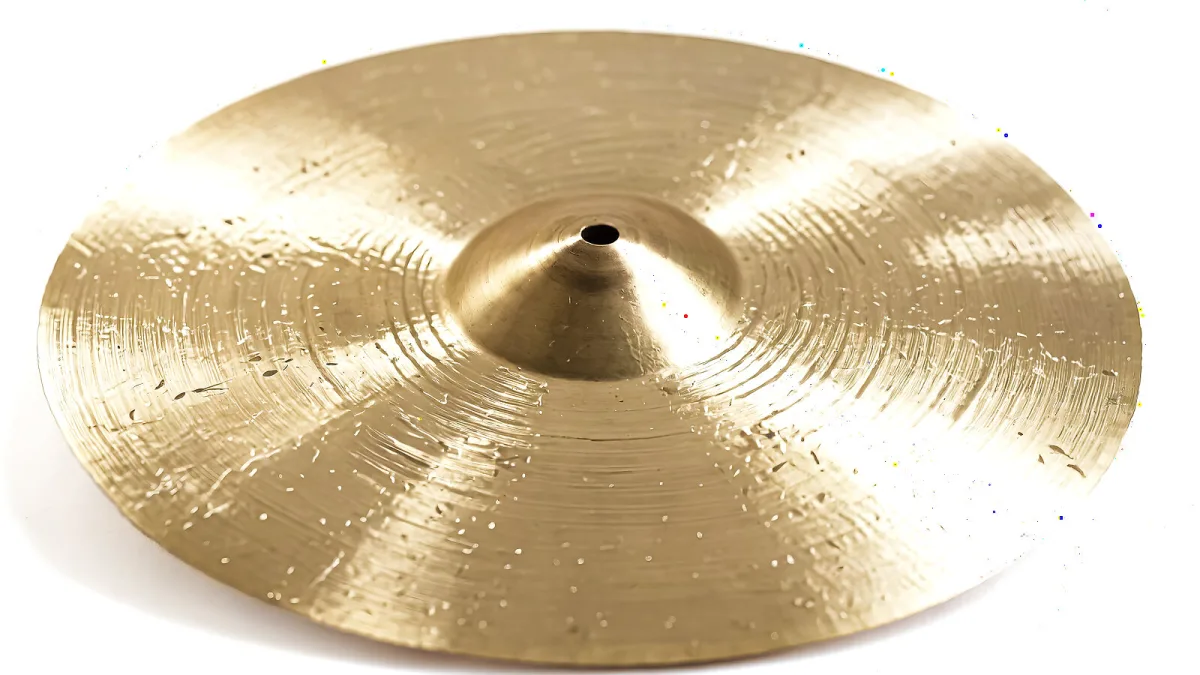
Percussion instruments are forgiving to pick up but surprisingly easy to mistreat, mostly because problems build up slowly rather than announcing themselves. I've seen the same handful of mistakes turn up across drums, hand percussion and mallet instruments alike. Here are the ones I see come round again and again, and the quick fixes for each.
Mistake 1: Choosing by Sound Alone, Not Role
An instrument that sounds gorgeous on its own in a shop can sit badly in a mix or an ensemble — too much sustain, the wrong frequency range, or a character that fights everything else going on. Always think about the role a percussion instrument needs to fill in context, not just how it sounds in isolation.
Mistake 2: Ignoring Head Tension and Tuning
An out-of-tune drumhead is one of the most common, and most fixable, problems around. Uneven tension across the lugs causes warbling overtones and inconsistent response, yet it takes a few minutes with a drum key to sort properly. Don't blame the instrument for a problem that's actually just tuning.
Mistake 3: Using the Wrong Beater or Mallet
A hard beater on a delicate mallet instrument, or a soft mallet where you actually need a sharp attack, can make a perfectly good instrument sound wrong. Beaters and mallets aren't an afterthought — they're part of the instrument's actual sound, and it's worth owning more than one option.
Mistake 4: Skipping the Metronome
It's tempting to skip the "boring" metronome work and jump straight to playing along with music. Resist it. Timing problems that get baked in early are much harder to unlearn later than they are to avoid from the start, on any percussion instrument from a snare drum to a shaker.
Mistake 5: Poor Storage and Humidity Control
Natural-skin heads, wooden shells and mallet-instrument bars are all sensitive to humidity and temperature swings. Leaving instruments in a damp garage, a hot car boot or right next to a radiator causes warping, cracking and tuning instability that's often irreversible. A case and a sensible storage spot cost far less than the repair.
Mistake 6: Assuming Louder Is Always Better
In an ensemble, the percussionist who can play convincingly quiet is usually more valuable than the one who can only play loud. Hitting everything as hard as possible doesn't showcase skill — it usually just drowns everyone else out and flattens the dynamics of the whole piece.
Mistake 7: Treating All Percussion Instruments the Same
A membranophone and an idiophone need genuinely different care and technique — what works for tuning a drumhead does nothing for a xylophone bar, and the grip that suits a snare stick isn't right for a shaker. Lumping every percussion instrument you own into one generic maintenance and practice routine is how small, type-specific problems get missed.
Quick Reference
| Mistake | Better approach |
|---|---|
| Buying on sound alone | Think about role and context first |
| Ignoring tuning | Check and even out head tension regularly |
| Wrong beater or mallet | Own a few options, match to the sound needed |
| Skipping the metronome | Build steady timing from the start |
| Poor storage | Use a case, avoid damp and heat extremes |
| Playing too loud, always | Practise controlled, quiet dynamics too |
The Bottom Line
Most of these mistakes cost nothing to fix — they just take a bit of awareness. Get the fundamentals right and almost any decent instrument from across the percussion instruments family will serve you well for years. For the wider picture, our overview of percussion instruments explains how the whole family fits together, our buyer's guide covers what to check before you buy, and if you're just starting out, our beginner's guide is the place to begin.






Comments