


Percussion Instruments roundup
Percussion Instruments: A Complete Buyer's Guide
Skip the history lesson: here's a straight-talking walk through what actually matters when you're choosing and checking a percussion instrument.
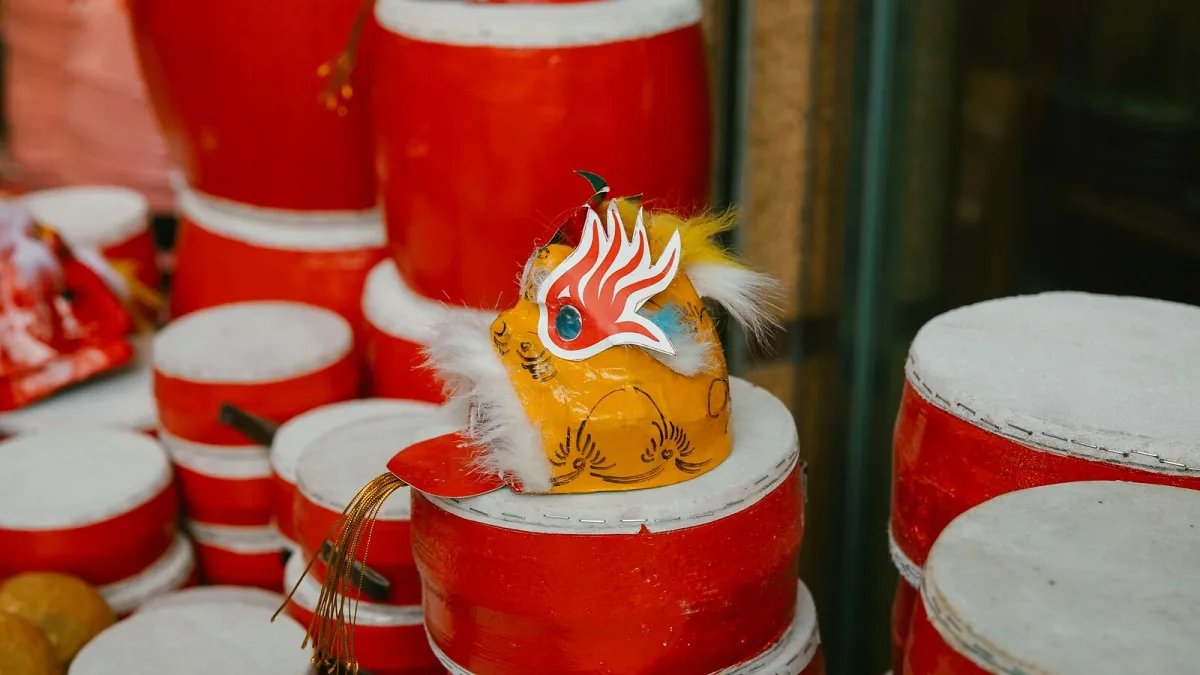
Right, let's skip the history lesson and get to the bit that actually matters: which percussion instruments should you actually spend your money on, and what should you be checking before you hand it over? Percussion instruments cover such a wide range of gear that "just buy the nice-looking one" is a genuinely bad plan. Here's how I'd talk a mate through it in the shop.
Start With the Job, Not the Shop Window
Before you look at a single instrument, work out what you actually need it for: rhythm section work, orchestral colour, melodic lines, accompaniment, or home recording. That answer narrows a huge, sprawling category down to a handful of sensible options fast, and it stops you buying something gorgeous that's completely wrong for what you play.
Acoustic or Electronic?
Acoustic percussion instruments give you the real, room-filling sound and generally hold their value better. Electronic gear wins on volume control, headphone practice and studio flexibility. If you live somewhere with thin walls, or you're recording at odd hours, electronic or hybrid options are worth serious consideration rather than an afterthought.
Buying Drums: What to Actually Check
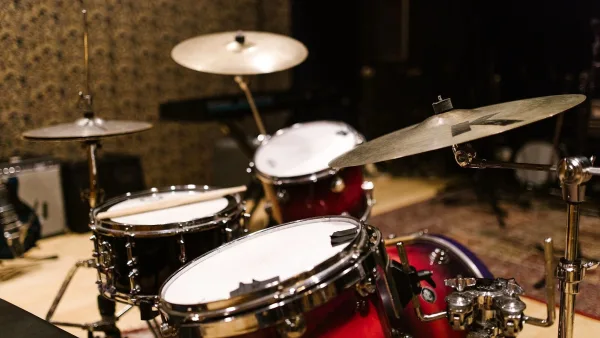
Whether it's a snare, a tom or a full kit, look past the finish and check the fundamentals:
- Shell construction and bearing edges — poorly cut edges kill resonance no matter how nice the wood looks.
- Head condition — dented or overly worn heads need replacing almost immediately, so factor that cost in.
- Hardware — lugs, hoops and stands should feel solid, not loose or rattly.
- Tuning range — try tuning the head up and down to hear how the shell actually responds.
Buying Cymbals and Metal Percussion
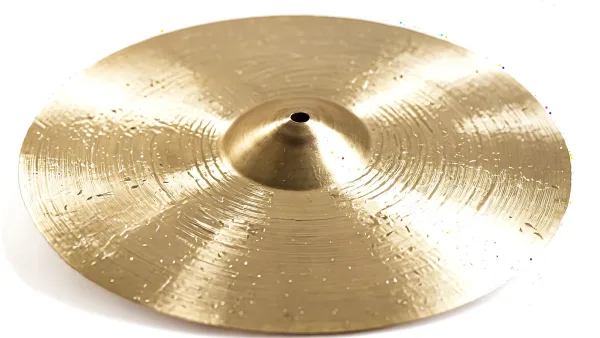
Don't buy cymbals from a spec sheet — listen to them. You want sustain that suits the music, a balanced set of overtones, a clean stick response and no harsh, unpleasant frequencies jumping out. Two cymbals of an identical size and alloy can sound genuinely different, so hearing before buying matters more here than almost anywhere else in percussion.
Buying Mallet Instruments
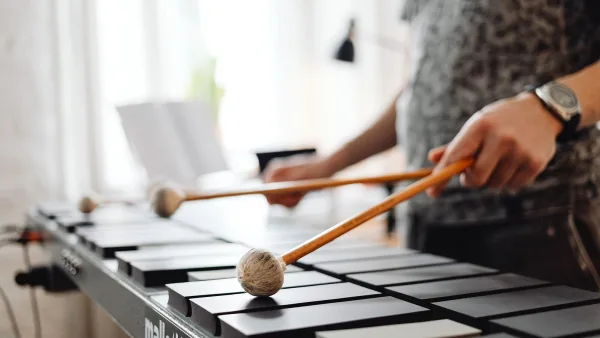
Xylophones, marimbas, vibraphones and glockenspiels live and die by a few specific checks: bar alignment, tuning consistency across the full range, resonator condition, and frame stability. On a vibraphone, also test the pedal mechanism properly — a sticky or noisy pedal is expensive to sort out later and easy to miss on a quick look.
Buying Hand Percussion
Congas, bongos, djembes and cajóns are more forgiving to shop for, but they're not foolproof. Check head tension and evenness by tapping around the rim rather than just the centre, look for cracks or warping in wooden shells, and make sure any tuning hardware turns smoothly. A cajón is also worth sitting on properly in the shop — comfort and reach genuinely affect how it plays.
Buying Used Percussion Instruments
Secondhand gear can be excellent value, provided you check for the right red flags: cracked shells, warped bars, corroded hardware, loose fittings and damaged bearing edges. Ask about replacement-part availability too — a beautiful vintage snare is much less appealing if the parts to service it no longer exist.
Don't Forget the Mallets and Beaters
It's easy to spend all your budget on the instrument and grab whatever beater is nearest. Big mistake. Hard beaters sharpen the attack, soft mallets round it off, and the wrong choice can make a genuinely good instrument sound thin or muddy. Buy at least two or three options in different hardness and try them on the actual instrument, not a shop demo model, before deciding you've got the wrong percussion instrument rather than the wrong mallet.
Setting a Realistic Budget
Spend where it actually changes the sound — shell material, head quality, cymbal alloy, bar tuning — rather than on cosmetic finishes or brand badges. A modest instrument with good heads and proper hardware will usually outperform a flashier one that's been fitted with the cheapest components to hit a price point. If you're stretching the budget anywhere, stretch it on the parts that touch the sound directly.
The Bottom Line
Buy percussion instruments for the role you need filled, listen before you commit wherever possible, and don't skip the boring mechanical checks just because an instrument looks good under shop lighting. If you want the wider context on how the whole family fits together, our overview of percussion instruments is a good companion read, our best-for-the-money picks narrow things down by budget, and if you're buying your very first instrument, start with our beginner's guide instead.



Comments