


Vinyl Player article
Vinyl Player for Beginners: A Complete Guide
Everything a nervous first-timer needs to get a vinyl player set up and playing safely, without the intimidating spec-sheet overload.
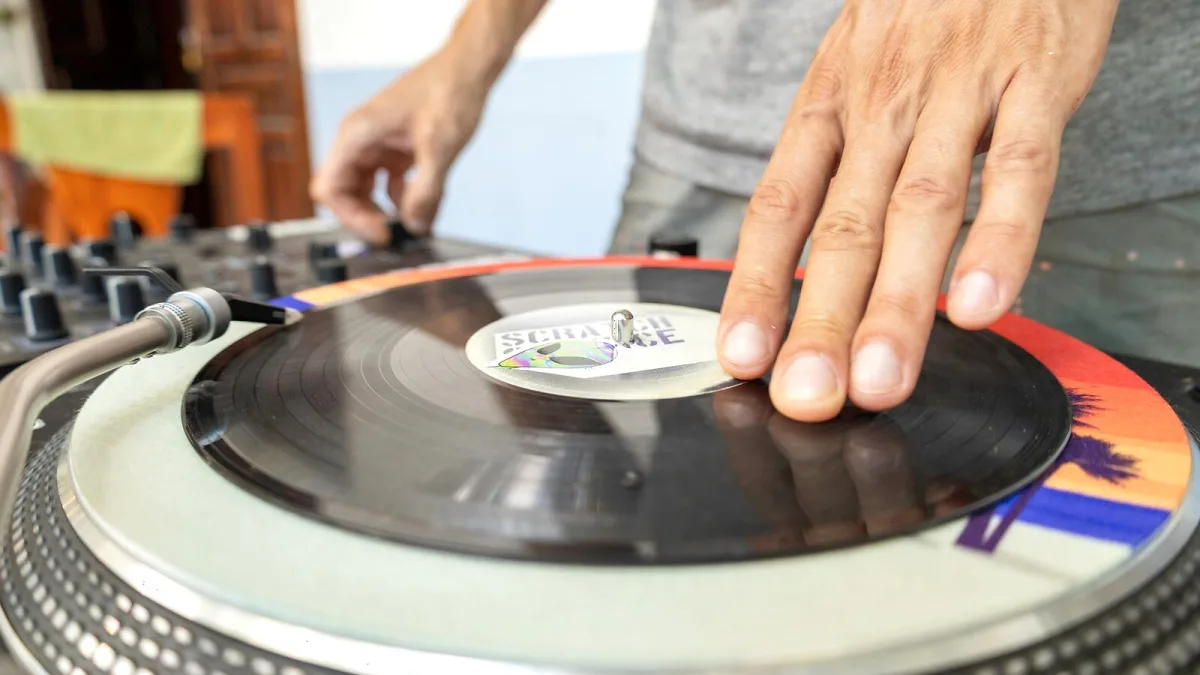
Right, deep breath — you don't need to become an audio obsessive overnight to enjoy your first vinyl player. I've watched enough nervous first-timers hover over "add to basket" to know the anxiety is almost always bigger than the actual task. This is the gentle version: what you genuinely need, the easiest path in, and a straightforward way to set the thing up without damaging a single record.
What you actually need to get going
A working vinyl setup has three jobs to cover, whether it's one box or four:
- Something to spin the record and read the groove — the deck itself.
- A phono preamp to boost and correct that tiny signal (often built in already).
- An amplifier and speakers, or a pair of powered speakers, to actually make a sound.
That's genuinely it. Everything else — Bluetooth, USB, fancy plinths — is optional polish on top of those three jobs.
All-in-one or separates: the easiest first choice
For a true beginner, an all-in-one player with built-in speakers removes one whole decision from the pile — no amp to source, no cables to match up. The trade-off is that many of these use a fixed stylus you can't replace, which is fine for a first taste but worth knowing going in. If you already own a decent speaker or small amp from another setup, a standalone deck with its own built-in preamp is barely any harder and gives you more room to grow later. Neither path is wrong — pick whichever removes the most stress for you right now.
Setting up your first vinyl player
Every box is slightly different, so always keep the manufacturer's instructions to hand, but the order below covers the essentials almost every beginner deck shares.
- Find a stable, level spot. Keep it away from speakers and anything that vibrates, like a wobbly shelf or a busy walkway.
- Fit the platter and belt (if it has one). Follow the manual for exactly how the belt loops around the motor pulley.
- Attach the cartridge and remove the stylus guard. This tiny plastic clip protects the stylus in transit — forgetting to remove it is the classic first-play mistake.
- Balance the tonearm and set the tracking force. Use the counterweight to float the arm level first, then dial in the exact force your manual specifies.
- Set the anti-skate, if your deck has it. Usually matched to the same number as the tracking force.
- Connect everything up correctly. Check left and right channels are the right way round, and confirm the phono preamp is switched on if it's built in — but not duplicated if you're also using an external one.
- Play something you don't mind risking first, and check the speed and both channels sound balanced before you reach for anything precious.
Looking after records and stylus from day one
A few habits now save you money and heartbreak later:
- Always hold records by the edge and the label, never the grooves.
- Give each record a gentle brush before playing — a carbon-fibre brush is inexpensive and does the job well.
- Store records standing upright, not stacked flat or leaning at an angle.
- Keep the stylus itself clean with a small stylus brush, always moving from back to front.
- Shut the dust cover between plays, away from radiators and direct sunlight.
You don't need to spend a fortune to start
It's tempting to assume a "proper" deck means a big outlay, but that's simply not true for a first one. A modest, honest entry-level player that covers the three basics — play the record, correct the signal, make a sound — will teach you far more about what you actually want next than any amount of reading spec sheets in advance. Save the bigger spending decisions for once you know whether you're a casual weekend listener or someone who's about to fall properly down the rabbit hole.
And be kind to yourself if the first setup takes longer than you hoped. Everyone who owns a vinyl player now once balanced a tonearm for the first time feeling faintly ridiculous about it. It gets easier within a couple of records, not a couple of months.
Common first-timer slip-ups (and how to dodge them)
Nobody gets everything right first time, and that's fine, but a few mistakes are worth heading off in advance:
- Forgetting the stylus guard and dropping the needle onto bare plastic.
- Plugging into the wrong amplifier input because the phono preamp situation wasn't checked first.
- Guessing the tracking force instead of checking the manual — too light causes skipping, too heavy wears records down faster.
- Assuming every record needs cleaning with water and a cloth — a proper carbon-fibre brush is usually all a healthy record needs.
When you're ready to level up
Once you're comfortable and thinking about your next vinyl player, our complete buyer's guide covers exactly what to check before spending more, and our round-up of the best vinyl players for the money breaks the market into sensible tiers. If you want to properly understand how the mechanics work underneath it all, our full explainer is the next stop.
The bottom line
Your first vinyl player doesn't need to be perfect, expensive, or fully understood on day one. Get the basics right — a stable surface, the stylus guard off, tracking force set properly — and everything else is just enjoying the records. Take it slowly, and it'll click far faster than you expect.



Comments