


Vinyl Player roundup
Vinyl Player: A Complete Buyer's Guide
The honest checklist for buying a vinyl player: what you already own, the decisions that actually matter, and the mistakes that catch out first-time buyers.
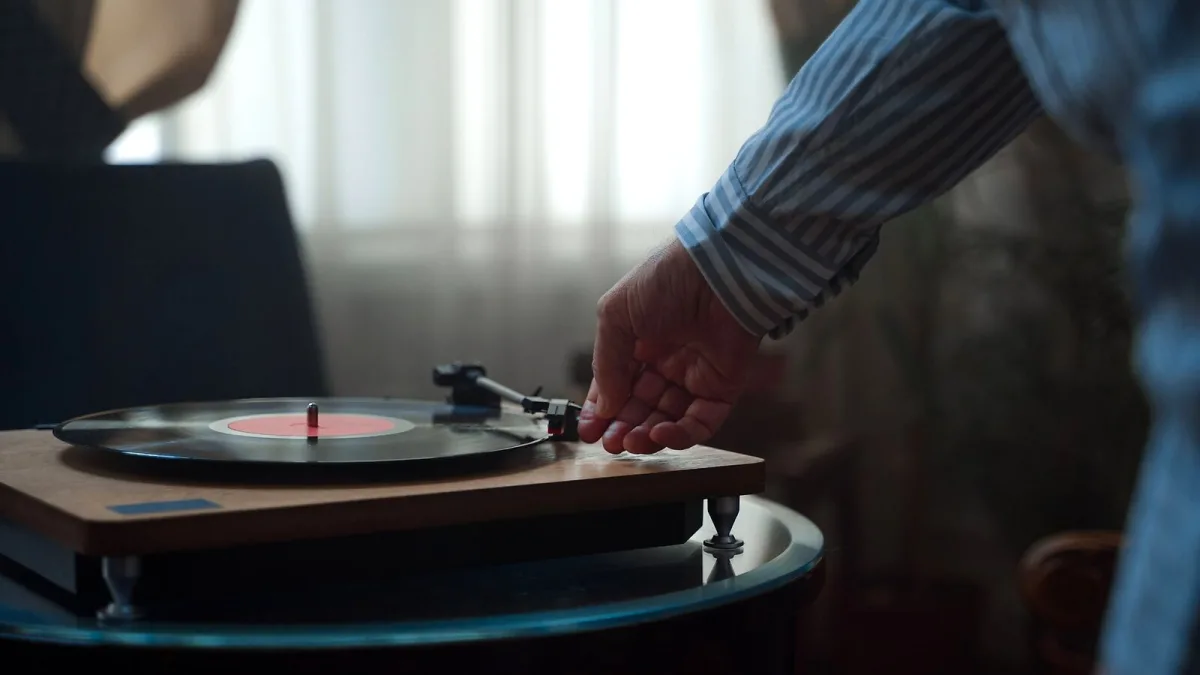
I've bought more turntables than I care to admit over the years, and I've learned the hard way that the specification sheet on a vinyl player tells you almost nothing until you know what to actually check. This isn't a history lesson — it's the checklist I'd hand a friend before they part with any money, covering the decisions that genuinely determine whether a deck serves you well for a decade or ends up in a cupboard within a year.
Start with what you already own
Before comparing a single model, take stock of your existing kit. If you already have an amplifier or a pair of powered speakers, check whether either has a built-in phono stage. If not, you'll need either a deck with its own switchable preamp, or a separate phono preamp box. Buying a deck without a preamp and having nowhere to plug it in is the single most common first-purchase mistake, and it's entirely avoidable with five minutes of checking beforehand.
Belt drive or direct drive?
This decision shapes how the deck feels in daily use more than almost anything else.
| If you mostly… | Lean towards | Because |
|---|---|---|
| Listen at home, rarely touch the platter | Belt drive | Quieter running; motor vibration is isolated from the platter |
| Mix, scratch or want instant start | Direct drive | Higher torque and near-instant speed stability |
| Restore or inherit vintage gear | Idler drive | Historically robust, though it may need servicing |
Don't let a salesperson tell you one drive type simply "sounds better" — overall build, motor control and isolation matter as much as the mechanism itself.
Manual, automatic or semi-automatic operation?
A manual deck asks you to cue and lift the tonearm yourself, which suits anyone who wants the simplest mechanism and doesn't mind the ritual. Automatic operation starts, plays and returns the arm without help, which reduces the risk of an accidental stylus drop — a real consideration if young hands or clumsy elbows share the room. Semi-automatic splits the difference: you start it, the mechanism returns the arm at the end.
What should your budget actually buy?
Rather than chasing a specific brand, it helps to know what each price band ought to deliver before you hand over any money.
- Entry level: a stable belt-drive mechanism, a replaceable stylus, and a switchable phono preamp so it works with whatever you already own. Don't expect much beyond that, and be suspicious of anything cheaper that skips the replaceable stylus.
- Mid-range: a standalone deck with an upgradeable cartridge, adjustable tracking force and anti-skate as standard, and a noticeably more rigid plinth that resists vibration from footsteps or nearby speakers.
- Higher-end: premium tonearms, better bearings, and often a manual-only design on the basis that fewer moving parts means less to colour the sound.
A vinyl player priced well above entry level that still skimps on a replaceable stylus is a warning sign, not a bargain — you're paying for a badge rather than the mechanics that actually matter.
Can the stylus and cartridge be replaced?
This is the question I'd put above almost everything else, and it's the one buyers skip most often. A stylus is a consumable part — it wears down with use and needs replacing eventually, full stop. Any deck worth owning should let you swap it, and ideally the whole cartridge, without needing to bin the tonearm along with it.
- Ask specifically whether the stylus is user-replaceable.
- Check whether the cartridge is a standard mount that accepts upgrades later.
- Be wary of suitcase-style, all-in-one players built around fixed, non-replaceable styli — fine for casual use, less fine for records you actually care about.
Bluetooth, USB or analogue-only?
Plenty of current models add Bluetooth for wireless speakers and USB for digitising your records onto a computer. Both are genuinely convenient additions, but neither should be a deciding factor over mechanical quality. Worth knowing: Bluetooth output involves converting the signal to digital before transmission, so it isn't purely analogue, whatever the marketing copy implies.
Build quality: what separates a serviceable deck from a toy
When you're weighing up a vinyl player in person or from photos, look for:
- A rigid, low-resonance plinth rather than thin, hollow-feeling plastic.
- Adjustable tracking force and anti-skate, so the tonearm can be set up correctly rather than guessed at.
- A proper counterweight and a tonearm that balances smoothly.
- A fitted dust cover to keep dust off the platter and stylus between plays.
- Availability of spare parts — belts, styli, cartridges — without hunting down a discontinued model.
Buying mistakes worth avoiding
- Connecting to the wrong amplifier input because the preamp situation wasn't checked first.
- Choosing purely on looks and discovering the stylus can't be replaced.
- Setting tracking force by guesswork instead of the manufacturer's specification.
- Placing the eventual deck on the same unstable surface as the speakers, inviting feedback and skipping.
The bottom line
Buying the right vinyl player comes down to a handful of honest questions: what you already own, whether the stylus and cartridge can be replaced, and whether the build quality matches the price being asked. Get those right and everything else — Bluetooth, colour, badge on the front — is genuinely just preference. If you'd like the fuller picture of how all these parts fit together first, our vinyl player explainer covers the mechanics in more depth, and our guide to the best vinyl players for the money breaks the market down by price tier. Buying your very first deck? Our beginner's guide keeps things simpler still.




Comments