


Mpc Sampler roundup
The Best Mpc Samplers for the Money
There's no single best MPC sampler, only the right tier for where you're at. Here's an honest breakdown of each, no digital-crate mysticism required.
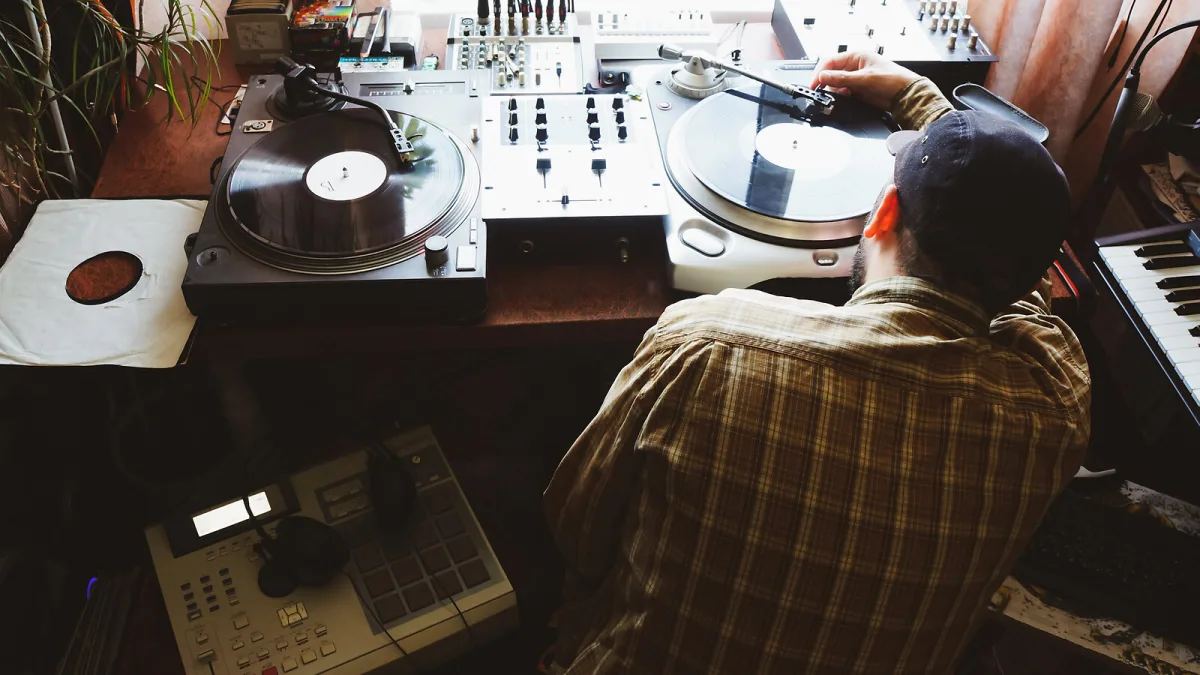
I spend most of my life digging through crates for old vinyl, so I've got a soft spot for anything built to chop up a break and make it new again — and that's exactly what an MPC sampler is for. There's no single "best one," honestly, but there is a right tier for wherever you're at, and that's what we're actually sorting out here.
The compact all-rounder: MPC One and One+
This is where most people should probably start with an MPC sampler, and there's no shame in that at all. A compact, pad-based standalone unit like this covers recording, chopping, pad assignment and sequencing without demanding a huge chunk of desk space or budget. It's the sort of machine you can genuinely learn the whole MPC workflow on before deciding whether you need anything bigger.
Best suited to: anyone starting out, or anyone who just wants a proper self-contained sampler without a mountain of extras.
The one you take with you: MPC Live II
Battery power changes how you actually use a piece of gear, and that's the whole appeal here. A portable, battery-friendly unit like this lets you sample on a train, at a friend's place, wherever — no hunting for a plug socket mid-idea. Broader connectivity than the compact tier means it still holds its own in a proper studio setup when you're back at your desk.
Best suited to: producers who work on the move as much as at a desk, or anyone who hates being tethered to a wall socket.
The studio centrepiece: MPC X and X SE
Once you know exactly what you want from a sampling workflow, a larger, studio-centred unit with extensive physical controls and generous I/O starts to make real sense. More knobs and faders within reach means less digging through touchscreen menus mid-flow, which matters a lot once you're moving fast on an idea.
Best suited to: an established home or project studio, or a producer who's outgrown a compact unit's menu diving.
The one for keyboard players: MPC Key 37 and Key 61
If you think in chords and melodies as much as beats, a keyboard-based MPC changes the whole feel of the workflow. Full keyboard production combined with the standard MPC pad grid means you're not fighting the instrument to play a bassline or a chord progression on top of your chopped-up sample.
Best suited to: producers who play keys as naturally as they programme drums, and don't want two separate machines for it.
The dedicated specialist: MPC Sample
This is the newest tier in the MPC sampler range, and it's a genuinely different pitch — a compact product built specifically around a sampling-first workflow rather than trying to be an all-purpose production machine. Because its projects are compatible with any MPC running software version 3.8 or later, it can slot into a wider existing setup rather than replacing it outright.
Best suited to: someone who wants a focused, dedicated sampling tool alongside gear they already own, rather than a full standalone replacement.
| Tier | Model family | What it's really for |
|---|---|---|
| Compact all-rounder | MPC One / One+ | Learning the whole workflow without overspending |
| Portable | MPC Live II | Sampling away from a desk, battery included |
| Studio flagship | MPC X / X SE | Deep physical control for fast, hands-on work |
| Keyboard hybrid | MPC Key 37 / Key 61 | Melody and beats from one instrument |
| Dedicated sampler | MPC Sample | A focused tool inside a wider existing rig |
What actually matters, whichever MPC sampler tier you land on
- The core workflow, not the extras — recording, chopping, pad assignment and sequencing should all feel solid before you worry about anything fancier.
- Storage headroom — sample libraries grow fast, so check internal storage and removable media support on any tier.
- Compatibility — if you're mixing older and newer MPC gear, confirm software versions line up, particularly with MPC Sample's 3.8-and-above requirement.
- Honest self-assessment — the flagship tier's extra I/O and controls are wasted if you're mainly chopping loops on the sofa.
Still deciding?
If you want the full rundown on how the actual sampling workflow works before choosing a tier, our complete guide to MPC samplers is the place to start, and our more checklist-driven buyer's guide is worth reading alongside this one. If you're brand new to sampling entirely, our beginner's guide walks you through your first sample step by step.
The bottom line
There's no universally "best" MPC sampler out there, just the tier that actually matches how and where you make music. Start honest about your workflow — desk-bound or on the move, minimal or hands-on, beats alone or beats and keys — and the right tier tends to pick itself.



Comments