


Mpc Sampler article
Common Mpc Sampler Mistakes to Avoid
Most sonic problems trace back to decisions made way earlier in the chain than people realise. Here are the MPC sampler mistakes that happen quietly, upstream.
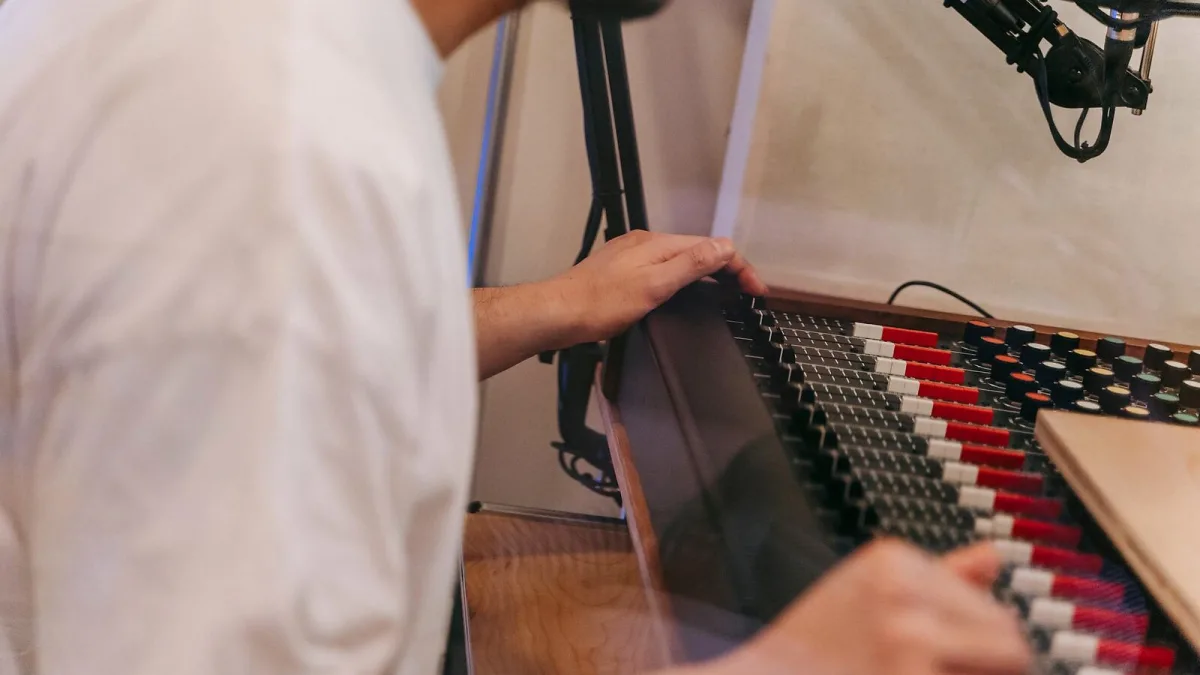
I've spent enough time around low end and sound systems to know that most sonic problems trace back to decisions made way earlier in the chain than people realise. It's the same story with an MPC sampler. Most MPC sampler mistakes happen at the recording or gain stage, quietly, long before anyone notices something's wrong.
Setting gain by fear instead of by the meter
New users tend to swing to one of two extremes: whispering the input gain out of fear of clipping, or pushing it hot and wondering why everything sounds harsh and undefined later. Neither is right. Play your loudest expected source signal first, then set the gain so the meter sits healthily without constantly hitting the ceiling. Compensating for a quiet, badly gained recording with heavy processing later almost never sounds as clean as getting it right at the source.
Chopping off the attack with threshold recording
Threshold recording, which starts capturing once an incoming signal crosses a set level, is genuinely useful for one-shot sounds. The mistake is setting that threshold too high and clipping off the very start of the transient — the sharp attack that gives a drum hit or a plucked note its character. Always test-record a short pass first and check the attack survived intact before committing to a full session.
Treating every layer with the same amount of processing
It's tempting to run every sample through the same heavy chain of pitch, time-stretch and effects once you find a setting you like. The result is usually a mix where nothing sits distinctly against anything else. Vary the treatment across layers deliberately — a relatively dry element alongside a heavily processed one gives the ear something to actually track, rather than one undifferentiated wall of sound.
Over-stretching a sample and not noticing
Time-stretching and warping can match a sampled loop to your project tempo without shifting its pitch, but push it too far and the algorithm starts introducing smearing, transient artifacts and a distinctly synthetic texture. Sometimes that's a deliberate creative choice. More often it's an accident nobody caught because they never A/B'd the stretched version against the original at a reasonable volume before building a whole arrangement on top of it.
Letting the MPC sampler library turn into chaos
Six months into using it seriously, most people have a folder of samples named things like "new one 3" and "kick maybe good." Untangling that later costs far more time than naming things properly would have taken up front. A simple structure — folders for drums, percussion, bass, keys, vocals, textures, loops and resamples, with descriptive filenames including source, tempo and key where relevant — pays for itself within weeks.
Ignoring compatibility between MPC generations
If you're moving projects between older and newer MPC hardware, or bringing in something built on the newer MPC Sample product, don't assume everything will simply open and behave identically. MPC Sample projects specifically require MPC software version 3.8 or later elsewhere in your setup. Check operating-system version, plug-in availability and file formats before you're mid-session and discover a project won't load properly.
Resampling without checking gain staging first
Resampling — printing an MPC sampler's own output back in as a new sample — is one of the most useful tricks in the whole workflow, but it inherits every gain problem already present in what you're printing. Check the peak level of what you're about to resample before you commit, or you'll simply be baking a mistake permanently into your new source material instead of fixing it.
A quick reference
| Mistake | Why it bites later |
|---|---|
| Gain set by guesswork | Quiet or harsh recordings are hard to fix cleanly afterward |
| Threshold set too high | Clips the attack that gives a sound its character |
| Every layer processed identically | Nothing sits distinctly in the mix |
| Untested extreme time-stretching | Introduces unnoticed smearing and artifacts |
| No sample naming system | Wastes hours hunting for sounds later |
| Assumed cross-version compatibility | Projects fail to open or behave as expected |
Sorting your workflow out properly
If you want the fuller picture of how the sampling workflow is meant to run, our complete guide to MPC samplers covers it end to end, and our beginner's guide walks through your very first sample properly. If you haven't bought yet, our buyer's guide and our guide by price tier are worth reading first.
The bottom line
Nearly every MPC sampler mistake here happens quietly, upstream of the part you're actually paying attention to — gain, threshold, naming, compatibility. Fix the workflow at that level and most of the problems people blame on their MPC sampler simply stop happening in the first place.



Comments