


DJ Set roundup
The Best Dj Sets for the Money
There's no single best DJ set — only the right tier for what you're actually trying to do. Here's how the options break down by budget and use case.
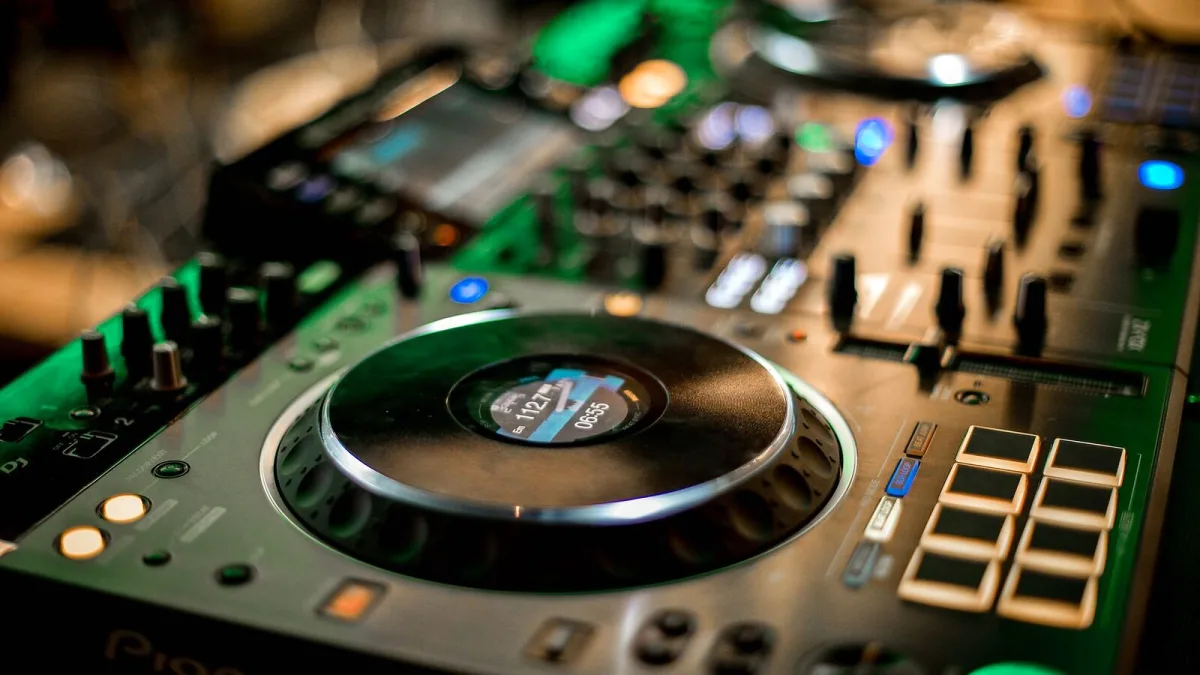
There's no single "best" DJ set — there's the right tier for what you're actually trying to do, and what you're trying to do changes everything about where your money should go. Here's how the options break down by budget and use case, in types rather than specific price tags that'll be out of date by next year.
Entry-Level: An All-In-One Controller
At the bottom of the market sits the all-in-one controller: decks, mixer and often a basic sound card built into a single unit. It's the best-value first DJ set for anyone still deciding whether DJing is a hobby they'll stick with. You'll get two channels, a screen or jog wheels, and just enough features to learn beatmatching, phrasing and cueing properly.
Mid-Range: More Headroom to Grow Into
Step up and you'll find four-channel controllers, better-quality jog wheels, dedicated effects sections and sturdier build quality. This tier suits someone whose DJ set has already earned its keep — they've confirmed they enjoy mixing and want room to bring in a third or fourth source — an extra deck, a sampler, or a second DJ for back-to-back sets — without hitting a ceiling straight away.
Club-Standard: Separate Decks and a Dedicated Mixer
This is what most working clubs actually run: standalone CDJ-style media players paired with a separate mixer. It costs more and takes up more space than a controller, but it's the layout you'll meet in almost every professional booth, so there's a real argument for practising on it even before you need to buy your own.
The Vinyl Route: Paying for Character
Turntables aren't the cheapest or most convenient option, and nobody should pretend otherwise. What you're paying for is tactile control and a distinctive selection culture that digital formats don't replicate. It's a deliberate trade of convenience for feel, not a value pick in the traditional sense.
Matching the Tier to the DJ
| Who you are | Best-value tier |
|---|---|
| Curious first-timer | Entry-level all-in-one controller |
| Committed bedroom DJ | Mid-range controller with more channels |
| Working or aspiring club DJ | Standalone decks and a separate mixer |
| Vinyl purist or collector | Turntables and a phono-friendly mixer |
Don't Forget Software Costs
The hardware price is rarely the whole story. Some DJ software is a one-off purchase, some is subscription-based, and free tiers often cap the number of decks or lock advanced features behind a paid upgrade. Factor that ongoing cost into whichever tier you're weighing up.
Where to Read Next
For the fundamentals behind all of this, see our explainer on what a DJ set actually is. Once you know which tier suits you, our full buyer's guide covers the exact pieces to check before you buy, and our setup guide gets you from box to first mix. New to the whole idea? Start with our beginner's guide, and dodge the usual pitfalls with our list of common mistakes to avoid.
The Bottom Line
Match the tier to what you're actually going to do, not to what looks most impressive in a shop window. An entry-level controller used properly beats an expensive setup that intimidates you into never practising.




Comments