


DJ Set article
Dj Set Explained: Features, Types and Tips
A DJ set is selection and performance combined. Here's what actually goes into building one, from beatmatching to phrasing to shaping the room's energy.
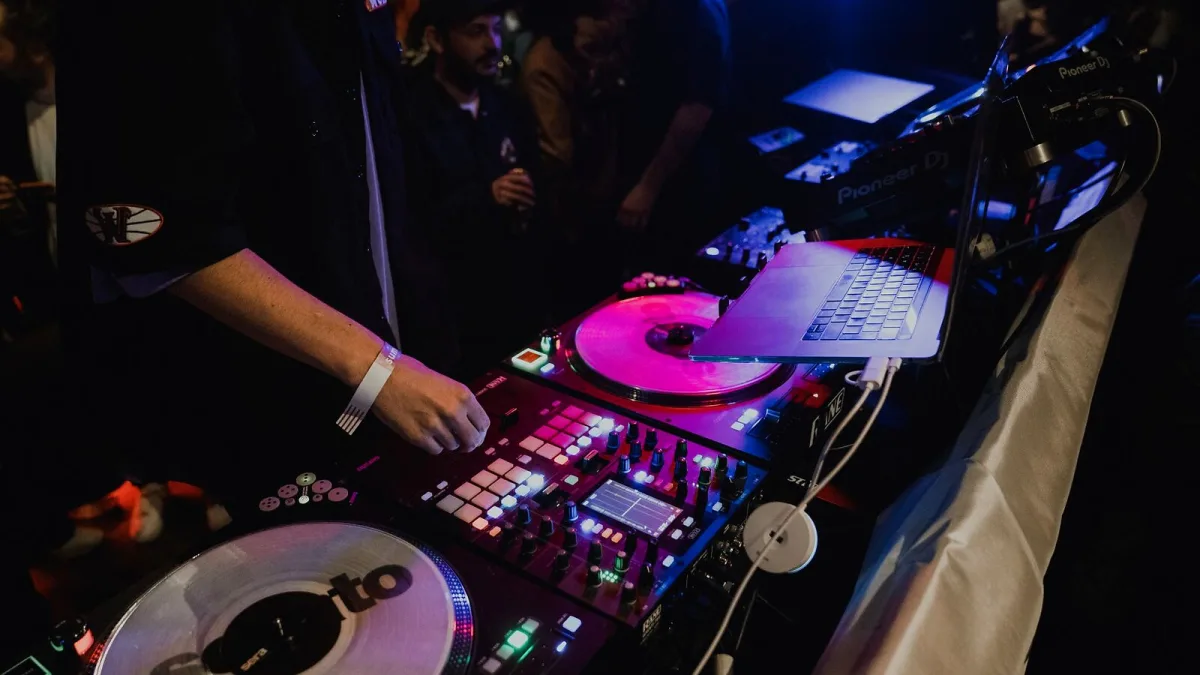
Ask ten DJs to define a DJ set and you'll get ten slightly different answers, which is half the fun of the topic. At its core, though, it's a curated run of pre-recorded tracks, mixed together into one continuous flow rather than played back to back. Here's what actually goes into building one, and the vocabulary you'll need to talk about it properly.
What a DJ Set Actually Is
It isn't just pressing play on a playlist. The DJ is choosing what plays next, deciding when to bring it in, blending it with what's already playing, and reading how the room responds — all in real time. That combination of selection and performance is what separates a set from a static tracklist.
The Live Set Distinction
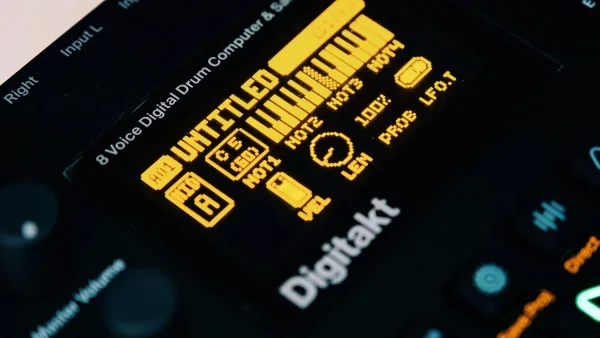
The terms get used loosely, but there's a useful distinction. A DJ set centres on selecting and mixing existing recordings. A live set usually means performing or triggering music with instruments, samplers, drum machines or software in real time. Plenty of performances sit somewhere in between — a DJ who loops, samples and layers heavily, or a live musician working from prepared clips and stems.
The Gear Behind the Performance
There's no single correct way to build one. The format shapes the workflow more than most people expect.
| Format | Strengths | Trade-offs |
|---|---|---|
| Vinyl | Tactile control, distinctive selection culture | Transport, wear, limited library |
| CDJs / USB | Standard club workflow, portable media | Needs preparation and format compatibility |
| Digital controller | Affordable, flexible, all-in-one | Relies on a laptop or the controller's own software |
| DVS (timecode) | Vinyl-style feel with digital library access | Extra interfaces and setup complexity |
The Core Skills That Make a Set Work
Beatmatching
Aligning the tempo and beat of two tracks, either manually via the platter or jog wheel, or assisted by software. Even with sync engaged, a good DJ keeps monitoring the result — unusual arrangements and live drumming can confuse automatic beatmatching.
Phrasing
Mixing at the right structural point — the start of an intro, the end of a breakdown, an 8- or 16-bar boundary — rather than halfway through a section. Phrase-aware mixing is the difference between a transition sounding intentional and sounding accidental.
EQ and Gain Staging
EQ lets a DJ trim the incoming track's bass before the low end is exchanged, avoiding two basslines clashing. Gain staging keeps every channel at a healthy level so nothing clips, even when the mix feels loud. Neither is glamorous, but both separate a clean set from a messy one.
How a Good Set Is Shaped
Most solid sets follow some version of an energy arc: an opening that sets the mood, a gradual build, one or more peaks, and deliberate resets in between so those peaks don't blur together. Tempo alone doesn't decide energy — a slower track with a big low end and a strong vocal hook can feel more intense than a faster, sparser one.
Different Contexts, Different Sets
A club set has room to develop a long narrative across two or more decks. A festival set compresses that into a tighter window with clearer peaks. A mobile or wedding set trades narrative freedom for responsiveness to requests. None of these is more "correct" than another — they're just different jobs.
Where to Take This Next
If you're putting together the actual gear for your own rig, our buyer's guide to the gear involved covers the equipment side in detail, and our piece on the best options by budget breaks it down by tier. Ready to actually plug everything in? Our step-by-step setup guide walks through it. New to all this? Start with our beginner's guide, and once you've got the basics, our rundown of common mistakes to avoid is worth a read.
The Bottom Line
A DJ set is selection and performance combined — picking the right tracks, blending them cleanly, and shaping the room's energy as you go. The gear and the format are just the means to that end.



Comments