


DJ Set article
Dj Set for Beginners: A Complete Guide
Building your first DJ set doesn't need to sound perfect. Here's the simple version of getting started, without the overwhelm.
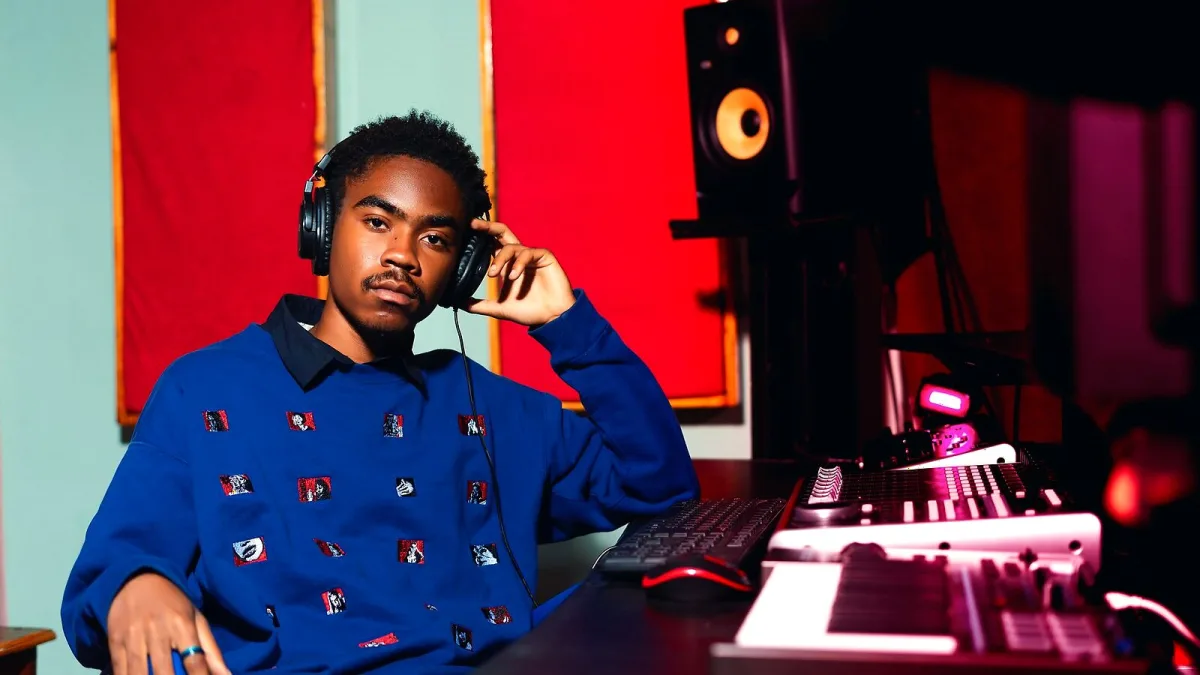
Right, let's take the pressure off. Building your first DJ set doesn't need to sound perfect, look professional, or impress anyone but you. It needs to teach you the basics and be genuinely fun to practise. Here's the simple, no-jargon version of getting started.
Forget Perfect, Aim for Fun
Nobody's first attempt sounds good, and that's completely normal. The goal at the start isn't a flawless transition — it's getting comfortable enough with the gear that you stop thinking about the controls and start thinking about the music. That comfort only comes from time spent messing about, not from watching one more tutorial.
The Bare Minimum to Get Going
- A basic two-channel controller (you really don't need more to start)
- A pair of closed-back headphones
- Free or trial DJ software — most major options offer one
- A small library of tracks you actually know well
That's genuinely enough. Extra channels, effects units and fancy jog wheels are things to grow into later, not things you're missing out on now.
Your First Half-Hour
Start with just one track playing and get used to the layout — where the cue button is, how the jog wheel responds, how the EQ knobs feel. Then bring in a second track through your headphones only, without worrying about matching it perfectly. Once that feels natural, try nudging the tempo of the second track to line up with the first. Don't rush to the mixing part; the getting-comfortable part matters more early on.
The One Skill Worth Practising First
Learn to beatmatch by ear before you lean on sync. It's tempting to let the software do it automatically, and there's nothing wrong with using sync once you understand what it's doing — but training your ear to hear when two tracks are out of time is the skill that makes everything else, from phrasing to reading a room, click into place faster.
Questions Most Beginners Have
Do I need to memorise music theory first? No — you'll pick up phrasing and structure naturally by listening carefully to tracks you already love. Is it normal to feel clumsy for weeks? Completely. Coordinating two hands, your ears and a room's energy takes real repetition. Should I record my early practice sessions? It's genuinely useful — you'll hear mistakes on playback that you didn't notice live.
Growing Your Setup Over Time
Once the basics feel automatic, upgrading makes far more sense — you'll actually know what you want more of, whether that's extra channels, better build quality, or a move toward the club-standard layout of separate decks and a mixer. Buying ahead of that point just means paying for features you can't yet use.
Where to Go From Here
Curious how it all fits together conceptually? Our explainer on what a DJ set is covers that. Ready to plug your gear in properly? Our step-by-step setup guide walks through it. When you're ready to spend, see our buyer's guide and best options by budget. And once you've got a few sessions under your belt, our list of common mistakes to avoid will save you some bad habits.
The Bottom Line
Keep your first DJ set simple, practise little and often, and learn to trust your ears before you lean on the software. Everything else follows from that.



Comments