


DJ Decks article
Common Dj Decks Mistakes to Avoid
Rough sets rarely come down to bad taste — they come down to habits. Here are the ordinary mistakes that keep turning up on DJ decks, and how to fix each one.

Most rough sets don't come down to bad taste in music — they come down to a handful of habits that are easy to pick up early and annoying to unlearn later. After enough nights watching people fight their own gear, the same errors on DJ decks keep turning up. Here are the ones worth sorting out now, before they become muscle memory.
Skipping Gain Staging
This is the one that causes the most damage for the least reason. If you bring a new track in without checking its level against the one already playing, you get an ugly jump in volume the second the crossfader moves — or worse, clipping that distorts the whole mix. Set each channel's gain so the meter reads roughly the same before you touch the fader, every single time, not just when you remember.
Trusting Sync Without Listening
Sync is a genuinely useful feature on modern DJ decks, but it is only as good as the beat-grid analysis behind it. Hit sync and walk away mentally, and you'll eventually get caught out by a track with an irregular intro, a tempo change, or live instrumentation that confuses the grid. Use sync, but keep listening — if something sounds slightly off, trust your ears over the button.
Ignoring the Headphone Cue
New DJs often either skip cueing altogether or cue so quietly they can't actually judge the track properly. The cue exists so you can check the next track's timing, energy and volume before the room hears it. Get comfortable splitting your attention between one ear on the headphones and one on the floor — it feels awkward for exactly as long as you avoid practising it.
Turning Up With an Unprepared USB
Arriving at a booth with an unsorted folder of random downloads is asking for trouble. Analysed tracks, sensible folders, backup copies and a couple of USB drives rather than one precious stick will save you from the exact moment everything goes wrong on the night. Preparation is boring and it is also the single biggest difference between a smooth set and a stressful one.
Bringing the Wrong Format to the Room
Turning up with a controller when the booth only has club-standard media players — or the reverse — is a surprisingly common and entirely avoidable mistake. If you're booked somewhere specific, ask what's actually installed in the booth beforehand, and practise on the same format if you can. It's far better to find out at home than in front of a room.
Forcing Effects Over Fundamentals
Big filter sweeps and drop-outs are fun, but they don't fix a mix that's out of time or has clashing bass. Timing, phrasing and EQ work are the fundamentals; effects are seasoning. Many dance tracks are built in regular musical blocks, and transitions land far more cleanly when they start on a phrase boundary rather than wherever the effect happened to peak.
Neglecting the Physical Kit
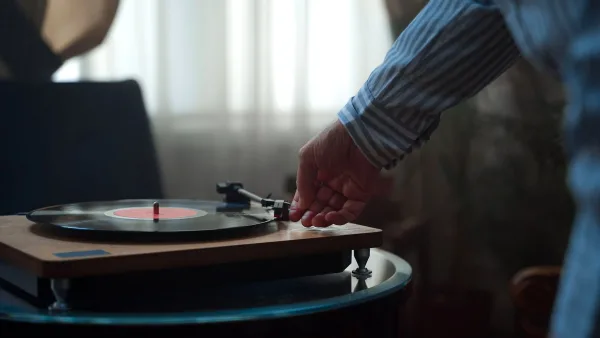
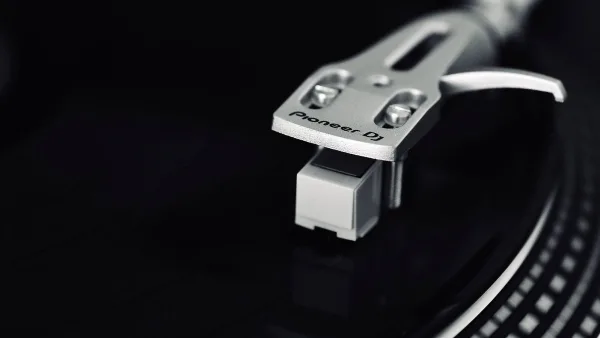
Turntables and controllers alike suffer from being packed away dirty and cabled carelessly. Clean styli and cartridges regularly if you're on vinyl, coil cables properly instead of yanking them out, and keep an eye on jog wheels for dust or knocks. A little maintenance between sessions is far cheaper than a repair or a replacement part.
Not Backing Up at All
A dead USB drive or a corrupted library file has ended more sets than any actual musical mistake. Keep a duplicate of your prepared music and, where the format allows, a backup route to play from if your primary drive or laptop fails halfway through the night.
Mixing for Yourself Instead of the Room
It's easy, especially early on, to chase the transition you're proud of rather than the one the room actually wants next. Watch the floor as much as you watch your decks — a clever double-drop means nothing if it empties the space. Reading energy and adjusting on the fly is a skill in itself, separate from the technical side of mixing.
Cables, Power and Set-Up Chaos
Turning up without spare cables, the right adapter, or a plan for where the power leads actually run is a self-inflicted headache. Coil and label your leads, carry one spare of anything that can fail (headphone cable, USB drive, RCA lead), and give yourself ten minutes to set DJ decks up properly rather than rushing it as the previous act clears the stage.
Quick Reference: Mistake and Fix
| Mistake | Simple fix |
|---|---|
| Skipping gain staging | Match channel levels before every transition |
| Blind trust in sync | Keep listening, don't just watch the light |
| Ignoring the cue | Practise splitting attention between headphones and room |
| Unprepared USB | Analyse tracks and carry a backup drive |
| No cable spares | Carry one spare of anything that can fail |
The Bottom Line
None of these mistakes are exotic — they're the ordinary ones almost everyone makes at some point on DJ decks. Catch them early with a bit of deliberate practice and preparation, and you'll spend far less time firefighting and far more time actually enjoying the mix. If you're still finding your feet, our beginner's guide is the better starting point, and our full explainer on how DJ decks work fills in anything this list assumed you already knew. Buying your first or next set of gear? Our buyer's guide covers the specs worth checking first.



Comments