


Closed Back Headphones roundup
Closed Back Headphones: A Complete Buyer's Guide
The practical guide to buying sealed studio headphones — what impedance means, which models lead in current reviews, and how to match them to your setup.
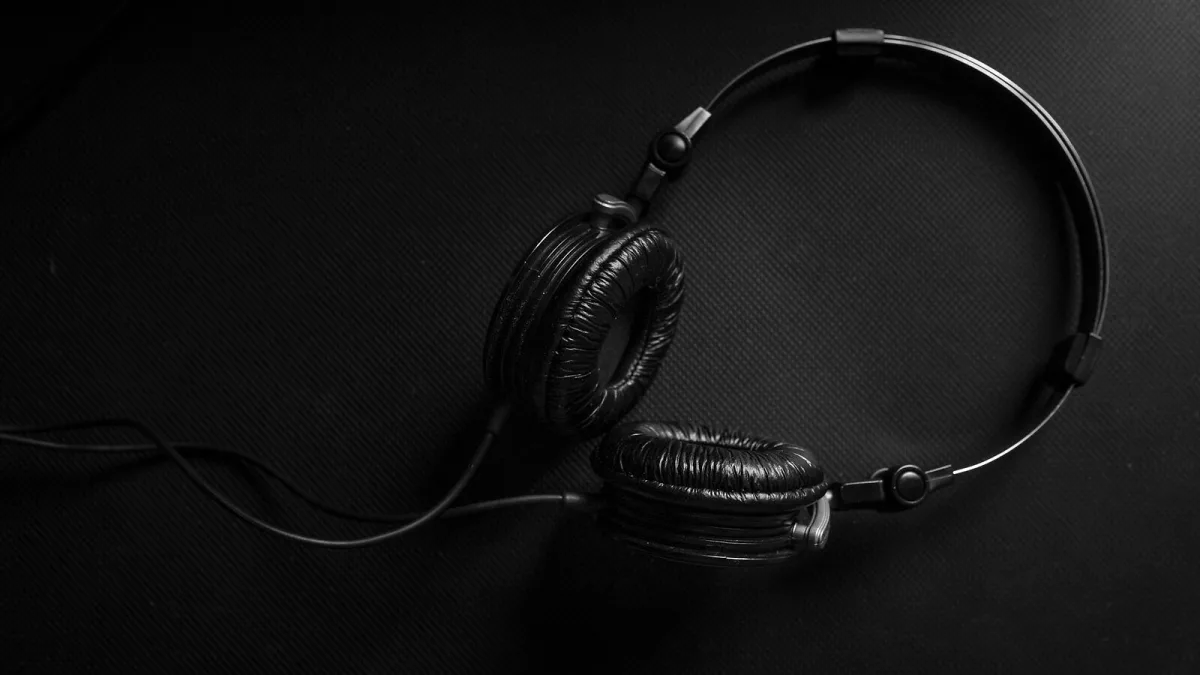
Buying closed-back headphones involves a set of practical decisions that most guides rush past. Here is a straightforward breakdown of what actually matters.
Define the Primary Use Case
The most important question before buying is what you will use them for. Tracking vocals requires low leakage above all else; the tonal balance matters less than the isolation. Monitoring and mixing in a noisy environment adds tonal accuracy as a concern. Mobile production or commuting listening adds portability and comfort. DJing requires a sturdy build and one-ear monitoring comfort. These use cases overlap but are not identical, and closed-back headphones optimised for one use case may compromise another.
Impedance and Source Compatibility
Check the impedance of any model you consider alongside the output characteristics of your audio interface or headphone amplifier. Most audio interfaces provide adequate output for closed-back headphones up to about 150 ohms. The Beyerdynamic DT 770 range is available in 32, 80 and 250-ohm variants; only the 32-ohm version is generally well-suited to phone outputs and low-powered sources. Higher-impedance models sound underpowered and thin from insufficient sources.
Isolation Versus Tonal Character
More isolation is not always better. Heavy sealing and thick pads can over-reinforce bass and colour the low-mid response. For tracking, that is acceptable because accuracy is less critical than comfort and isolation. For monitoring and mixing, you need to know how the response deviates from neutral so you can correct for it. Read objective measurements from sites like RTINGS or use your own ears against a pair of closed-back headphones you already know.
Key Models and Their Strengths
- Sony MDR-7506: Long-running broadcast and studio standard. Strong treble detail, foldable, widely understood tonal character.
- Beyerdynamic DT 770 Pro X: Current tracking and monitoring recommendation from multiple UK publications. 16dB measured ambient-noise isolation, replaceable parts.
- AKG K371: Frequently recommended for monitoring at its price point. Foldable, relatively balanced tonal character.
- Sennheiser HD 480 PRO: RTINGS’ September 2026 leading recommendation for studio closed-back monitoring.
- Shure SRH840A: Tracking and monitoring option with good noise rejection, positioned for budget-conscious buyers.
- Focal Azurys: High-end monitoring option for buyers at a professional price point.
Comfort and Build
Long session comfort depends on weight, pad material, clamping force and heat retention. Velour pads generally run cooler than leather or synthetic leather. Clamping force varies by design and head size. For sessions of four hours or more, lighter designs and breathable pads are significantly more practical than heavier alternatives. Build quality directly affects longevity: replaceable pads and cables extend service life considerably.
Budget Guidance
For entry-level studio tracking and home production, the £80–£150 range covers the Sony MDR-7506, AKG K371 and Shure SRH840A. The DT 770 Pro X and Sennheiser HD 480 PRO typically fall in the £150–£250 range. Professional monitoring options from Focal and equivalents are £300 and above. At every price point, read current independent reviews before buying: new models arrive regularly and recommendations change.
Where to Read More
Our overview guide covers the fundamentals of the format. Our beginner’s guide covers setup and care. And our mistakes guide covers the buying and usage errors most often made.




Comments