


Closed Back Headphones article
Closed Back Headphones for Beginners: A Complete Guide
A practical introduction to sealed studio headphones — what the specifications mean, which beginner-friendly models are worth knowing, and how to get started.
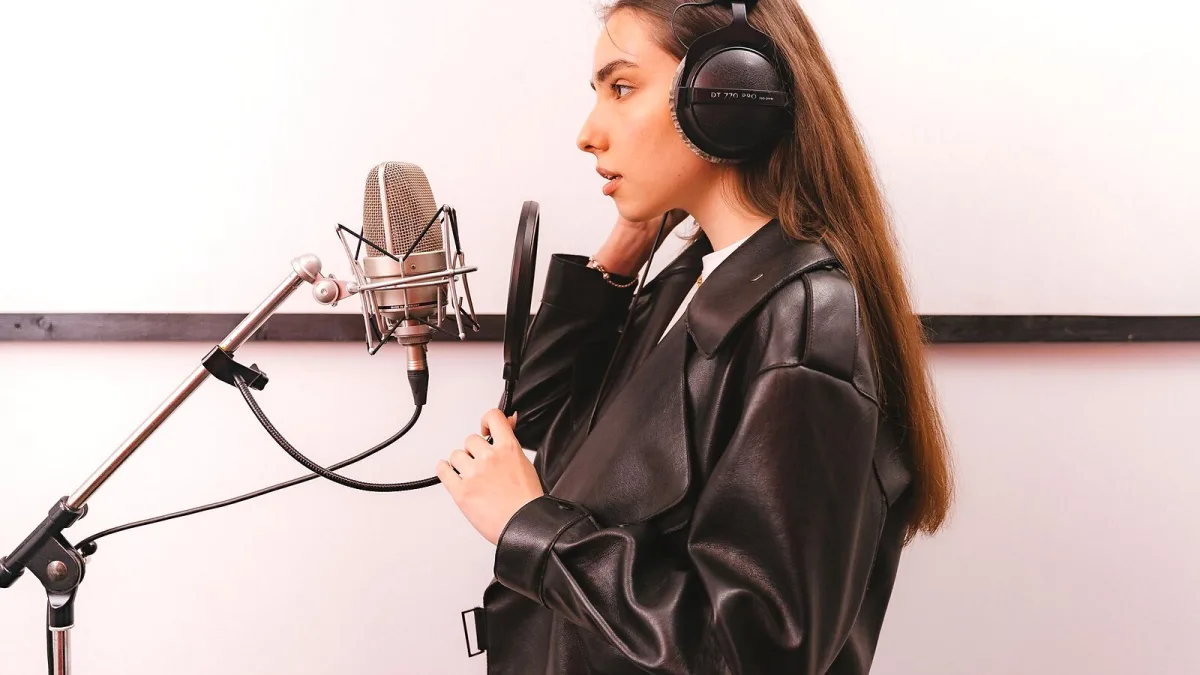
If you have never owned a pair of closed-back headphones before, the choice can feel daunting. There are dozens of models across a wide price range, several specifications that matter in different contexts, and no shortage of conflicting opinions online. This guide covers what you actually need to know to get started.
What Sealed Headphones Are and Why They Exist
A closed-back design seals the driver inside a cup with no openings to the outside air. The reason is isolation: sound from the outside world is blocked, and sound from your music does not leak into the room. For recording vocals, tracking instruments, or listening in noisy environments, that sealed quality is essential. Open-back designs sound different and are optimised for different situations.
The trade-off is that the sealed cup changes how bass and space are perceived. Closed-back headphones often sound slightly bass-heavy and less open compared with open-back alternatives in the same price range. That is not a flaw — it is a consequence of the design’s purpose.
What Specifications Matter for Beginners
Three specifications are worth understanding before you buy:
- Impedance: Measured in ohms. Headphones rated under 80 ohms work reliably with phones, laptops and most audio interfaces. Higher impedance models (150–250 ohms) need more voltage to reach useful listening levels and often require a headphone amplifier.
- Sensitivity: Measured in dB/mW or dB/V. Higher sensitivity means louder output at the same input level. Above 95dB/mW is generally easy to drive; below 90dB/mW requires more output from your source.
- Driver size: Larger drivers (40–50mm) are common in full-size designs and generally reproduce bass more easily. This is a rough guide, not a rule — driver quality matters more than driver size.
How to Get Started
The steps below give a sensible sequence for new listeners picking up their first pair of closed-back headphones. The order matters: skipping straight to long sessions before you have assessed the basics can lead to fatigue or missed problems.
- Confirm impedance compatibility with your source device. Check the headphone’s rated impedance and your source device’s headphone output power. Anything under 80 ohms works with most consumer sources. Higher-impedance models need an interface or dedicated amplifier.
- Start with a reference track you know well. Your first listening session should use music you already know intimately on speakers or earphones. This gives you a baseline to compare against rather than hearing everything fresh.
- Check isolation quality before committing to a recording session. Put the headphones on in a quiet room and listen for how much ambient noise remains. For tracking vocals, you want minimal bleed. If bleed is audible, the model may not suit close-microphone recording.
- Keep initial sessions short. New headphones, especially those with a different tonal character from what you are used to, can cause listening fatigue. Start with 20–30 minute sessions before extending to longer periods.
- Adjust the headband and ear cup positioning. The fit affects both comfort and bass response. The cups need to seal around the ear fully. If the fit feels wrong, adjust the headband height before assuming the headphones are faulty.
- Run a frequency sweep or test tone to check for driver issues. A simple 20Hz–20kHz sine sweep (freely available online) confirms both drivers are working and helps you identify any response anomalies worth knowing about before you rely on the headphones for work.
Beginner-Friendly Models Worth Knowing
At entry level, the Sony MDR-7506 remains among the most widely recommended closed-back headphones for recording and monitoring work. Its 63-ohm impedance is easy to drive, its sound is well-documented, and second-hand examples are common. The AKG K371 is regularly recommended in current reviews for its relatively flat response at a reasonable price. The Sennheiser HD 280 Pro is another long-standing option designed specifically for studio tracking use.
At mid-price, the Beyerdynamic DT 770 Pro X (released in 2023) updated the long-standing DT 770 Pro with a single-sided cable and a revised driver. It remains a common recommendation in UK studio and home-listening contexts.
Common Misunderstandings
One persistent misunderstanding is that closed-back headphones are worse than open-back designs. They are not — they are optimised for different purposes. Another is that expensive closed-back headphones always sound better than affordable ones. At higher prices, improvements become incremental, and a well-regarded mid-price model often outperforms an expensive option that was designed primarily for consumer listening rather than studio accuracy.
Where to Go Next
Once you have a pair in hand, our complete guide to sealed studio headphones covers the wider context in detail. Our buyer’s guide goes into more depth on models and specifications. And our mistakes guide covers the errors worth avoiding once you are up and running.




Comments