


Closed Back Headphones article
Common Closed Back Headphones Mistakes to Avoid
The most common errors when buying and using sealed studio headphones — from impedance mismatch to relying on subjective reviews alone — explained with practical fixes.

Most errors made with closed-back headphones come down to mismatched expectations rather than bad equipment. Understanding what these tools are designed to do — and what they are not — prevents the most common frustrations. This guide covers the mistakes worth knowing about before they become problems.
Ignoring Impedance Mismatch
One of the most common errors when first buying closed-back headphones is choosing a high-impedance model and plugging it into a device that cannot drive it adequately. A 250-ohm design connected to a phone’s headphone output will produce weak, thin sound that seems to confirm the headphones are poor — when the actual problem is insufficient output voltage. Check impedance before buying: 32–80 ohms is safe for most consumer sources, and anything above 100 ohms usually warrants a dedicated headphone amplifier or audio interface.
Expecting Open-Back Spatial Response
The sealed cup affects how sound is perceived spatially. Bass tends to sound more prominent and the stereo image can feel compressed compared with open-back designs. This is a design trade-off, not a defect. Listeners who audition closed-back headphones expecting the same open, airy presentation as a quality open-back design will be disappointed. The right comparison is between sealed designs, not across different cup types.
Using Them as a Sole Mixing Reference
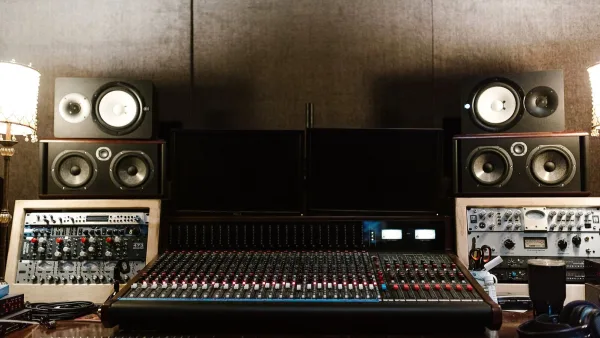
Relying on closed-back headphones exclusively for mixing without any other reference is a genuine risk. The altered bass response of the sealed cup and the in-head localisation of headphone listening both affect judgement. Most experienced producers cross-reference mixes on studio monitors, consumer earphones and a car stereo before finalising. Headphones are a valuable reference but not a complete one.
Overlooking Comfort for Long Sessions
Comfort becomes significant the moment you are wearing a pair for three or four hours continuously. The clamping force, ear pad material, headband padding and weight all matter for extended sessions. Reviews that assess a headphone after 20 minutes often miss comfort issues that only appear after two hours. If possible, try a model on before buying or purchase from a retailer with a returns policy. Leather pads seal well but retain heat; velour breathes better but may reduce isolation slightly.
Prioritising Reviews Over Measurements
Subjective reviews are useful but vary considerably in methodology and reference. Published frequency response measurements from RTINGS or similar sites offer a more consistent picture of how a model actually performs. A well-written review can tell you about long-term comfort, build quality and workflow context that a measurement chart cannot — but the two together are more useful than either alone. Buying solely on the strength of one enthusiastic review, without independent verification, is the most avoidable purchasing error.
Neglecting Pad Replacement and Maintenance
Ear pads on closed-back headphones degrade with use. Leather and synthetic leather pads can crack and flake; velour pads compress over time and lose their seal. Both changes affect the acoustic character of the headphone, usually degrading bass response and isolation. Replacement pads are available for most popular designs and are worth factoring into the long-term cost. A well-maintained headphone with fresh pads will sound different — often better — than the same model with pads that have been used daily for two years.
Overlooking the Cable Situation
A failed cable is a common end-of-life failure mode. On designs with a fixed, non-replaceable cable, a cable fault often means the end of the headphone’s useful life unless you are willing to repair or modify it. On designs with a standard connector — 3.5mm or 2.5mm at the headphone end — replacement is straightforward and inexpensive. This matters more than it sounds for professional use: cables fail under the kind of regular coiling, packing and unpacking that studio work involves.
Where to Go Next
For a thorough introduction, our beginner’s guide covers the fundamentals clearly. Our buyer’s guide gives specific model recommendations. And our complete overview covers the broader context from design principles to current best options.





Comments